

A story many years in the making, “Pike River” is about the real-world disaster that left a smalltown devastated but determined. In 2010, 29 contractors went to work, saying “see you later” to their loved ones, but after descending into the Pike River Mine in New Zealand, the mine collapsed. Never having made it home, families and friends were left questioning, grieving, and rightfully angry. Helmed by magnificent performances from Melanie Lynskey and Robyn Malcolm, this fictional retelling is a form of collective closure years in the making.
The movie opens with Anna Osborne (Lynskey) caring for her husband, expressing her worries about his line of work and their two teenage kids, while she begins to battle cancer. The string-heavy score, composed by Karl Sölve Steve, gives us a sense that something upsetting is looming. On the other side of town, Sonya Rockhouse (Malcolm) lives with her partner and near her family, as she is the matriarch to her sons and grandchildren. While Anna is out with some friends at the local pub, she receives a phone call, and a dissociative silence settles in; the panic begins.
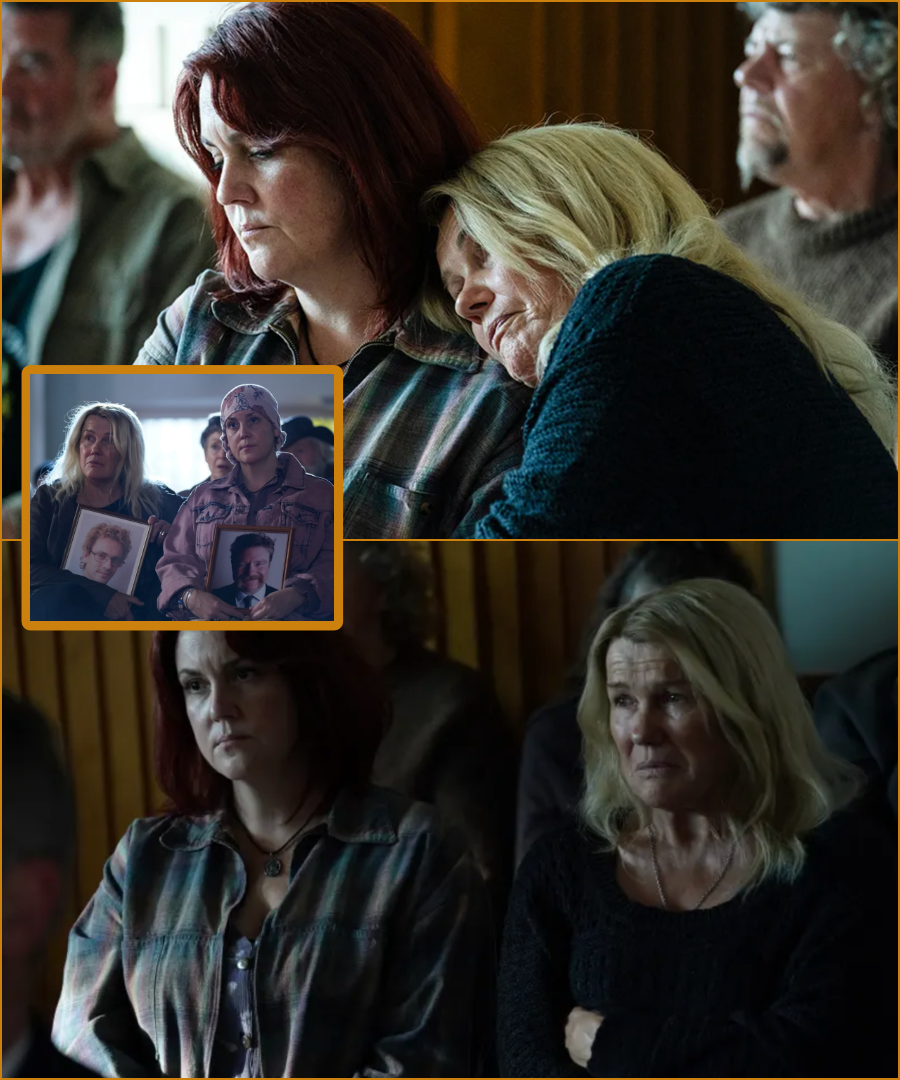
“Pike River,” tastefully, does not reenact the group of guys getting trapped. On the surface, it seems as if little voice is given to those men who lost their lives; however, the film redirects their courage and power to the community. For years to come, Anna, Sonya, and other community members band together at town halls and the courthouse. The dangerous reality of the mining industry was made all too clear, and it was time to do something about it. This community becomes a character, acting as a united collective. At the start of one of the meetings, a representative from the company attempts to convey empathy by asking, “Why does it take a tragedy to make us look properly at whether things are done right?” It’s a question posed by the wrong person in the wrong direction that will symbolize the struggle and deceit to come.
Although “Pike River” is rooted in a tragic event, it blossoms around the authentic friendship between Anna and Sonya, showing that grief does not have to be lonely. Because of the simple script, much is expressed through facial expressions and actions. When struck by loss, showing up is often better than anything said. Notably yet subtly, the story gives us a glimpse of each woman’s different coping mechanisms; at one point, Sonya cuts every piece of food in half and discards it. Over the next decade, vulnerabilities come to the forefront. “Pike River” excellently explores the nonlinear experience of grief and how, as a result, relationships can be rocky, going through hills and valleys. It is in their shared desire to act and make a difference that Sonya and Anna bond most. Along the way, some unexpected alliances act as catalysts that secure their success in being reunited with the remains of their lost loves.
Like legislative change, the pacing is a bit slow, except at the very end, where, for some unclear reason, it becomes a bit like whiplash. The score mirrors this acceleration; strings are accompanied by keys, adding momentum and hope for justice. “Don’t Dream It’s Over” by Crowded House is the anthem of the montage that skims through the years of doing the hidden work to overturn the commission’s decision to permanently seal the Pike River Mine.
Director and producer Robert Sarkies uses interesting, sometimes surreal, scenic transitions. So crisp and entrancing, these shots are artful, aesthetically pleasing, and even contemplative, but the color grading blankets the film with a drab tone. Yet the magnetic chemistry between Lynskey and Malcom, complemented by the lived-in, authentic costuming and production design bolster the movie overall.
By the end, when we can almost rejoice, there is still a lingering, unsettled feeling as we see archival footage of the real-life Anna and Sonya walking into the mine. If only it did not take years and the unpaid labor of two grieving women. To this day, the legal proceedings continue, and true justice awaits.
News

SH0CKING OCEAN MYSTERY — FBI Drops Urgent Update on Amy Bradley, Missing 28 Years After Vanishing From Royal Caribbean Cruise
THE FBI is looking for new leads in the shocking disappearance of Amy Lynn Bradley, who vanished 28 years ago…

BREAKING TODAY: Major Update on King Charles’s US State Visit — But One Detail Sparks Questions…
King Charles and Queen Camilla’s state visit to the US was confirmed today. King Charles is visiting the US next…

🔥 EXPL0SIVE — Drakeo’s K!llers Finally Exposed: Backstage Scuffle at LA Festival Bl@med for Fat@l St@b D3ath!
The hip-hop community is still reeling from the shocking death of Drakeo the Ruler, the rising Los Angeles rapper whose…
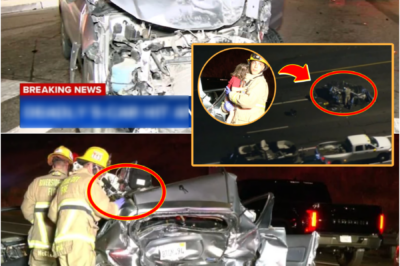
CCTV Captures Horror — Multi-Vehicle Crash on California Freeway Cl@ims Lif3 of 3-Month-Old Baby
The tragic incident occurred in Riverside on Sunday, March 29 A multi-vehichle crash took place in Riverside, Calif., on March…
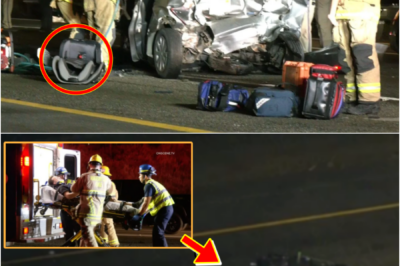
We Tried Everything… But Couldn’t Get It Open — Bystander Describes Agonizing Struggle to Rescue Family After California Freeway Crash
The tragic incident occurred in Riverside on Sunday, March 29 A multi-vehichle crash took place in Riverside, Calif., on March…

BREAKING NEWS — Highway Crash Leaves 3-Month-Old D3ad and 5 Others Hospitalized, Authorities Reveal New Details…
The tragic incident occurred in Riverside on Sunday, March 29 A multi-vehichle crash took place in Riverside, Calif., on March…
End of content
No more pages to load