THE ENTIRE PLOT REVEALED… — Prosecutors BREAK DOWN Alleged Murd-er Scheme In Julio Foolio Trial During Closing Arguments
In a dramatic closing phase of the murder trial involving rapper Charles Jones, known as Julio Foolio, prosecutors laid out what they described as a coordinated and premeditated plan behind his killing during closing arguments. The courtroom was presented with a detailed narrative of events, evidence, and alleged actions leading up to the fatal shooting on June 23, 2024, in Tampa, Florida.
According to prosecutors, the case centers on four defendants — Rashad Murphy, Davon Murphy, Sean Gathright, and Isaiah Chance — who are accused of working together as part of a planned operation to locate and target the victim. The prosecution alleged that the killing was not random, but instead the result of careful coordination tied to an ongoing conflict between rival groups connected to Jacksonville.
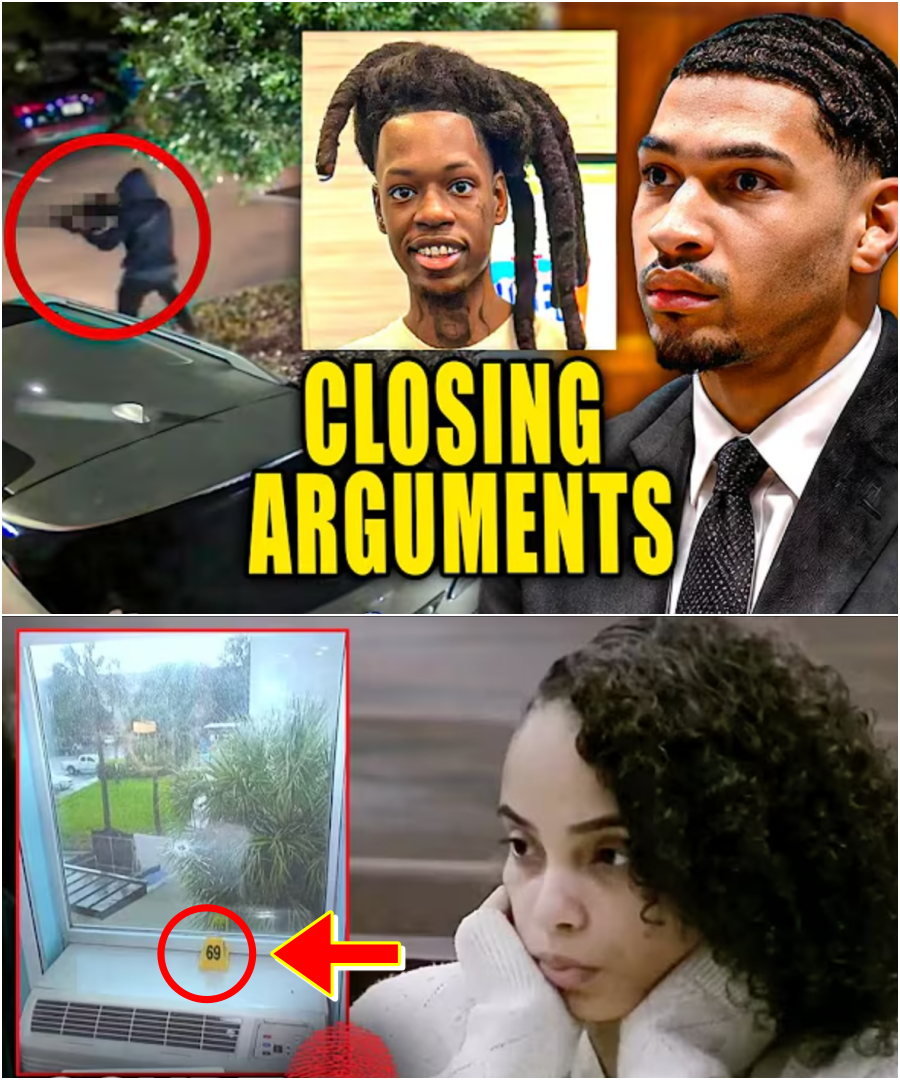
During the closing arguments, prosecutors walked the jury through what they claim was a step-by-step execution of the alleged plan. They argued that the defendants tracked the victim’s movements and coordinated their actions in advance, using both vehicles and communication devices to carry out the attack.
A key part of the prosecution’s presentation focused on digital and physical evidence collected during the investigation. Surveillance footage from multiple locations, including an area known as Truth 18, was shown in court. Prosecutors claimed the footage demonstrated coordination between two vehicles — a silver Chevy Cruze and a black Chevy Impala — which they allege were involved in following and approaching the victim prior to the shooting.
In addition to video evidence, prosecutors pointed to cell phone records and GPS data. They argued that location tracking information placed the defendants near the victim at critical times leading up to the incident. According to the prosecution, this digital trail supports the claim that the defendants were actively monitoring the victim’s movements.
Another significant point raised during closing arguments was the alleged behavior of the defendants after the shooting. Prosecutors claimed that following the incident, the accused individuals attempted to cover their tracks by changing phones, deleting data, and switching vehicles in an effort to avoid detection. These actions, they argued, were consistent with an attempt to conceal involvement in a planned crime.
The prosecution also outlined what they described as a long-standing conflict between rival groups, including ATK/1200 and Six Block. They referenced previous violent encounters, including a shooting in October 2023, as part of the broader context of ongoing tensions that allegedly contributed to the attack.
In their final remarks, prosecutors stated that the evidence presented throughout the trial amounted to what they called a “mountain of proof,” supporting charges of first-degree murder, conspiracy to commit murder, and related offenses. They further argued that statements made by the defendants during the investigation were inconsistent and contradicted by both physical evidence and digital records presented in court.
As the trial moves toward its next stage, the jury is now tasked with weighing the prosecution’s detailed account against the defense’s arguments. The closing statements have placed significant focus on whether the evidence truly supports the claim of a coordinated and intentional murder plot.
The case continues to draw widespread attention due to the high-profile nature of the victim and the seriousness of the allegations. For now, the courtroom remains focused on determining whether the prosecution’s version of events will be accepted as fact in one of the most closely watched trials involving the late rapper Julio Foolio.