Pete Wicks, familiar to reality TV fans from shows like The Only Way Is Essex and Strictly Come Dancing, is often seen as the quintessential “bad boy” on screen. Yet behind the cameras, Pete is a sensitive, reflective individual who has faced immense mental pressure from the public. In a recent interview with The Times, he candidly shared his experiences with online trolling, calling it “horrendous and heartbreaking.”
During his time on Strictly Come Dancing, Pete received thousands of messages and comments from viewers. “Some of the messages were beautiful, but the horrendous things were heartbreaking,” he said. These attacks made him confront loneliness and stress, but they also taught him a new perspective on fame: not everyone will like you, and public recognition comes with inevitable challenges.
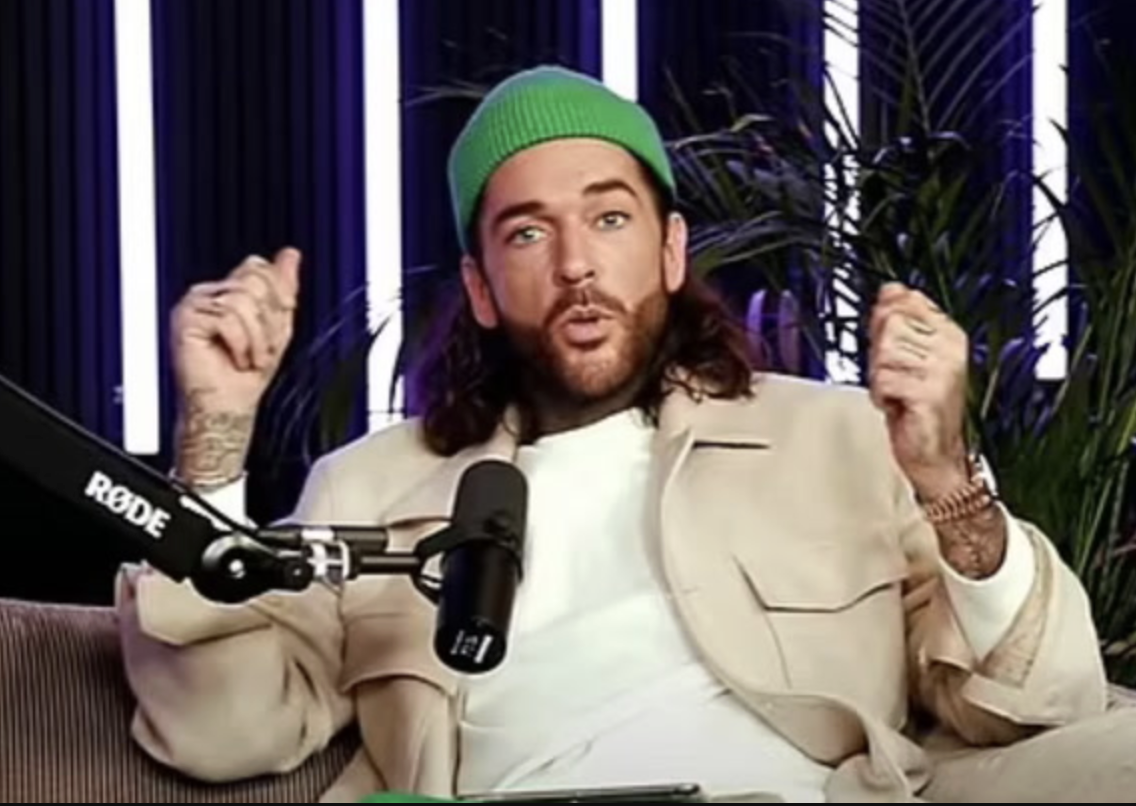
Pete also revealed a more personal side, away from the reality TV persona. While many see him as lively and rebellious, he describes himself as a “glass half-empty” person:
“I’m a glass half‑empty person. If you expect nothing then you’re not disappointed, and if amazing things happen it doubles the joy.”
This outlook helps him manage disappointment while appreciating life’s joys when they occur.
Another side of Pete’s personality is his love for animals. “At a party, when there’s an animal there, I’ll be the one sitting in the corner with the dog… I prefer dogs to people,” he joked. For him, animals offer a sense of comfort that social interactions sometimes lack.

Pete’s childhood and personal experiences have also shaped the man he is today. He has faced many challenges and pressures from a young age, which influenced his behavior and outlook on life. These experiences taught him to value honesty, protect himself from negativity, and find joy even in difficult circumstances.
This interview not only reveals Pete Wicks’ authentic self but also serves as a reminder of the pressures reality TV stars face. Beneath the glamour, smiles, and confidence, there are fears, mental strain, and sometimes profound loneliness. Through his openness, Pete shows that fame is not just about recognition—it’s also about learning to navigate life, handle disappointment, and celebrate small joys.
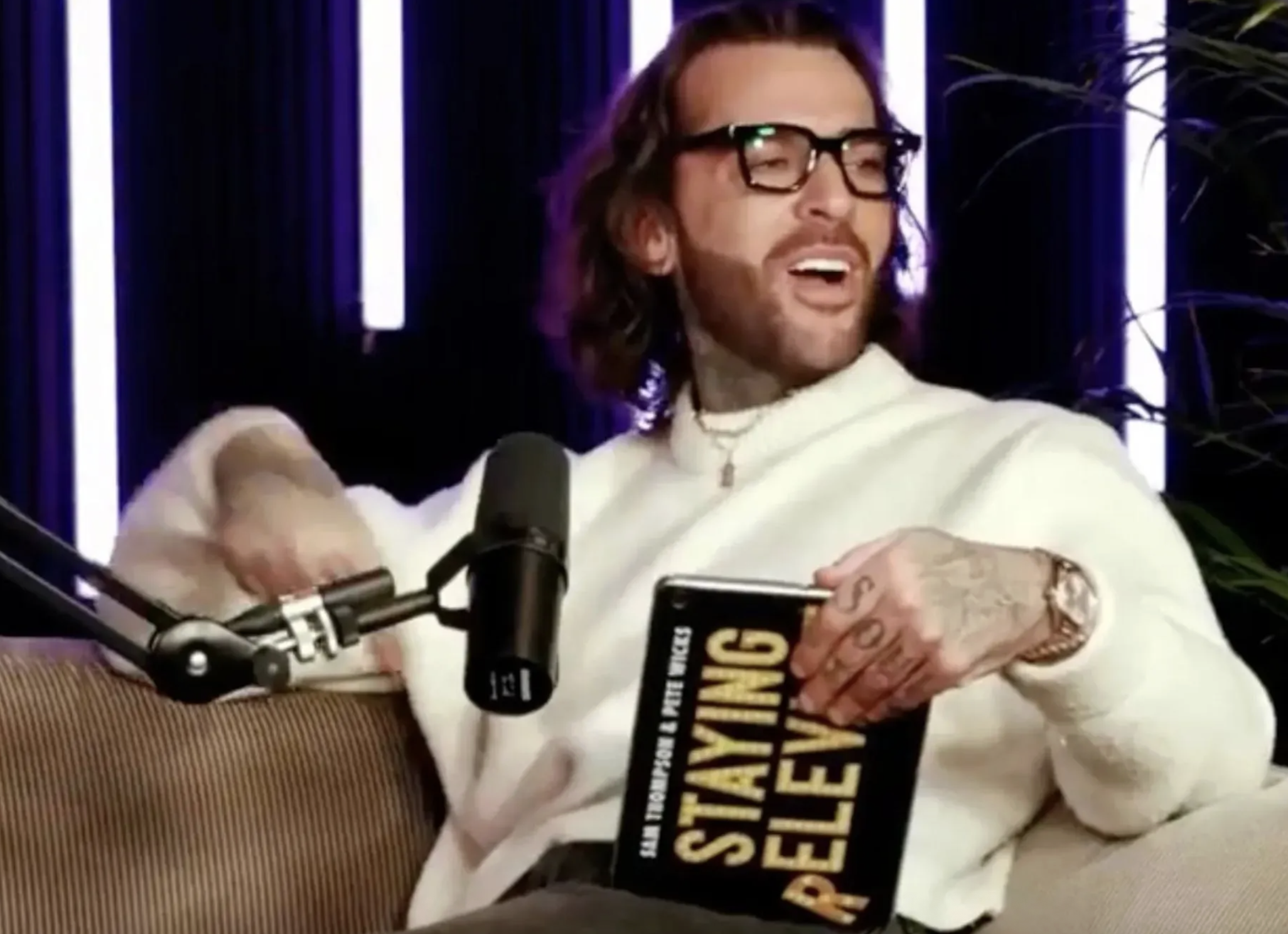
From Pete’s story, we learn an important lesson: fame does not define a person’s worth, and those we see on TV are real people with real emotions, deserving empathy and understanding.
News
FAMILY FUN OR FULL-TIME CHAOS? — Pippa Middleton PUTS DAUGHTERS GRACE & ROSE THROUGH THEIR PACES ON SKI TRIP — BUT IS James Matthews SECRETLY CRAVING AN ESCAPE?
It could be a throwback to her own happy childhood when parents Carole and Michael instilled a lifelong love of…

NEW INVESTIGATIVE LEAD REVEALED… — The dinghy route of missing American woman Lynette Hooker and jailed husband Brian is reconstructed, raising fresh suspicions
Brian Hooker remains in a Freeport, Bahamas, jail while police continue the search for his missing wife, Lynette Fox News…
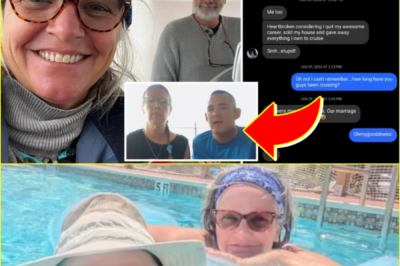
I CAN’T BE OUT THERE WITH HIM… — Lynette Hooker’s ch-illing messages to friend spark fresh concern over husband Brian
Messages that Lynette Hooker sent to a friend in 2024 following her split with husband Brian Hooker indicate she had…

A BR-U-TAL H0MIC!DE… — Police officer Steve Trewavas speaks out on the d-e-a-t-h of Richard Wills with sh0cking new details
Richard Wills, 65, was found shot dead in a shallow grave on his rural property after he failed to return…

I’M IN TEARS… SO TERRIBLY SAD… — Fans left emotional during Mel Schilling tribute in the Married At First Sight season finale
Married At First Sight fans expected drama during Monday night’s reunion, but they didn’t expect their hearts were going to…

I’M DI-SGUSTED AND H0RRIFIED… — Bec breaks down after Danny reveals what he really thinks in unseen footage from Married At First Sight
Married At First Sight’s Bec Zacharia broke down on Monday night when she was forced to endure a cruel remark…
End of content
No more pages to load