In his broadcast on 21 November, GB News presenter Patrick Christys delivered a striking commentary taking aim at UK Prime Minister Sir Keir Starmer. The incident in which Starmer nearly tripped during an international event—widely shared online—served as the starting point for a broader critique portraying him as “an embarrassment on the world stage” whose credibility is eroding both at home and abroad.
Christys opened by invoking a nickname often used mockingly to describe the Prime Minister: “Never Here Keir,” a jab at Starmer’s frequent absence from the UK. According to the figures cited in the programme, Starmer has undertaken 42 foreign trips in 17 months since taking office. Patrick argued that the sheer volume of travel makes it seem as though he spends more time abroad than managing affairs in London, reinforcing the perception that he is disconnected from domestic issues voters expect him to address.
The most recent incident—Starmer losing his footing and almost falling in front of international cameras—only added fuel to the criticism. Christys claimed that Downing Street reportedly contacted several journalists to request that they not publish the clip. To him, this raised questions about how concerned the government is regarding the Prime Minister’s image abroad.
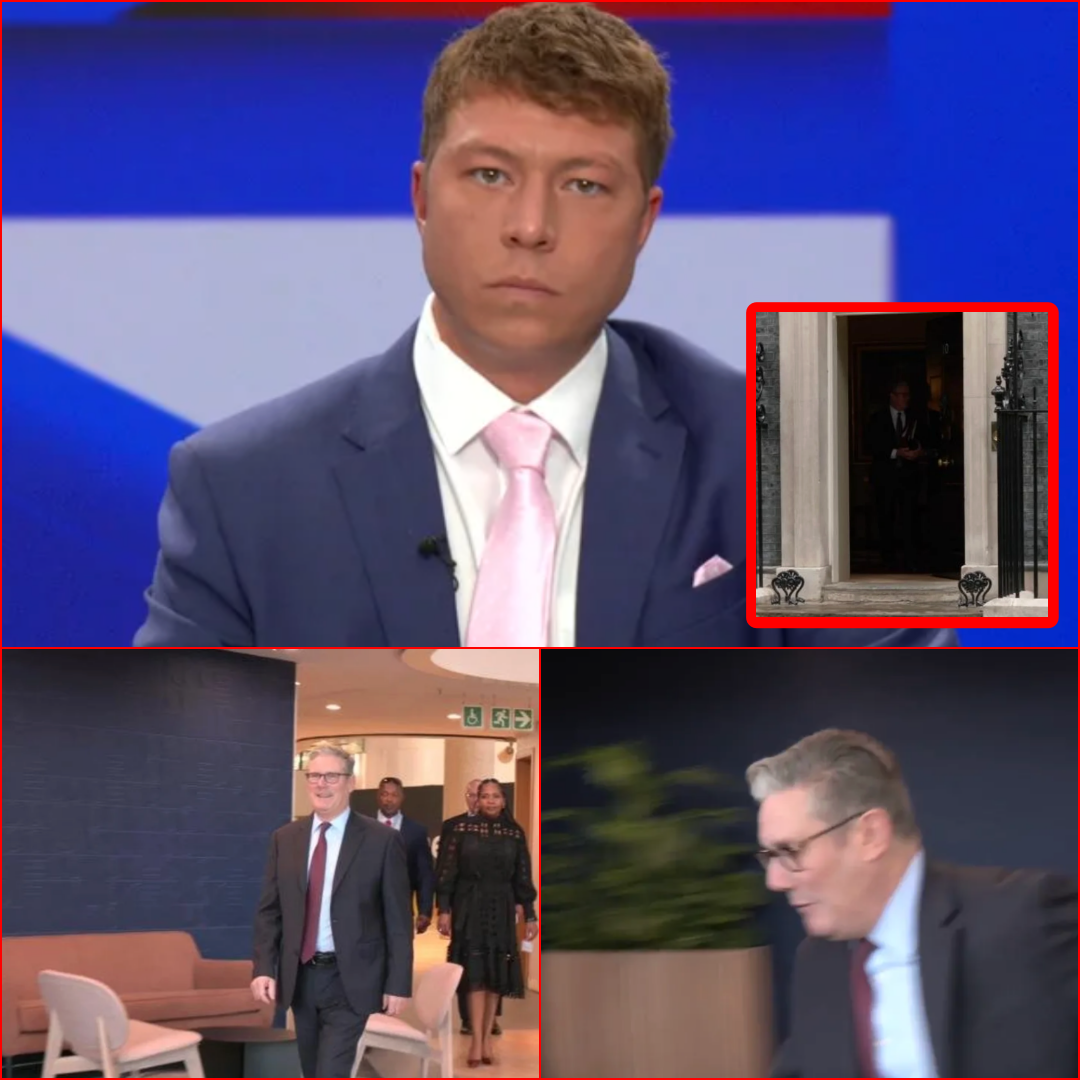
Yet Christys insisted this was just the latest in a long series of “embarrassing” moments for the Prime Minister on the diplomatic circuit. He proceeded to recount a number of episodes that, in his view, have seriously damaged Starmer’s standing.
One example highlighted was a European summit, where every leader was greeted by Hungarian Prime Minister Viktor Orbán—except Starmer. Though the moment could easily be attributed to logistical oversight, Christys employed it to illustrate his argument that Starmer is not accorded the same respect as other leaders.
Another incident involved a visit to Albania, where Starmer announced to the press that the UK and Albania would discuss the creation of “processing hubs for illegal migrants” on Albanian soil. However, the Albanian Prime Minister immediately corrected him, stating that Albania was working only with Italy on such matters. Being openly contradicted in front of the international press, Christys argued, marked one of the most awkward diplomatic missteps of Starmer’s tenure.
Christys also revisited the earlier moment when Starmer tripped outside the door of Number 10, which captured public attention shortly after he took office. Although a minor accident, Patrick contended that it reinforced the image of a leader who appears clumsy and uneasy in the role.
He then turned to a verbal gaffe during a speech on the Gaza conflict, in which Starmer mistakenly said “sausages” instead of “hostages.” The slip quickly became material for comedy shows and internet memes. Christys emphasised the moment repeatedly, framing it as further evidence that Starmer struggles to maintain composure even when addressing serious geopolitical issues.
To add to the list, Christys recalled a moment when Starmer mistook the President of South Korea for a translator, a diplomatic faux pas widely discussed in the media. At a time when the UK and South Korea were strengthening ties through trade and defence agreements, the misunderstanding was described as “a stumble with diplomatic consequences.”
After cataloguing these incidents, Patrick Christys concluded that the Prime Minister has become “a laughing stock, not just to people in Britain but on the global stage.” According to him, a G7 leader should project authority and confidence, yet Starmer’s repeated missteps create the opposite impression. Christys also argued that rising internal criticism within the Labour Party and recent polls showing a drop in support reflect a growing public scepticism about his leadership.
Although Patrick Christys’ commentary is highly critical and overtly opinionated, it highlights the increasingly polarised views surrounding Sir Keir Starmer’s public image, both domestically and internationally. For the Prime Minister’s supporters, these incidents are minor and overblown. For his critics, they symbolise a deeper issue: a leader who has yet to demonstrate firm, assured leadership at a time of significant national challenges.
With the UK facing pressure on multiple fronts—from migration and the cost of living to foreign policy tensions and internal divisions within Labour—the key question is whether Starmer can rise above the focus on these public missteps and rebuild confidence among voters. As television segments, social media, and political opponents continue to amplify these “stumbles,” the pressure on the Prime Minister will only intensify.
News

🚨 SH0CKING AFTER-HOURS CONFESSION — Gia Fleur says one PHOTO changed EVERYTHING… and Scott McCristal VANISHED without a trace
Married At First Sight bride Gia Fleur has lifted the lid on the final, off-camera chapter of her relationship with Scott…
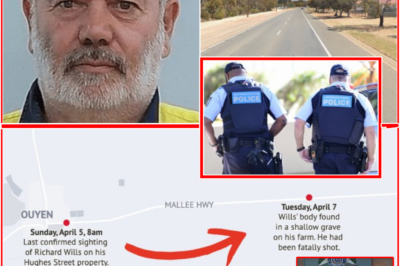
THE CH-ILLING DETAIL IN THE MISSING MAN CASE THAT IS SHAKING THE PUBLIC — NOTHING IS WHAT IT SEEMS…
Richard Wills’s body was found on Tuesday after he went missing on Easter Sunday. (Supplied) In short: The wife of a…
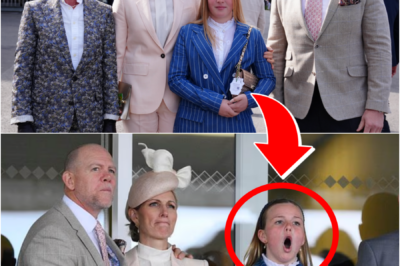
CAUGHT ON CAMERA: Mia Tindall “DOES A Prince Louis” — AND THE CROWD CAN’T LOOK AWAY
Mia Tindall couldn’t help her very animated reactions as she took in the equestrian action at Aintree this afternoon. Joining her…
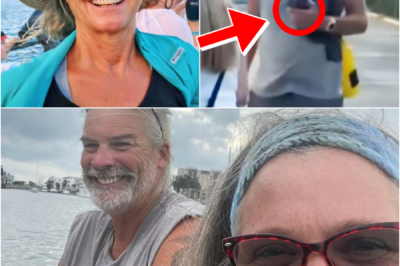
IT WAS THE WIND… — LYNETTE HOOKER’S HUSBAND SENT A CHI-LLING TEXT TO A FRIEND AFTER SHE VANISHED AT SEA
The husband of missing American boater Lynette Hooker told a pal that the wind blew him away from his missing…
⚠️ NOT A DISAPPEARANCE… THIS WAS M*RDER — SH0CKING DISCOVERY ON HIS OWN LAND LEAVES COMMUNITY STUNNED
Richard Wills’s body was found on Tuesday after he went missing on Easter Sunday. (Supplied) In short: The wife of a…

THEY LAUGHED: ‘A WOMAN IN SEAL TEAM?’ — 6 MINUTES LATER, 5 SN!PERS WERE D3AD… AND NO ONE WAS LAUGHING ANYMORE
PART 1 The first shot arrived before the sound did, like the jungle itself had thrown a punch. Captain Jake…
End of content
No more pages to load