
Information about the arrest of SleazyWorld Go has spread rapidly across social media, accompanied by a wave of shocking headlines claiming he was “arrested just for posting guns on Instagram.” However, according to official records from authorities, the truth behind this case is far more complex and serious than what is being widely circulated online.
SleazyWorld Go, an emerging hip-hop artist, was in fact prosecuted in a federal case related to illegal possession of firearms as a convicted felon. Under U.S. law, individuals with prior felony convictions are strictly prohibited from possessing or accessing weapons. Violating this law can result in serious criminal charges and significant penalties.
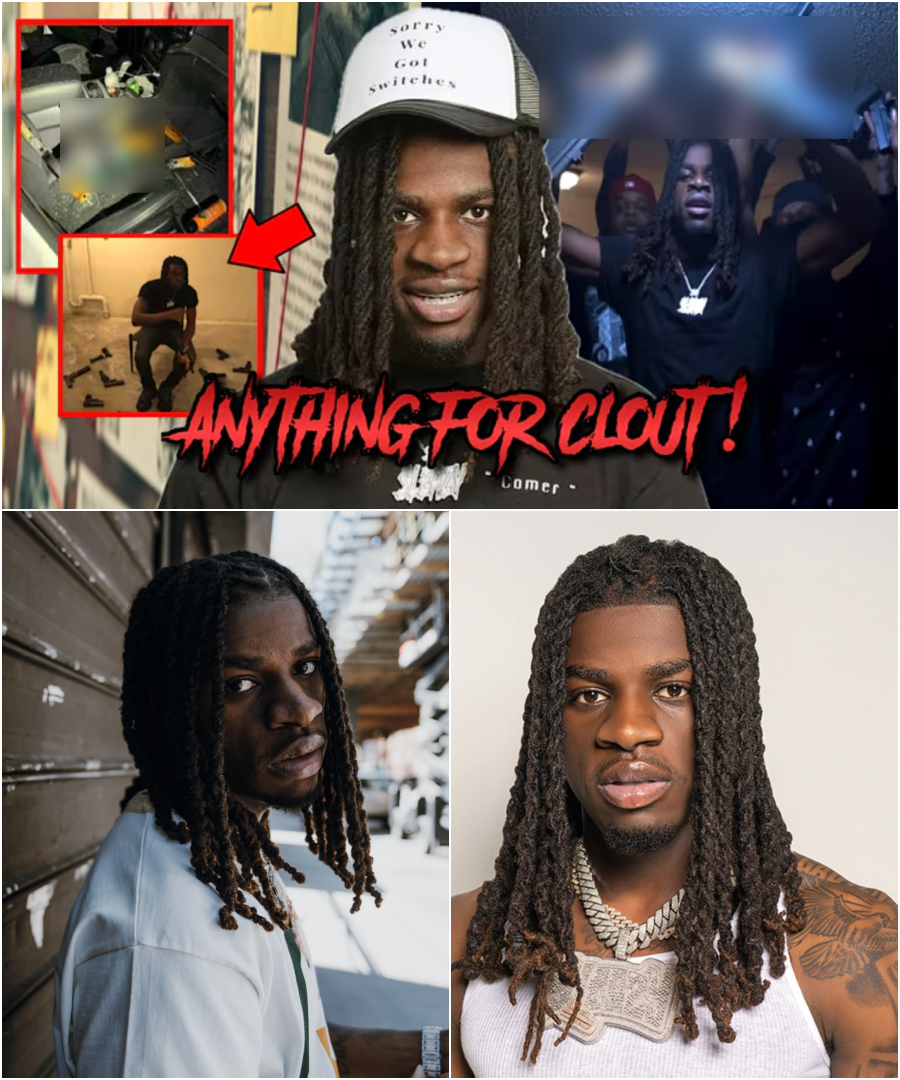
During the investigation, law enforcement agencies gathered substantial evidence showing the rapper in possession of firearms on multiple occasions. Notably, a significant portion of this evidence came directly from his own social media activity. Photos and videos he publicly shared became key materials that prosecutors used to build their case.
However, it is important to emphasize that posting images with firearms on Instagram was not the sole reason for his arrest. Instead, these posts served as supporting evidence to demonstrate that the illegal activity had taken place. Simplifying the situation as “arrested because of Instagram” is misleading and fails to reflect the true nature of the case.
The rapid spread of misinformation on social media once again highlights how easily narratives can be distorted to capture attention. In many instances, sensational headlines are crafted to drive engagement while leaving out critical details, ultimately shaping a misleading understanding of the situation among the public.
The case involving SleazyWorld Go also raises broader questions about the role of social media in modern criminal investigations. In today’s digital age, online platforms are not just spaces for personal expression but can also become valuable sources of evidence for law enforcement. Content shared publicly can be collected, analyzed, and presented in court.
Additionally, this case serves as a clear reminder of the legal consequences individuals may face when failing to comply with firearm regulations. For those with prior felony convictions, the restrictions are strict, and any violation can lead to serious legal repercussions.
At this time, official information from authorities remains the most reliable source for understanding the case. Meanwhile, the public is advised to approach viral content with caution and avoid spreading or relying on unverified claims.
While the story continues to evolve in different directions online, one undeniable reality stands out: this case clearly reflects the growing connection between online behavior and real-world legal consequences.
News

5-WORD BURN — PRINCE HARRY & MEGHAN MARKLE RIPPED APART IN BRUTAL ROYAL TAKEDOWN
Marina Hyde took the Duke and Duchess of Sussex to task during The Rest is Entertainment podcast, which she co-hosts…
F-A-T-A-L MOMENTS CAUGHT ON CAMERA — WHAT REALLY HAPPENED TO LIL MIKEY IS NOW BEING REPLAYED EVERYWHERE
Jaro City Shooting: What We Know About the Death of Lil Mikey and the Questions Surrounding the Final Moments The…

UNIFORM ON — AND ALL EYES FOLLOW: PRINCE WILLIAM’S MILITARY VISIT DRAWS ATTENTION ALONGSIDE A-LIST APPEARANCES
The Prince of Wales has been sporting a beard since 2024, but he made a quip about changing up his…

ROYAL SILENCE SHATTERED — PRINCE HARRY & MEGHAN MARKLE DROP A NEW STATEMENT THAT’S TURNING HEADS
The Sussexes called the verdict a long-overdue “reckoning” for the social media giants. Harry and Meghan issued a statement following…
Witness Speaks After Watching Jaro City Lil Mikey Get K!lled During Argument With His Friend…
A new account is now adding a deeply unsettling layer to the story surrounding Lil Mikey — one that comes…
911 Audio – This Is Why FBG Duck Affiliate “Jaro City Lil Mikey” W-a-s Backd00r’d
The story surrounding Lil Mikey continues to unfold — and now, new details circulating online are shifting how people are…
End of content
No more pages to load