Chicago rapper Lil Durk on Tuesday failed to convince a judge to throw out the murder-for-hire charges against him and five of his associates based on their argument that the government’s indictment is so vague that they can’t prepare a proper defense.
Federal prosecutors accuse the Grammy-winning hip hop artist, whose legal name is Durk Banks, of having offered a bounty for the murder of a rival rapper, but Christy O’Connor, one of Banks’ attorneys, said at a hearing in downtown Los Angeles that the indictment is impermissibly vague about the specifics of what the bounty was and how it was offered.
“When you have an indictment this vague, you can’t fill in the blanks with material the grand jury didn’t see,” O’Connor said. “The grand jury has been usurped.”
Typically, prosecutors will present their evidence behind closed doors to a grand jury to determine if there is probably cause that a defendant has committed a crime. According to O’Connor, while the government has given the defense purported evidence such as music videos, the attorneys don’t know whether that evidence was shown to the grand jury as proof of Banks somehow offering a bounty or it’s evidence intended to be introduced at trial.
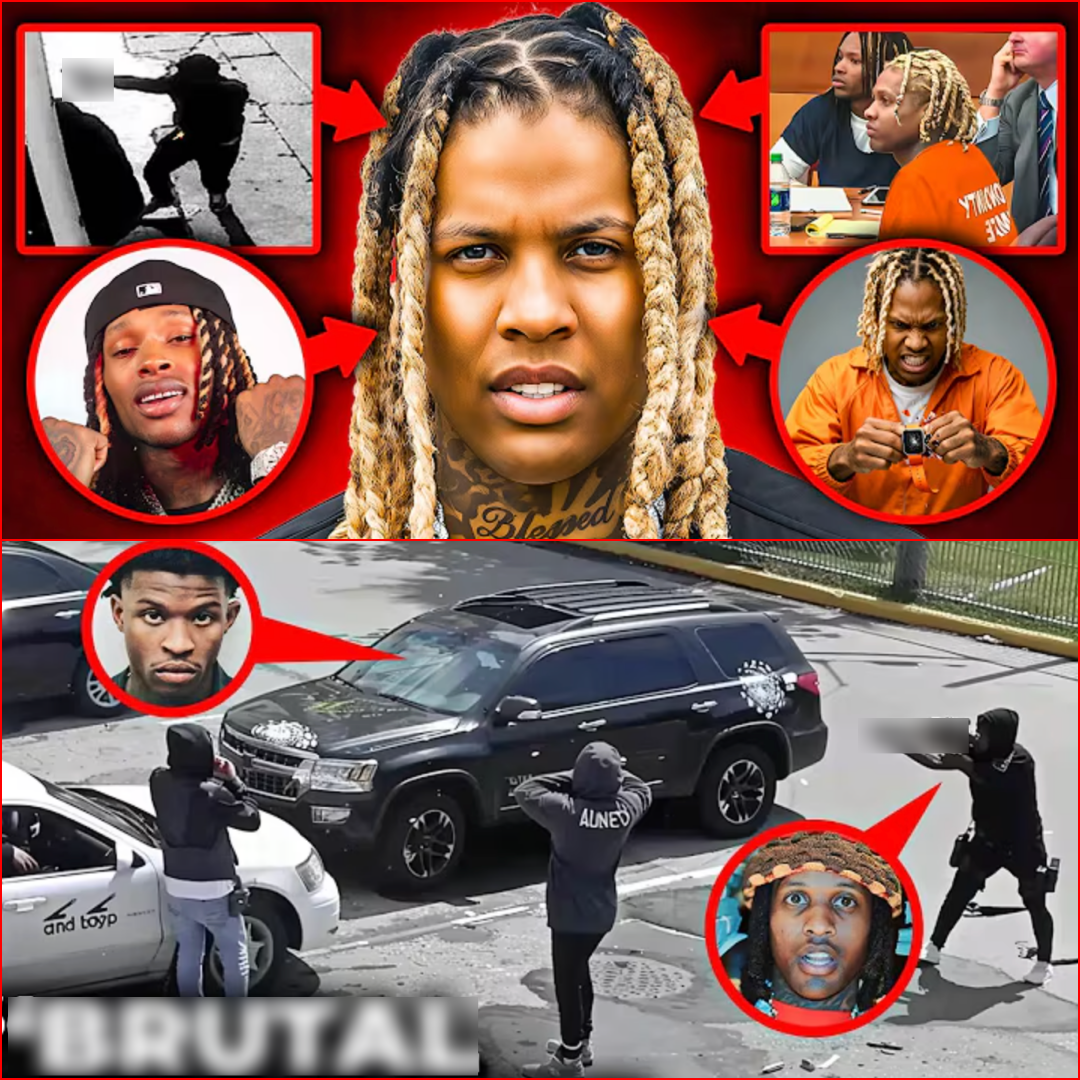
O’Connor also claimed that a key government witness, identified only as “Protected Witness 1,” told investigators that he hadn’t been offered a bounty at all to participate in the murder attempt on Banks’ rival in LA three years ago. in which a cousin of the target was killed.
This, she said, creates the danger that the prosecution is shifting its theory of the case and that the defendants will be confronted with a “trial by surprise.”
U.S. District Judge Michael Fitzgerald, however, said the defense wasn’t entitled to a blueprint of the prosecution’s opening statement and that the defense attorneys would be able to cross-examine the government’s witnesses at trial to show the jury if they had changed their story.
The Barack Obama appointee denied the motion to dismiss the indictment — which he said met the requirements used in the Ninth Circuit — but he postponed a ruling on the defense’s request for a bill of particulars that would spell out what the prosecutors believe Banks said and did to direct the hit on his rival.
Fitzgerald also rebuffed Banks’ request that the judge recuse himself from the case because the prosecution had waited seven months to disclose to the defendants that death threats had been made against the lead prosecutor on the case as well as against a magistrate judge, who earlier this year had denied Banks and the others bail after deciding they were a flight risk and a threat to the community.
Although the threats weren’t made by the defendants, the fact the prosecutors hadn’t told the defense attorneys about them when they went before the magistrate judge to argue for pretrial release has tainted the entire proceedings, said Drew Findling, another lawyer representing Banks.
“They looked at this a serious threat,” Findling told the judge. “There is no rationale for letting us walk in front of [Magistrate] Judge [Patricia] Donahue and make fools of ourselves — we truly had a ridiculous hearing.”
“To state the obvious, Judge Donahue was in no position to consider whether Mr. Banks was too dangerous to be released while having been both personally threatened by someone purporting to act on Mr. Banks’ behalf,” Banks said in his bid to disqualify not only the judge presiding over the case, but the entire bench of the U.S. District Court for the Central District of California, as well as the U.S. attorney’s office in LA.
Banks and his co-defendants demanded an evidentiary hearing into the threats and the prosecutions’ response to it and asked that the case be stayed.
Fitzgerald rejected this request as well, saying that even if a defendant would threaten a judge in open court, that wouldn’t be a good reason for a judge to recuse themself. If it were to work like that, it would give an incentive to a defendant to make such a threat just to derail a prosecution, he said.
Banks was arrested a year ago in Florida on charges that he orchestrated the attempted 2022 revenge killing of rapper Quando Rondo at an LA gas station, a shooting that resulted in the death of Quando Rondo’s cousin.
He is charged with conspiracy to commit murder-for-hire in the slaying of the cousin, 24-year-old Saviay’a Robinson. Five members of Bank’s Chicago-based rap collective, “Only the Family” or OTF, have also been charged.
News
FINAL WORDS THAT HIT DIFFERENT… — Lynette Hooker’s Joke About Her Husband Takes On New Meaning After Disappearance
Missing mom Lynette Hooker joked about “getting sick” of her husband in the final video shared on her YouTube channel — days…
SHE KNEW THESE WATERS… — Daughter Questions ‘Fall Overboard’ Narrative as Search for Lynette Hooker Turns Into Recovery Mission
Authorities in the Bahamas have moved to a recovery operation in their search for an American woman who reportedly fell…
NBA BEN 10 — NBA YOUNGBOY’S ASSOCIATE SH0T IN HOUSTON, IN CRITICAL CONDITI0N
Rapper NBA Ben 10, an affiliate of rap superstar NBA Youngboy, was shot inside the Houston restaurant, Confessions. Rumors about the death…
POOH SHIESTY’S FATHER FACES POTENTIAL JAIL TIME — Prosecutors Claim He’s a “Flight Risk”
ATLANTA, GA – MAY 31: Pooh Shiesty attends Onyx Monday Nights at Onyx Nightclub on May 31, 2021 in Atlanta,…
UNSEEN PALACE MYSTERY — Meghan and the Queen’s Fiery Confrontation Revealed
New details have emerged about Meghan Markle’s reported tiara dispute with Queen Elizabeth II ahead of her royal wedding to…
BREAKING SH0CK — Prince Harry Handed Blunt Ultimatum by Queen Elizabeth Before Leaving the Royal Family
Prince Harry was reportedly “reluctant” to leave the royal family, but wasn’t given much choice by his grandmother, Queen Elizabeth…
End of content
No more pages to load