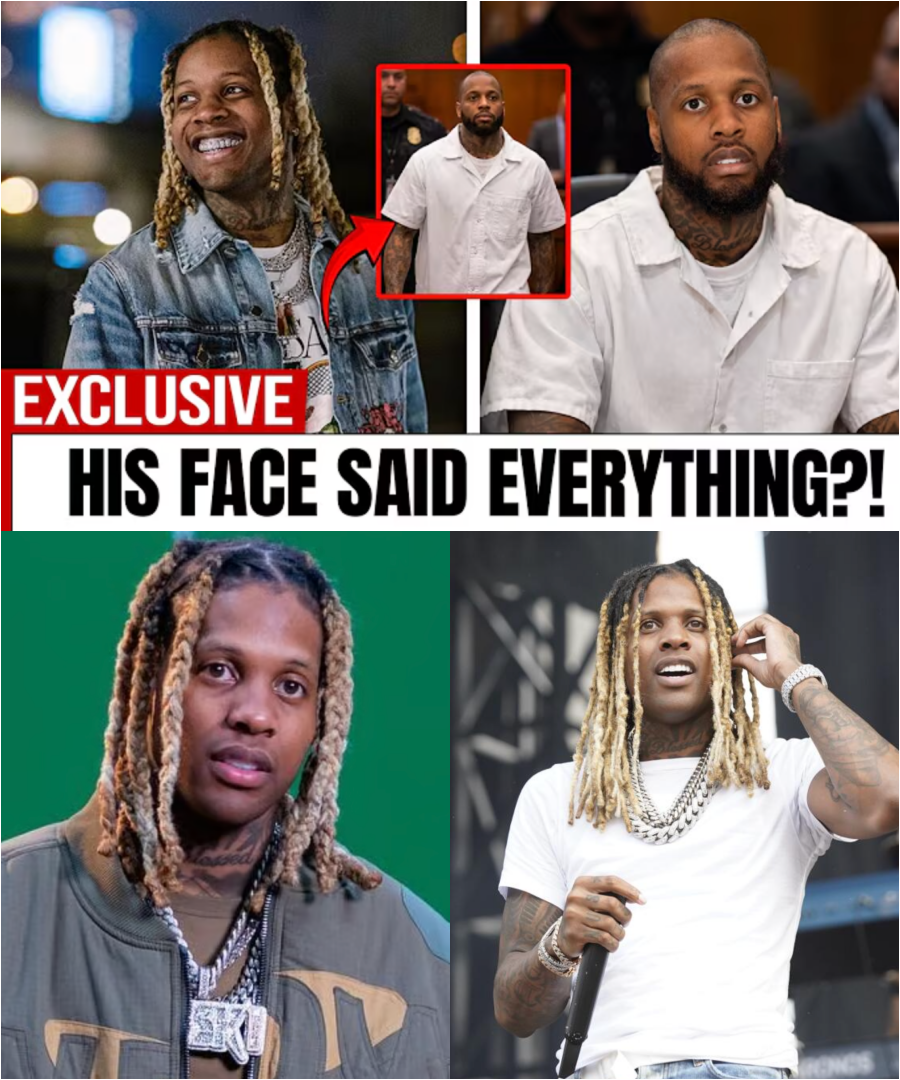
On February 23, 2026, Grammy‑winning rapper Lil Durk made a highly publicized court appearance that sent shockwaves through the hip‑hop world and beyond. In a federal courtroom in Los Angeles, Durk appeared noticeably changed: he was wearing a white jumpsuit with gray sleeves instead of casual street wear, and he stood with a full beard and a markedly different look from his signature style of recent years. It’s a stark contrast from the polished images fans are used to seeing on album covers and award stages — and his face seemed to reflect the gravity of the situation unfolding around him.
What many on social media zeroed in on — the beard, the jumpsuit, the present‑day photos circulating online — all feed into a larger narrative about a rap artist dealing with very serious legal jeopardy far outside of his music career. Durk — whose real name is Durk Devontay Banks — has been held in federal custody since his arrest in Florida in late 2024 on federal murder‑for‑hire charges, stemming from an alleged plot targeting fellow rapper Quando Rondo. Prosecutors allege the plot resulted in the death of Rondo’s cousin Saviay’a “Lul Pab” Robinson during a shooting at a Los Angeles gas station in August 2022.
The case has already seen a complex legal journey. Durk was initially arrested in Florida and then extradited to Los Angeles to face the charges after law enforcement intercepted his attempts to leave the United States on booked flights. Federal prosecutors say Durk organized and financed multiple individuals — associated in part with his Chicago collective Only the Family (OTF) — to carry out the murder‑for‑hire scheme in retaliation for a previous shooting that involved OTF rapper King Von.
At his recent hearing, the fact that Durk appeared in a white prison jumpsuit — the typical attire for detainees in federal custody — served as a visual reminder that this case is being treated as a major criminal prosecution rather than a low‑profile court matter. Durk’s defense team had been working to push back the trial schedule and argue procedural points, but as of the latest hearings, the judge has denied motions such as dismissing the indictment, and his trial has now been rescheduled for later in 2026.
The beard also stood out to fans and commentators precisely because Durk had recently changed his look — shaving his trademark dreadlocks and now appearing with noticeable facial hair growth. This shift, combined with the prison attire, made for a subdued, almost worn‑in appearance that contrasts sharply with the image many associate with the platinum‑selling artist at the height of his career.
Public reaction has been intense, with many commentators on social platforms suggesting that Durk’s altered appearance underscores the seriousness of his legal situation — which could potentially carry life in prison if he’s convicted at trial. The case itself has also had ripple effects: civic honors such as the key to the city previously bestowed upon Durk were rescinded, and some community partners have publicly distanced themselves from the rapper in light of the charges.
Despite the legal turmoil, Durk’s artistic achievements remain part of his public story. He won a Grammy Award in 2024 for Best Melodic Rap Performance and has been one of the most influential artists from the Chicago drill scene, helping bring that sound to mainstream audiences over the past decade.
Whether he will return to music at the same level or see his legacy reshaped by these legal battles will depend heavily on how the trial unfolds — but the image of him entering court in that stark courtroom attire with a full beard is the snapshot that many fans and critics are using to encapsulate this pivotal moment in his life.
News
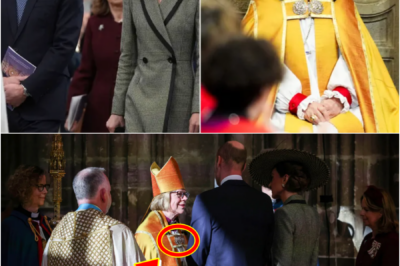
NEW ARCHBISHOP OF CANTERBURY BOWS TO KATE AND WILLIAM — A ROYAL MOMENT CATCHING EVERYONE’S EYE…
Archbishop Sarah Mullally acknowledged the Prince and Princess of Wales with a gesture of respect Kate Middleton and Prince William…

BREAKING: Lindsey Vonn Responds After Prince William Reaches Out Following Olympic Crash
“The way you wrote about stepping into the starting gate with courage and no regrets says so much about your…
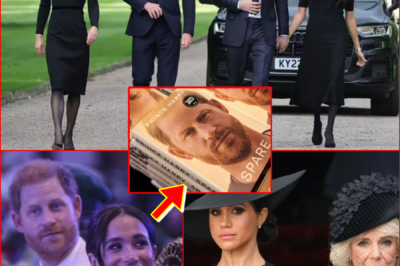
SEVEN B0MBSHELLS: Scathing New Book Reveals Sh0cking Details About Prince Harry and Meghan Markle
Author Tom Bowers released his latest book, Betrayal: Power, Deceit and the Fight for the Future of the Royal Family, today….
FULL FOOTAGE RELEASED: Jaro City Lil Mikey Sh0t & K!lled After Munna Ikee Diss at FBG Duck Gas Station
An unverified but widely shared report suggests that Jaro City drill rap figure Lil Mikey was shot and killed during…
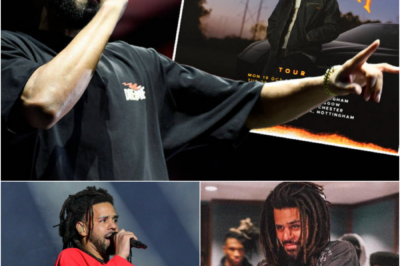
J. COLE SPEAKS OUT — IS HE REALLY RETIRING AFTER “THE FALL OFF”?
ATLANTA, GA – FEBRUARY 28: Rapper J. Cole attends a party “Alibi Tuesday Night” at TRUTH Nightclub on February 28,…
CHRISTIAN COMBS TARGETED — ATTEMPTED BURGLARY SH0CKS FANS: Reports have emerged that Christian Combs narrowly avoided an attempted burglary, and the news has quickly drawn attention online
NEW YORK, NEW YORK – JULY 02: King Combs, son of Sean “Diddy” Combs, arrives at Manhattan Federal Court for…
End of content
No more pages to load