In recent days, dramatic posts have circulated widely on social media claiming that Prince Harry declared that members of the British royal family were “jealous” of Meghan Markle because she could “outshine those born royal.” The line has been shared thousands of times, fueling fresh debate about tensions between the Duke and Duchess of Sussex and the royal institution.
But while the viral quote captures the spirit of what Harry has said before, it is not a direct, verbatim statement from a recent interview. Instead, it reflects a dramatic interpretation of remarks Harry made in earlier interviews and documentaries, particularly the 2022 Netflix series Harry & Meghan.
In that documentary, Harry discussed how Meghan’s sudden popularity after joining the royal family created discomfort within the palace. According to the series, the prince said there was “resentment” within royal circles as Meghan quickly became one of the most talked-about figures in the monarchy during early public appearances and overseas tours.
The documentary recounts the couple’s experiences during high-profile royal visits to countries such as Australia, New Zealand, and Fiji in 2018. Harry suggested that Meghan’s immediate popularity with crowds and the media generated tension behind the scenes. In his view, the attention surrounding Meghan changed the internal dynamics of the royal household and contributed to the difficult environment the couple later described publicly.
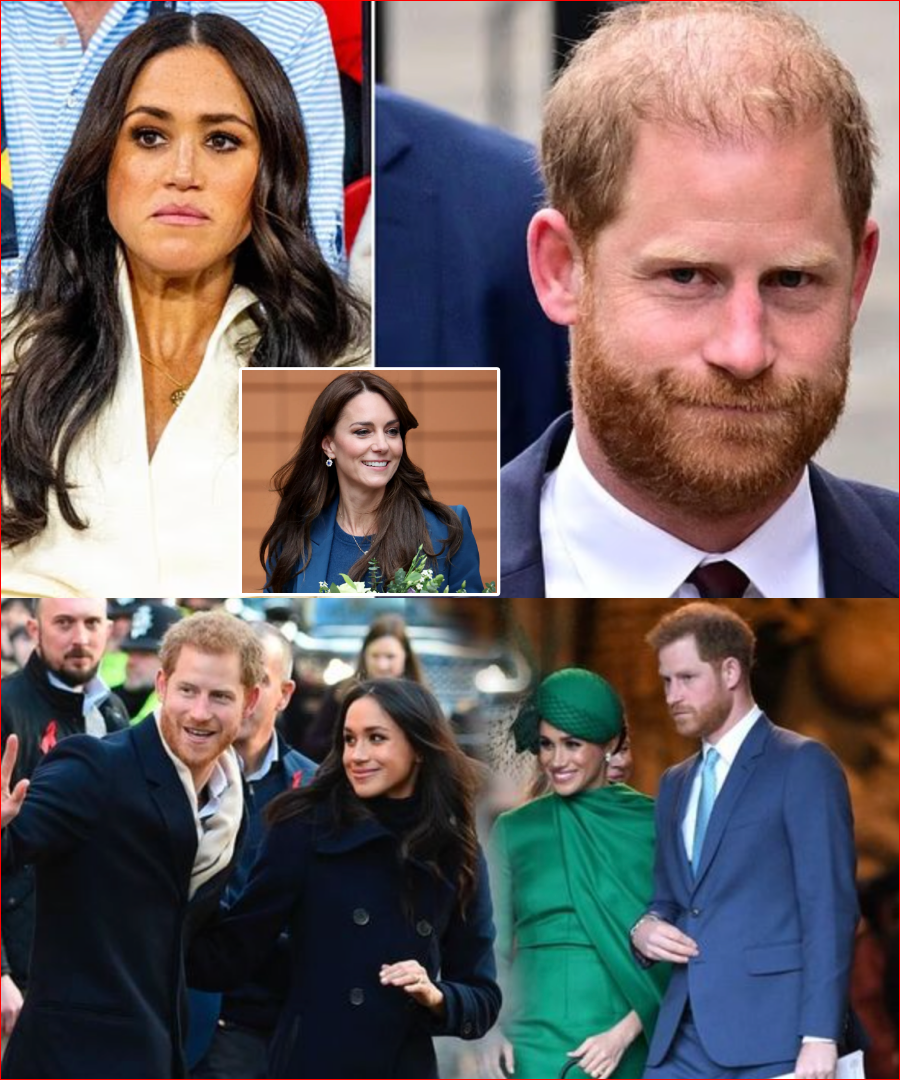
However, the viral wording now spreading online — including phrases like “they were jealous of Meghan” or claims that she could “outshine those born into royalty” — is not a confirmed quote from Harry. Instead, it is an example of how commentary, headlines, and social media posts often condense or dramatize complex statements into short, attention-grabbing lines.
This phenomenon is common in coverage of royal controversies. Because the relationship between Harry, Meghan, and the royal family has been under intense scrutiny since the couple stepped back from royal duties in 2020, even subtle comments are frequently reframed into more provocative narratives.
The Sussexes themselves have spoken repeatedly about feeling unsupported by the royal institution. In interviews, documentaries, and Harry’s memoir Spare, the couple described conflicts with palace communications teams, media pressure, and the breakdown of Harry’s relationship with senior royals. These revelations fueled one of the most public family rifts in modern royal history.
At the same time, critics and royal commentators argue that the narrative of jealousy oversimplifies a far more complicated situation involving tradition, media coverage, and institutional rules within the monarchy.
The latest viral headlines show how easily the Sussex story can reignite. A single paraphrased idea — that Meghan’s popularity caused tension inside the palace — can quickly evolve into a bold claim about royal jealousy when repeated online.
In reality, the truth lies somewhere in between. Harry has indeed suggested that Meghan’s rapid rise in public attention created resentment within royal circles. But the dramatic line now circulating on social media is largely a summarized interpretation rather than a precise quotation.
Still, the reaction demonstrates one thing clearly: years after Harry and Meghan stepped away from royal duties, the story of their conflict with the monarchy continues to captivate audiences around the world — and even a reinterpreted sentence can be enough to send the royal rumor mill spinning once again.
News

EXCLUSIVE FOOTAGE — Witness Captures Lil Mikey in Jaro City Being K!lled During Argument with Friend, Every Frame Sends Chills…
A shocking video has emerged showing the moments leading up to the death of Lil Mikey in Jaro City, captured…
NEW ARCHBISHOP OF CANTERBURY BOWS TO KATE AND WILLIAM — A ROYAL MOMENT CATCHING EVERYONE’S EYE…
Archbishop Sarah Mullally acknowledged the Prince and Princess of Wales with a gesture of respect Kate Middleton and Prince William…
BREAKING: Lindsey Vonn Responds After Prince William Reaches Out Following Olympic Crash
“The way you wrote about stepping into the starting gate with courage and no regrets says so much about your…
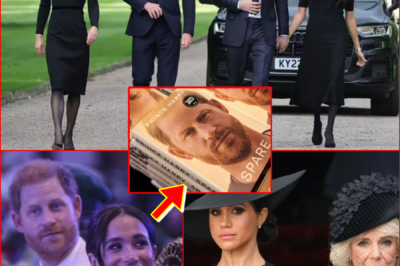
SEVEN B0MBSHELLS: Scathing New Book Reveals Sh0cking Details About Prince Harry and Meghan Markle
Author Tom Bowers released his latest book, Betrayal: Power, Deceit and the Fight for the Future of the Royal Family, today….
FULL FOOTAGE RELEASED: Jaro City Lil Mikey Sh0t & K!lled After Munna Ikee Diss at FBG Duck Gas Station
An unverified but widely shared report suggests that Jaro City drill rap figure Lil Mikey was shot and killed during…
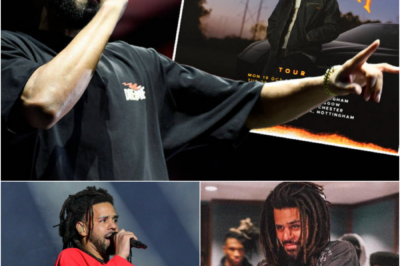
J. COLE SPEAKS OUT — IS HE REALLY RETIRING AFTER “THE FALL OFF”?
ATLANTA, GA – FEBRUARY 28: Rapper J. Cole attends a party “Alibi Tuesday Night” at TRUTH Nightclub on February 28,…
End of content
No more pages to load