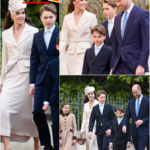
The music mogul’s legal team is examining whether footage in the documentary was obtained illegally, raising questions about privacy and media rights.
Diddy (Photo credit: Shutterstock.com / DFree)
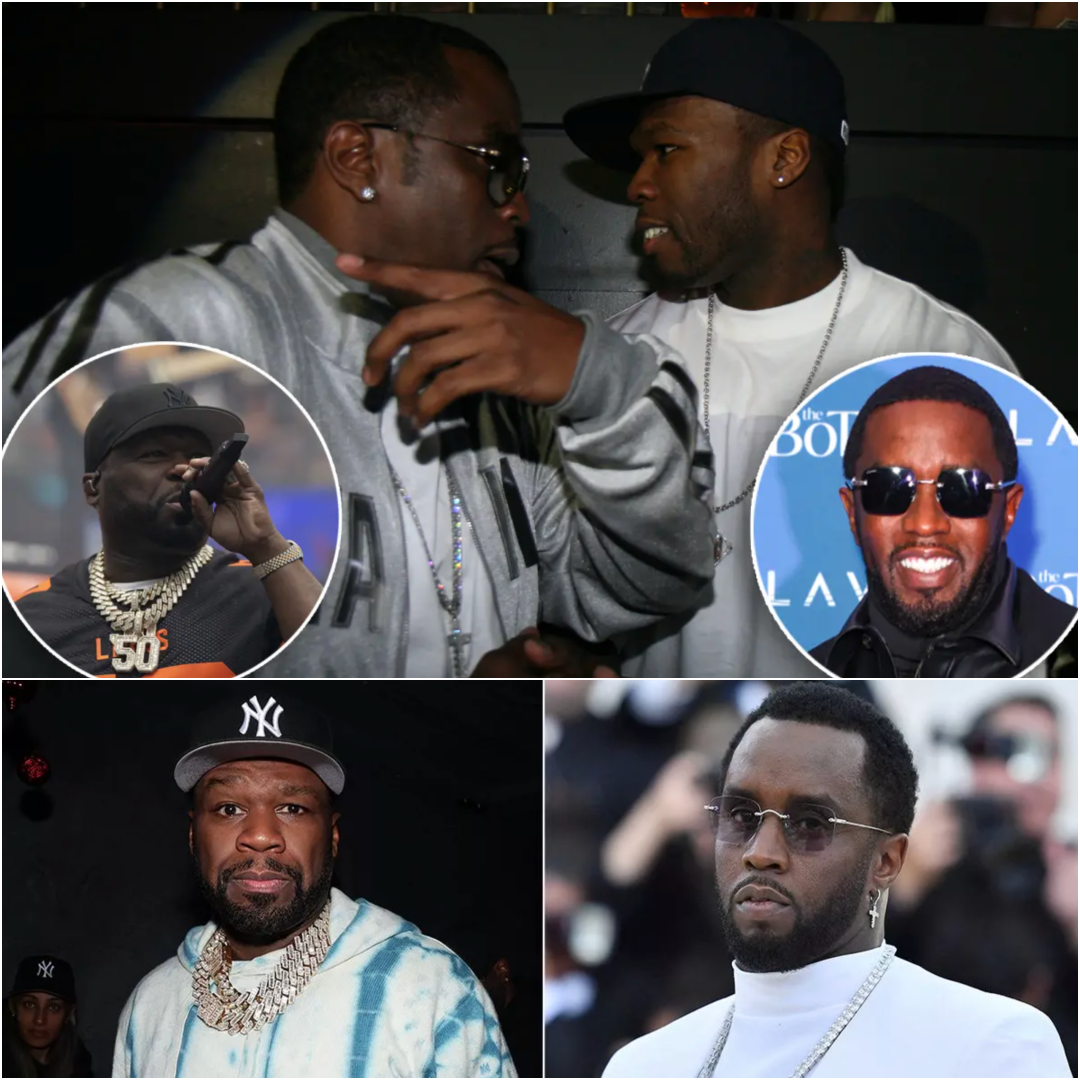
Sean Combs, widely known as Diddy, continues to explore potential legal recourse against Netflix and rapper Curtis Jackson, better known as 50 Cent, over a recently released documentary examining his life and legal troubles. The controversy centers on Sean Combs: The Reckoning, a docuseries that has drawn sharp criticism from the Bad Boy Records founder and his representatives.
A spokesperson for Combs recently confirmed to media outlets that his legal team remains actively engaged in reviewing possible actions against the streaming platform and those involved in the production. The central complaint revolves around behind the scenes footage that Combs alleges was obtained through improper means. His representatives have characterized the material as stolen, though Netflix has vigorously disputed these characterizations.
Diddy disputes footage authenticity
The legal dispute intensified even before the documentary premiered to audiences. In early December, attorneys representing Combs sent a cease and desist letter to Netflix, condemning the project as a deliberate attempt to damage his reputation. The letter specifically challenged footage showing Combs inside a New York hotel room conferring with members of his legal team in the days preceding his arrest in September 2024.
The Bad Boy Records founder currently resides at the Federal Correctional Institution in Fort Dix, New Jersey, following his conviction earlier this year on two counts related to transportation for prostitution. A jury acquitted him of more severe charges including sex trafficking and racketeering during proceedings concluded in July.
Netflix pushes back on allegations
The streaming giant has firmly rejected accusations that the documentary represents unfair or illegally obtained content. Company representatives emphasized that all footage depicting Combs in the period leading to his indictment and subsequent arrest was secured through legitimate channels. Netflix officials have characterized the project as a thorough examination rather than a vindictive attack.
An important distinction highlighted by Netflix involves 50 Cent’s role in the production. While the rapper receives credit as an executive producer, the company clarified that he did not exercise creative control over editorial decisions or content selection. This detail could prove significant if legal proceedings move forward, potentially limiting his exposure to liability claims.
Director Alexandria Stapleton helmed the project, which traces Combs’ trajectory through the music industry while exploring allegations and circumstances surrounding his legal difficulties. The documentary format allows for a comprehensive look at events that have dominated entertainment news coverage throughout the year.
Legal strategy remains unclear
The exact nature of potential legal action remains unspecified as Combs’ team continues its review process. Legal experts note that cases involving documentary footage often hinge on questions of consent, reasonable expectation of privacy and whether material was obtained through lawful means. The hotel room footage appears central to the dispute, raising questions about who had authority to record and subsequently distribute such material.
Privacy expectations in semi public spaces like hotels present complex legal challenges. While Combs was meeting with his attorneys, a scenario typically protected by attorney client privilege, the physical location and circumstances of that meeting could affect legal arguments about reasonable privacy expectations.
Broader implications for celebrity documentaries
The standoff between Combs and Netflix highlights ongoing tensions between public figures and media companies producing unauthorized biographical content. Streaming platforms have increasingly invested in documentary projects examining controversial figures, often without subject cooperation or approval.
These productions walk a fine line between journalistic inquiry and potential invasion of privacy. As celebrities face legal troubles, their lives become subjects of intense public interest, but questions persist about where legitimate reporting ends and exploitation begins.
The outcome of Combs’ legal review could influence how streaming services approach similar projects in the future. If his team proceeds with litigation and prevails on claims about improperly obtained footage, it might establish precedents affecting documentary production practices industry wide.
For now, the series remains available on Netflix while Combs and his attorneys weigh their options from behind bars. The legal chess match continues as both sides maintain their positions on the legitimacy and propriety of the documentary content.
News

D3ADLY POST SPARKS F@TAL SH00TING — Aspiring NC Rapper K!lled After Controversial “Snitch” Documents Allegedly Shared Online…
What started as a controversial social media post quickly spiraled into a tragedy no one could take back. In North…
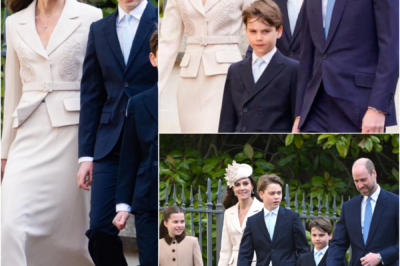
Growing up right before our eyes — done right! Prince George is already nearly as tall as Catherine, Princess of Wales (even in heels), and the shift feels impossible to ignore…
Prince George, Princess Charlotte and Prince Louis were seen walking into the royal family’s church service alongside their parents at…
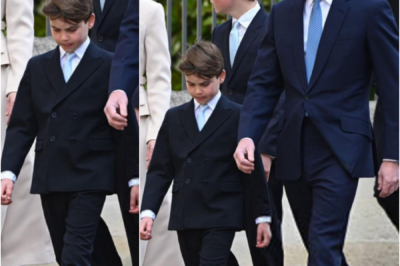
Like father, like son — done right! Prince William and Prince Louis stepped out together at Easter in Windsor, walking in perfect sync in a moment that quietly melted hearts
Prince George, Princess Charlotte and Prince Louis were seen walking into the royal family’s church service alongside their parents at…
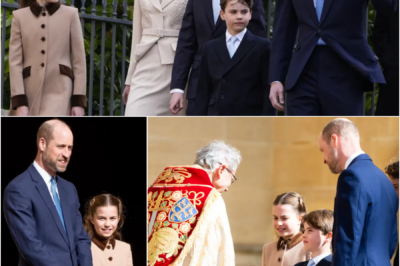
A quiet royal moment done right! Prince William and Princess Charlotte shared a sweet exchange during Easter in Windsor—subtle, natural, and impossible to ignore
Prince George, Princess Charlotte and Prince Louis were seen walking into the royal family’s church service alongside their parents at…
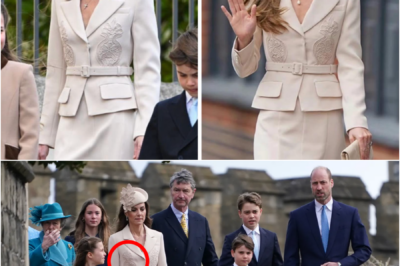
👑 REWEAR BUT MAKE IT ROYAL — Catherine, Princess of Wales Proves Timeless Style Never Fades With Elegant Easter Look in Windsor…
Prince George, Princess Charlotte and Prince Louis were seen walking into the royal family’s church service alongside their parents at…
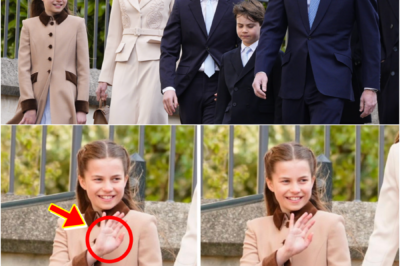
👑 A QUIET MOMENT STEALS THE SPOTLIGHT — Princess Charlotte Draws Attention With Effortless Poise During Easter Appearance at Windsor…
independent.co.uk William, Kate and children join traditional royal Easter service | The Independent She’s growing into it so naturally. Princess…
End of content
No more pages to load