
In 2025, a major scandal rocked the West Yorkshire Police in the UK: Maryam Ilyas, then only 20 years old, was found to have used her police system access to leak confidential information to her boyfriend, a suspected drug dealer.
According to the investigation and disciplinary hearing held in late 2025, Ilyas accessed the internal police database three times between March and May 2025 to look up records, personal information, and the identity of her boyfriend, who was under investigation for drug-related activities. She then passed along data regarding an ongoing covert operation, including images and surveillance details, to him.
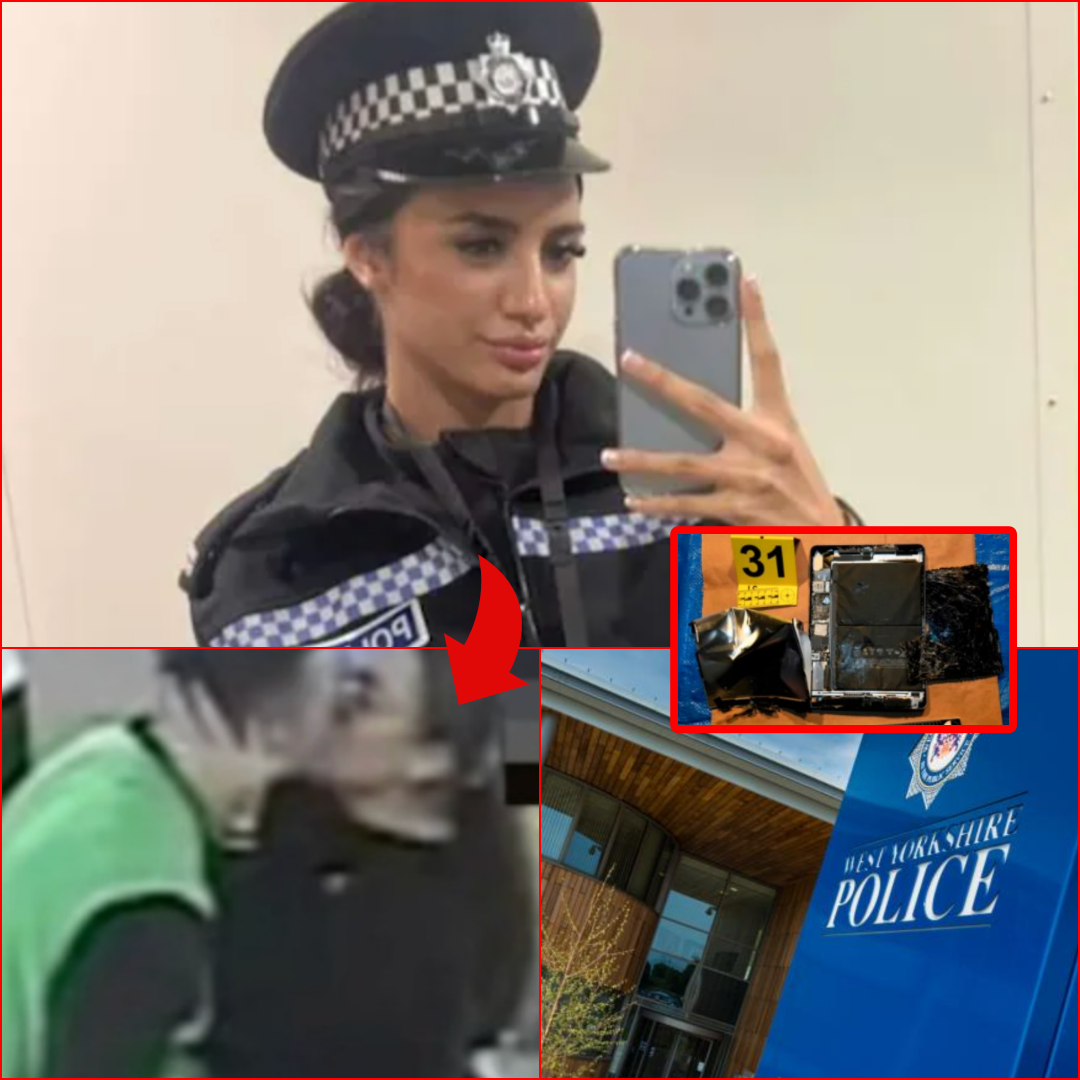
What made the case even more serious was that when joining the force in June 2024, Ilyas failed to disclose her relationship with the suspect — a major gap in the recruitment vetting process. When questioned, she initially claimed she was “just a new trainee and didn’t fully understand” the system, a defense the disciplinary panel rejected.
The truth came to light in July 2025 when her boyfriend was arrested for drug-related crimes. Police discovered multiple secret messages between the two, including discussions of cash and drug dealings. The disciplinary board concluded that Ilyas’s relationship with the suspect was deliberate, ongoing, and intentional, rather than casual or incidental.
Although Ilyas resigned before the disciplinary hearing, the board stated that she would have been immediately dismissed had she remained in the force, citing gross misconduct — serious ethical violations.
In a statement after the case, Deputy Chief Catherine Hankinson, who presided over the hearing, emphasized that the public has the right to expect honesty and integrity from police officers. Ilyas’s actions, she said, were a betrayal of public trust and harmed the reputation of the entire force.
This case raises serious questions about recruitment vetting procedures, internal data access control, and the risks of confidentiality breaches within any law enforcement system. A single individual’s deception and misuse of access can allow criminals to evade justice and undermine public confidence in law enforcement.
The story serves as a stark warning: internal information must be protected at all times, as any lapse could be exploited to shield criminal activity and erode the community’s trust in justice.
News
THE WIND BLEW ME AWAY — Messages sent by Brian Hooker to a friend after his wife’s disappearance are leaving many unsettled
The day after his wife disappeared during a nighttime boat ride in the Bahamas, Brian Hooker told a friend that she tried…

HE HASN’T GOT A CLUE — Prince Harry left royal staff “aghast” after an incident inside the Palace
A young Prince Harry left a royal protection officer thinking he could be sacked with one cheeky incident after developing…

LEAKED OPERATIONAL NOTES FOR AUSTRALIA TOUR — The real cost behind Prince Harry & Meghan Markle revealed, with one “telling omission” sparking controversy and breaking royal tradition
Under-wraps details about the Duke and Duchess of Sussex’s impending trip to Australia can be revealed for the first time, via…

My love… I know it — The girlfriend of the Australian man who di-ed in Bali has shared a heartbreaking farewell that has left many people deeply moved
The Australian man who died after he was found hanging from his bedsheet on a Balinese hotel balcony has been…

WHEN FOUND, THE V-ICTIM WAS STILL BRE-ATHING… — Police Reveal New Details in Australian Man’s De-ath at Bali Hotel
The Australian man who died after he was found hanging from his bedsheet on a Balinese hotel balcony has been…

TRAG-IC NEWS IN BALI… — New details emerge in the case of an Australian man who di-ed at a hotel, as his grieving family breaks their silence
The Australian man who died after he was found hanging from his bedsheet on a Balinese hotel balcony has been…
End of content
No more pages to load