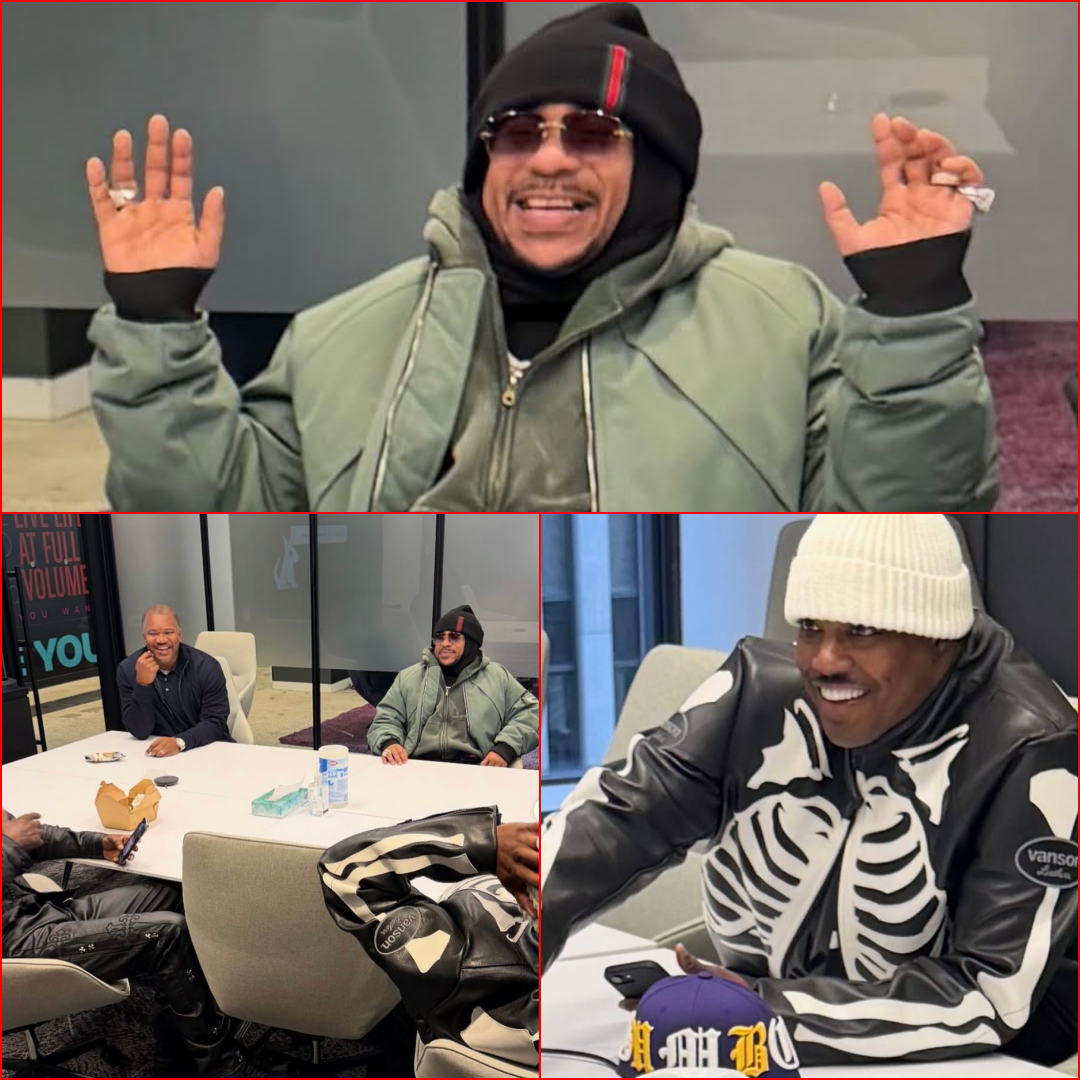
Cam’ron — the Harlem rap icon and core member of The Diplomats (Dipset) — has opened up with rare honesty about his journey, his longtime friend Max B, the chaos of “fight weekends,” and why haters always seem to band together whenever his name comes up. In his latest conversation, Cam’ron sheds light on loyalty, survival, fame, and the unseen forces working behind the scenes against him.
Max B: From Harlem Roots to a Post-Prison Awakening
Cam’ron describes Max B not just as a fellow artist, but as someone he grew up with — a brother figure who lived in the same building, walked the same streets, and carried the same Harlem energy. When Max B first told Cam he wanted to rap, Cam admitted he didn’t immediately see it. But over time, he came to recognize Max B’s unique delivery, his raw “Harlem talk,” and the natural charisma that could have taken over the entire industry if used right.
Cam’ron also made clear that he and Max B never had real personal beef. Even after years apart and prison time, he still reached out with support. “Bigavelli — that’s my brother,” Cam said, reaffirming that their bond never faded.
Fight Weekends, Violence & the Price of Fame
Having lived through the wild, chaotic nightlife of Harlem and the rap industry, Cam’ron didn’t shy away from talking about the “fight weekend culture” — events where egos, alcohol, and reputation collided. From street fights to club scuffles, he has seen friends get pulled into situations simply to prove themselves, even when the cost was high.
One moment that stuck with him was watching a close friend — who had only one leg — try to fight while drunk during a weekend event. To Cam, this wasn’t entertainment; it was a glimpse into how destructive the expectations of “gangsta culture” could be.
He reflects now, saying he no longer has the desire to live dangerously for status or image. Age and experience taught him that the risks weren’t worth it — not fame, not money, not reputation.
Why Haters Always Team Up Against Him
Cam’ron also touched on a pattern he has noticed throughout his career: whenever he rises, critics and haters seem to form alliances to drag him down.
According to him, jealousy and narrative control are the biggest drivers. Some people, he said, want to keep Harlem rappers trapped in the old stereotype — violence, crime, drama — rather than allow them to evolve into artists, businessmen, and leaders.
When Max B came home, some people were eager to erase the possibility of growth or reconciliation. They preferred the drama, the conflict, the old image — because it fit the “story” they wanted the world to see.
Cam admits he made mistakes in his youth, but he refuses to let the past define him. Now, he wants to use his career and his knowledge to guide others — especially those coming out of Harlem — toward a better path.
Faith, Discipline & a Personal Reinvention
Despite criticism and the constant shadow of haters, Cam’ron stands firm in his belief: music doesn’t need violence to thrive. He talks about recording fifteen songs a week in his early years — not for fame, but as an expression of who he was and where he came from.
He believes that if the culture looked beyond stereotypes, it would see that authenticity and talent still matter most — and that Max B, with his natural Harlem charisma, is living proof of that.
Conclusion
Cam’ron’s latest interview isn’t just storytelling — it’s a declaration. A declaration from an artist who has survived the chaos, outgrown the expectations, and now sees the game with clarity.
For Cam’ron and Max B — two kids from the same Harlem building — this new chapter isn’t just about comeback.
It’s about rewriting what it means to come from Harlem, to grow up, and to rise above the noise.
News
This Footage is INSANE! – BEN10 SH*T DURING CHAIN SNATCHING! NEW DETAILS GOT PEOPLE QUESTIONING
What started as just another night out has now turned into one of the most talked-about and unsettling incidents circulating…

JUST BECAUSE OF A CHAIN… – Final moments caught before NBA Ben 10 is sh0t in Houston — ch!lling twist leaves fans in sh0ck
What should have been just another night out in Houston quickly spiraled into something far darker — a moment that…
CAUGHT ON CAMERA — NBA BEN 10 SH0T IN HOUSTON OVER A CHAIN, CH!LLING MOMENTS CAPTURED ON VIDEO
Rapper NBA Ben 10, an affiliate of rap superstar NBA Youngboy, was shot inside the Houston restaurant, Confessions. Rumors about the death…

SOMETHING’S NOT RIGHT… THIS IS TRULY INSANE…: Final moments caught at Houston restaurant before NBA Ben 10 is sh0t — ch!lling twist leaves fans in sh0ck
Rapper NBA Ben 10, an affiliate of rap superstar NBA Youngboy, was shot inside the Houston restaurant, Confessions. Rumors about the death…
FINAL WORDS THAT HIT DIFFERENT… — Lynette Hooker’s Joke About Her Husband Takes On New Meaning After Disappearance
Missing mom Lynette Hooker joked about “getting sick” of her husband in the final video shared on her YouTube channel — days…
SHE KNEW THESE WATERS… — Daughter Questions ‘Fall Overboard’ Narrative as Search for Lynette Hooker Turns Into Recovery Mission
Authorities in the Bahamas have moved to a recovery operation in their search for an American woman who reportedly fell…
End of content
No more pages to load