
Boosie Badazz Blasts Hot Boy Turk Over Kodak Black Debate: “You Don’t Mean That”
A new debate about prison culture and loyalty in hip-hop has sparked tension between Southern rap veterans, after Boosie Badazz publicly criticized Hot Boy Turk for defending Kodak Black in an ongoing discussion about protective custody in prison.
The controversy began when Boosie shared his thoughts on Kodak Black reportedly spending time in protective custody (PC) during a previous incarceration. Within prison culture, protective custody refers to a housing unit designed to keep inmates safe from potential threats. However, in certain street and prison codes, some people view going into PC as a sign of weakness or a failure to stand by traditional inmate rules.
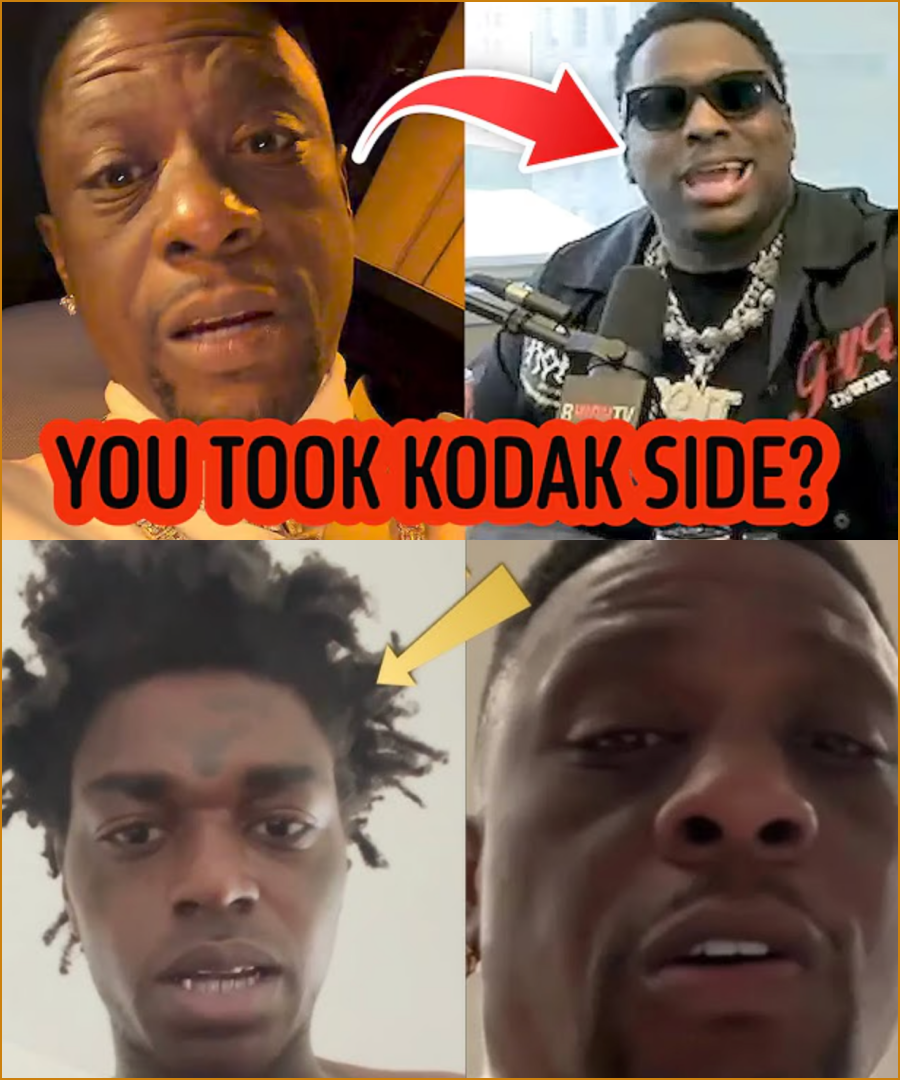
Boosie made it clear that he strongly disagreed with that choice. In his comments circulating on social media and hip-hop platforms, the Baton Rouge rapper argued that being placed in protective custody undermines credibility in environments where reputation and toughness are taken seriously. According to Boosie, respect in those situations comes from facing the general population rather than requesting additional protection.
His remarks quickly sparked reactions across the hip-hop community. Among those who responded was Hot Boy Turk, a former member of the legendary New Orleans rap group Hot Boys, which also featured Lil Wayne, Juvenile, and B.G..
Turk took a different stance on the issue, suggesting that criticizing someone for being in protective custody was unnecessary and outdated. Speaking on the topic in interviews and social media discussions, Turk explained that many inmates enter PC for legitimate safety reasons. In his view, survival should come before reputation, and no one should be pressured into dangerous situations simply to satisfy public expectations about toughness.
Turk’s perspective appeared to defend Kodak Black from the criticism circulating online. However, that defense did not sit well with Boosie.
Soon after Turk’s comments spread online, Boosie fired back, questioning whether Turk genuinely believed what he was saying. In his response, Boosie accused Turk of siding with Kodak without truly standing behind the argument, at one point suggesting that Turk himself did not fully mean the position he was taking. The phrase “You don’t mean that” quickly became the most widely quoted line from Boosie’s reaction.
The exchange added another layer to the growing conversation about prison culture within the rap world. Many artists in hip-hop have spent time incarcerated, and discussions about “street codes” and inmate rules have long been part of the genre’s storytelling and public image.
For some fans and commentators, Boosie’s viewpoint reflects an older generation’s perspective on authenticity and survival in prison environments. Others, however, argue that attitudes toward incarceration have shifted over time, with more people recognizing the complex realities inmates face behind bars.
Kodak Black himself has often been a controversial figure in hip-hop, both for his music and for his legal issues over the years. Despite the criticism, he continues to maintain a strong fan base and influence within the industry.
Meanwhile, the debate between Boosie and Turk illustrates how quickly disagreements can escalate in the social media era. What began as a discussion about prison housing quickly evolved into a public dispute between respected figures from the Southern rap scene.
At the moment, neither side has indicated that the situation will escalate further. Still, the argument has fueled widespread conversation online about prison ethics, street loyalty, and how those values intersect with hip-hop culture today.
Whether the dispute fades or sparks additional responses from other artists remains to be seen, but it has already become another example of how deeply personal experiences—especially those involving incarceration—continue to shape conversations within the rap community.
News
SH0CK MOMENT — A sudden Royal Family update involving Prince William and Catherine, Princess of Wales drops just days before Easter — and one unexpected detail is now dominating the conversation…
After several weeks filled with engagements, the Prince and Princess of Wales are now going to be absent for nearly…

EXCLUSIVE FOOTAGE — Witness Captures Lil Mikey in Jaro City Being K!lled During Argument with Friend, Every Frame Sends Chills…
A shocking video has emerged showing the moments leading up to the death of Lil Mikey in Jaro City, captured…
NEW ARCHBISHOP OF CANTERBURY BOWS TO KATE AND WILLIAM — A ROYAL MOMENT CATCHING EVERYONE’S EYE…
Archbishop Sarah Mullally acknowledged the Prince and Princess of Wales with a gesture of respect Kate Middleton and Prince William…

BREAKING: Lindsey Vonn Responds After Prince William Reaches Out Following Olympic Crash
“The way you wrote about stepping into the starting gate with courage and no regrets says so much about your…
SEVEN B0MBSHELLS: Scathing New Book Reveals Sh0cking Details About Prince Harry and Meghan Markle
Author Tom Bowers released his latest book, Betrayal: Power, Deceit and the Fight for the Future of the Royal Family, today….
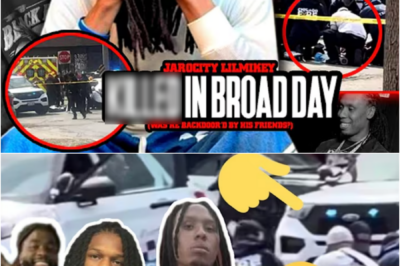
FULL FOOTAGE RELEASED: Jaro City Lil Mikey Sh0t & K!lled After Munna Ikee Diss at FBG Duck Gas Station
An unverified but widely shared report suggests that Jaro City drill rap figure Lil Mikey was shot and killed during…
End of content
No more pages to load