
When Trash Isn’t Just Trash: Who Really Pays the Price?
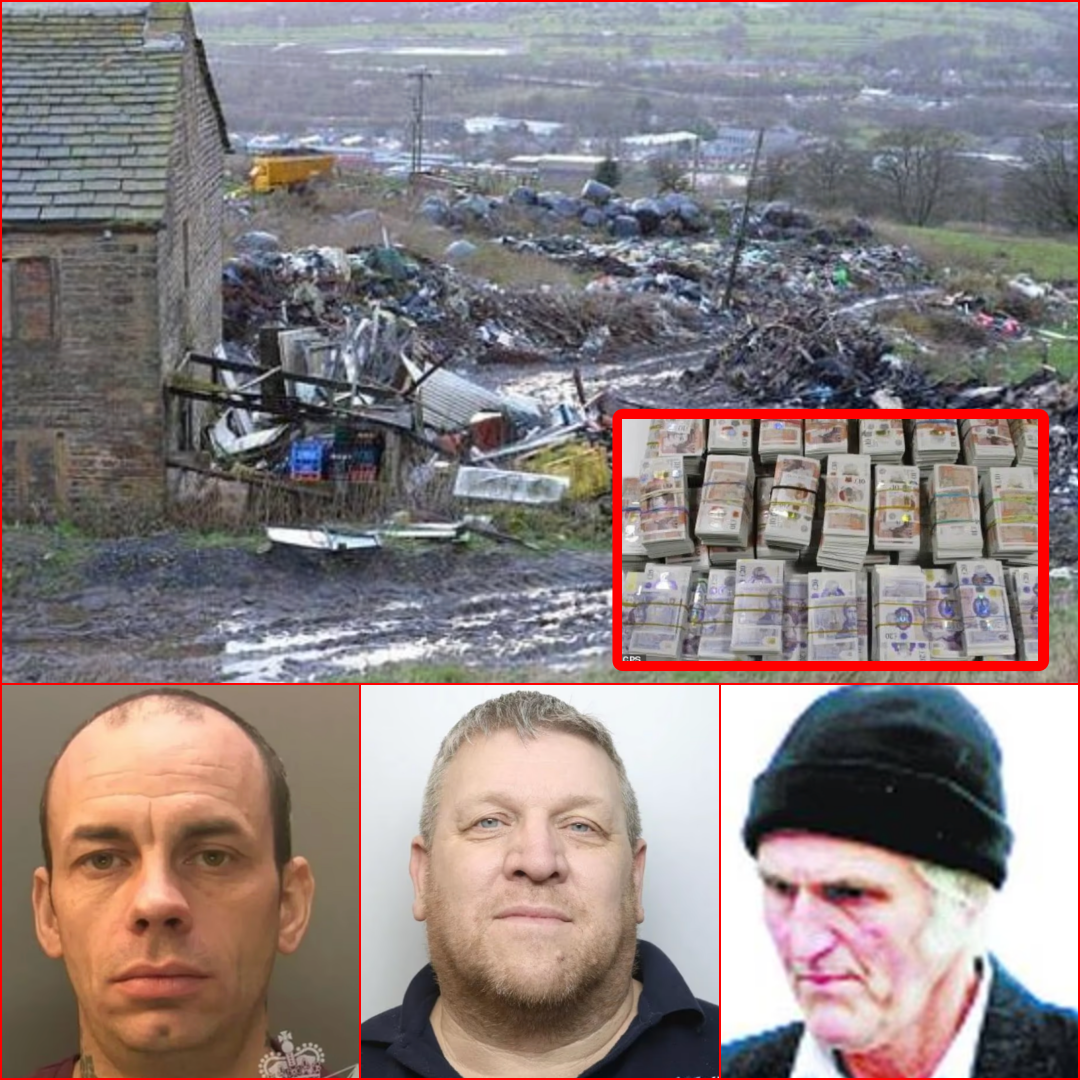
In 2024, the Environment Agency (EA) launched an investigation into one of the largest illegal waste dumping operations in the UK. The case involved three individuals—Marcus Hughes, Richard Hopkinson, and Robert McDonagh—who admitted to dumping approximately 26,000 tonnes of waste across 17 sites scattered throughout the country. The locations included Liverpool, Lancashire, Staffordshire, the West Midlands, Shropshire, Yorkshire, and Humberside.
To put this into perspective, 26,000 tonnes is roughly equivalent to 2,170 double-decker buses. The scale of the operation caused massive disruption and environmental hazards in the communities affected. Meanwhile, the offenders successfully avoided paying over £2.7 million in landfill tax, a loophole they exploited for their profit. However, the cleanup cost alone—borne by landowners and local communities—exceeded £3.2 million.
How the Cost Fell on the Innocent
The individuals behind this operation used land leases and temporary storage contracts as a cover. They rented farmland, warehouses, and disused industrial sites under the pretense of storing materials like plastic pellets, motor vehicles, or waste for export. In reality, these sites became illegal dumping grounds.
To further disguise their activity, “security personnel” wearing hi‑vis vests were placed at the sites, creating the appearance of a legitimate operation. Many landowners were unaware of what was happening and believed they were legally leasing their property.
Once the illegal waste was discovered, legal responsibility often fell on the landowners. According to UK environmental law, if waste is dumped on private property, the landowner is typically required to manage its removal and cleanup. For these 17 sites, the financial burden on landowners and local communities quickly escalated to more than £3.2 million.
Environmental and Social Consequences
The impact extended far beyond finances. The dumped waste brought rodent infestations, flies, foul odors, and contamination, affecting public health and local businesses. Shops, farms, and small enterprises in proximity to the sites experienced disruptions, loss of revenue, and, in some cases, closure.
Local communities became unwitting victims: forced to deal with environmental hazards, property damage, and the stress of living near illegal waste. Even when the perpetrators were caught, the costs and damages often remained with these innocent parties.
Systemic Weaknesses Exploited
This case highlights serious loopholes in the waste management system. The offenders relied on:
Legally documented leases and storage contracts to mask illegal activity.
The complexity of waste categorization and transportation, making it difficult to trace responsibility.
Minimal oversight and verification from authorities regarding waste storage and disposal practices.
As a result, when the waste was discovered, those who bore the cleanup costs were often the least responsible: the landowners and local communities. Meanwhile, the criminals avoided their environmental and financial obligations.
Legal Response
The three individuals were convicted following trial, receiving penalties for environmental, corporate, and fraud offenses. While their sentencing marked a significant victory for environmental law enforcement, it did not alleviate the financial and environmental burden that had already fallen on the innocent.
Authorities have urged landowners to remain vigilant, thoroughly vetting tenants and waste management companies. Contracts should include strict compliance clauses and verification processes to avoid being exploited as a dumping ground. However, surveys indicate that only about 27% of all waste crime incidents are reported, meaning much illegal waste remains undetected, and the true social cost is likely far higher than official figures suggest.
Lessons and Warnings
Environmental crime can be sophisticated and highly profitable. The scale of this case demonstrates the capabilities of organized waste crime.
Legal documentation alone does not guarantee safety. Landowners must carefully examine tenants’ backgrounds, business purposes, and waste management procedures.
The financial and social costs are enormous. £3.2 million is not just a number; it represents environmental restoration, public health measures, and the disruption of communities and businesses.
Effective monitoring and reporting are crucial. Community engagement, rigorous inspections, and law enforcement collaboration are essential to identify and stop illegal activity.
Waste is not just waste—it carries responsibility. Exploiting waste systems for profit shifts the burden onto innocent parties and the environment, creating long-term societal costs.
Conclusion: Trash as a Community Burden
The 26,000-tonne illegal dumping case is more than a story of environmental crime or tax evasion. It is a lesson in accountability and the hidden costs of negligence and exploitation. While the perpetrators avoided financial penalties through fraud and deception, landowners, local communities, and businesses were left to pay the price—financially, environmentally, and socially.
£3.2 million in cleanup costs represents the visible tip of the iceberg. The unseen costs—damage to community trust, property value, public health, and the environment—are far greater. This case demonstrates that unless enforcement, reporting, and regulation are strengthened, illegal dumping will continue to shift the burden onto the innocent, leaving communities to bear the true cost of environmental crime.
News

This Footage is INSANE! – BEN10 SH*T DURING CHAIN SNATCHING! NEW DETAILS GOT PEOPLE QUESTIONING
What started as just another night out has now turned into one of the most talked-about and unsettling incidents circulating…

JUST BECAUSE OF A CHAIN… – Final moments caught before NBA Ben 10 is sh0t in Houston — ch!lling twist leaves fans in sh0ck
What should have been just another night out in Houston quickly spiraled into something far darker — a moment that…

CAUGHT ON CAMERA — NBA BEN 10 SH0T IN HOUSTON OVER A CHAIN, CH!LLING MOMENTS CAPTURED ON VIDEO
Rapper NBA Ben 10, an affiliate of rap superstar NBA Youngboy, was shot inside the Houston restaurant, Confessions. Rumors about the death…

SOMETHING’S NOT RIGHT… THIS IS TRULY INSANE…: Final moments caught at Houston restaurant before NBA Ben 10 is sh0t — ch!lling twist leaves fans in sh0ck
Rapper NBA Ben 10, an affiliate of rap superstar NBA Youngboy, was shot inside the Houston restaurant, Confessions. Rumors about the death…

FINAL WORDS THAT HIT DIFFERENT… — Lynette Hooker’s Joke About Her Husband Takes On New Meaning After Disappearance
Missing mom Lynette Hooker joked about “getting sick” of her husband in the final video shared on her YouTube channel — days…
SHE KNEW THESE WATERS… — Daughter Questions ‘Fall Overboard’ Narrative as Search for Lynette Hooker Turns Into Recovery Mission
Authorities in the Bahamas have moved to a recovery operation in their search for an American woman who reportedly fell…
End of content
No more pages to load