50 Cent has long been a headline-maker, both for his music career and his personal life, but his child support saga has arguably cemented his reputation as one of the most talked-about celebrities in the legal arena. The controversy revolves around his financial obligations for his son, Marquise Jackson, and the dramatic reduction he recently achieved through the family court system.
For years, social media and tabloids reported that 50 Cent was paying hefty sums to Marquise’s mother, sparking public fascination and debate. Many posts claimed that he was voluntarily paying $40,000 per month, amounting to an astonishing $500,000 a year, although credible sources have never confirmed this precise figure. Nevertheless, the narrative of “excessive payments” took hold online, often portrayed as a legendary loss for the rapper. Fans and commentators alike debated whether this level of support was fair or excessive, feeding into the broader discourse on celebrity finances and parental responsibilities.
The drama escalated when 50 Cent decided to take action himself. Rather than continuing under the existing arrangements, he went to family court to reassess his obligations. According to verified reports, the court ultimately reduced his child support payments to $6,700 per month. While the viral social media narrative framed this as a reduction from $40,000, the important takeaway is the significant decrease in his monthly obligations — a remarkable legal win for the rapper.

This reduction has sparked intense discussion online. Many fans praised 50 Cent’s savvy and resourcefulness, noting that few celebrities would have had the courage or legal strategy to challenge previously established arrangements successfully. Others criticized the decision, questioning whether the financial support would adequately cover the needs of his son. This tension highlights a persistent societal debate: how much is enough when it comes to child support, and how should wealth influence parental responsibilities?
50 Cent himself addressed the situation publicly, emphasizing his commitment to fairness and his perspective on the arrangement. In interviews, he explained that he “took himself to child support court” because he felt he had already provided substantial support and sought a legal reassessment that reflected his current circumstances. This statement reinforced the notion that the rapper is proactive about managing both his finances and his public image, navigating a tricky balance between personal responsibility and media scrutiny.
The saga illustrates the power of perception and the role of social media in shaping celebrity narratives. While viral posts exaggerated the amounts and framed the story as a massive “L” for 50 Cent, the factual outcome is more nuanced. He did secure a substantial reduction, but the sensationalized claims about $40,000 monthly payments and dramatic losses are largely unverified. This discrepancy underscores how quickly information can spiral online, particularly in high-profile cases involving celebrities.
Ultimately, 50 Cent’s child support saga is a fascinating intersection of law, media, and celebrity culture. It demonstrates how public figures navigate complex personal and legal challenges under intense scrutiny. The story also prompts broader reflection on the realities of child support in high-income families, the impact of viral narratives on public perception, and the legal avenues available for reassessment. Whether one views it as a win for 50 Cent or a controversial decision, the saga remains one of the most notable celebrity legal stories in recent years — a case study in media, money, and family law.
News

THEY LAUGHED: ‘A WOMAN IN SEAL TEAM?’ — 6 MINUTES LATER, 5 SN!PERS WERE D3AD… AND NO ONE WAS LAUGHING ANYMORE
PART 1 The first shot arrived before the sound did, like the jungle itself had thrown a punch. Captain Jake…

SUED BY HIS OWN CHARITY… — Prince Harry faces defamation lawsuit from Sentebale he co-founded A surprising development is once again putting Prince Harry in the spotlight. According to new reports, Sentebale — the charity he once co-founded — is said to have taken legal action related to defamation claims. The news has quickly sparked debate, as the relationship between Harry and the organization he was once closely tied to now appears to be facing serious strain. Full details of the case have not yet been publicly disclosed, but the development is raising major questions: what really happened behind the scenes to lead to such a dramatic turn? As the story continues to unfold, this could become one of the most high-profile disputes involving Harry in recent times… full details below
Court documents have shown that Prince Harry is being sued for defamation by the Sentebale charity he co-founded in honour…

‘HEAVEN HAS A NEW ANGEL’ — HEARTBROKEN Catriona Rowntree SHARES DEVASTATING FAMILY NEWS
Catriona Rowntree has shared the devastating news that her older sister, Lucinda, passed away on Friday morning following a long…
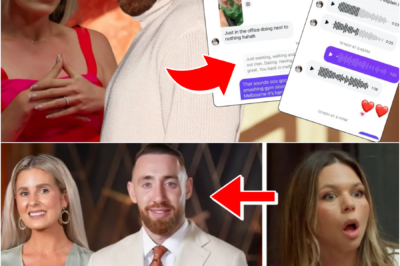
CHE-ATING SCANDAL EXP0SED… — “Da-mning” text messages between Stephanie and Danny shock Married At First Sight fans
Married At First Sight intruder bride Stephanie has thrown cold water on a ‘cheating scandal’ that is set to rock…

CHAIN SNATCH DRAMA TURNS CH*0TIC… — Rapper J. Prince Jr. dragged into controversy after tensions involving a “baby mother,” as situation escalates and shocks many
Reports of a violent confrontation involving a Detroit-based rapper have been spreading rapidly online, drawing attention not only for the…

HE BR3ATHING… — NBA Herm speaks out after sh00ting incident involving NBA Ben 10 sparks online buzz
The phrase “He breathing…” quickly spread across social media after NBA Herm appeared to respond to reports involving NBA Ben…
End of content
No more pages to load