Elon Musk has once again sent shockwaves across the global business world — not for a spectacular rocket launch or a groundbreaking product, but for a staggering $24 billion “bonus” from Tesla, the company he co-founded and leads. This award immediately ranks among the largest executive payouts in U.S. corporate history and exceeds Tesla’s profits over more than two recent years.
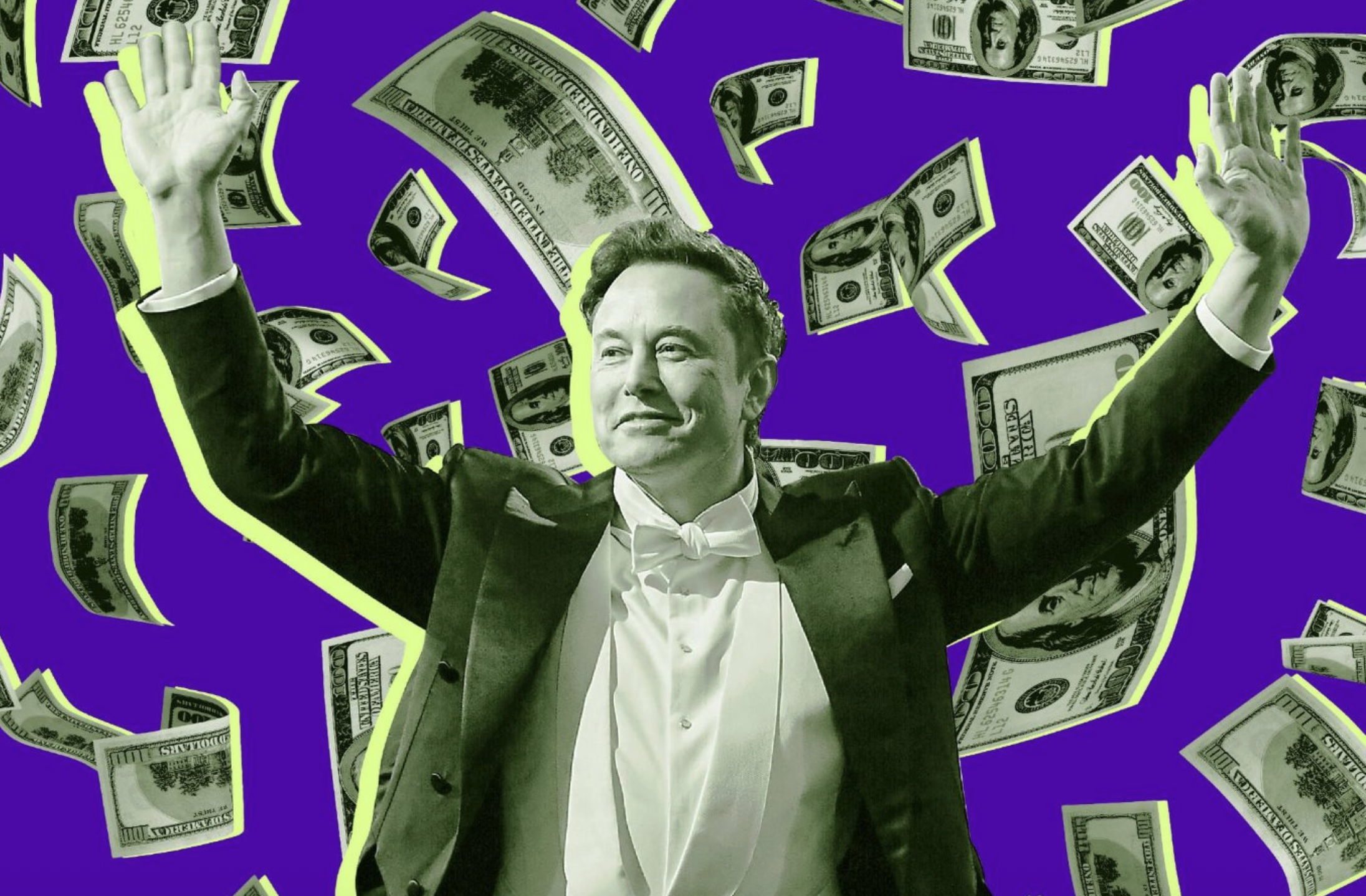
The bonus stems from an interim award of 96 million shares granted to Musk, valued at roughly $24 billion based on the most recent stock price. Tesla describes this move as a “retention incentive” as the company navigates a critical transformation into areas like artificial intelligence, robotics, and autonomous ride-hailing, sectors where Musk has ambitious plans.
The announcement sent immediate ripples through the market. Tesla’s stock price fluctuated amid mixed reactions, with some investors celebrating the move as a strategic reward for the visionary leader they believe is indispensable for Tesla’s continued dominance. Major investment funds even backed the decision, despite criticism from some shareholder advisory groups concerned about the sheer size of the award.
Yet, the backlash was equally intense. Critics called the bonus “outrageous” amid a challenging global economy, emphasizing that Musk already holds an extraordinary personal fortune, now approaching $750 billion. The scale of the payout has sparked heated debates about fairness and corporate responsibility, especially when compared to the earnings of average Tesla employees and small investors.
Another key point of discussion is the comparison between Musk’s stock-based reward and Tesla’s actual profits. Accounting for share issuance costs, large stock awards can significantly dilute corporate earnings, potentially eclipsing Tesla’s net profits over two years if Musk qualifies to receive the full award based on performance targets. This highlights a broader trend in the U.S. corporate world, where CEO compensation has escalated from millions to billions of dollars, often far outpacing the pay of average workers.
Musk’s payout also raises questions about the balance between rewarding performance and maintaining responsibility to shareholders, customers, and society. On one hand, it’s a celebration of the leader at the helm of one of the world’s most innovative tech companies; on the other, it sparks outrage from those who view such enormous personal gain as difficult to justify amid economic uncertainty.
Ultimately, the story of Musk’s $24 billion payday underscores a growing debate over executive compensation, fairness, and the social impact of wealth concentration. It has become yet another defining moment that both captivates and polarizes global audiences, highlighting the complex intersections of innovation, success, and inequality in today’s corporate landscape.
News
Meghan Markle’s Odd Interaction With Gardener That Prompted the Late Queen to Step In Has Everyone Talking
Queen Elizabeth II was reportedly forced to intervene in the situation. Meghan was reportedly spoken to by the late Queen (Image:…
😳🚨 BREAKING: Offset SH0T Near Florida Casino?! “New Footage” Raises Questions
CARDI B’s ex Offset has been hospitalized after getting shot near a popular Florida casino. The rapper was involved in…
THE BIZARRE DETAIL IN Andrew Mountbatten-Windsor’S LATEST SIGHTING HAS EVERYONE TALKING!
Andrew Mountbatten-Windsor seemed determined not to let his Easter snub get him down as he was appeared to be all…

💥 FOUR WORDS — 14-Year-Old Boy in London Told His Mum Before Being Sh0t, Leaving Everyone Heartbroken…
A 14-YEAR-old boy who was allegedly shot dead had told his mum that he was going to film a rap…
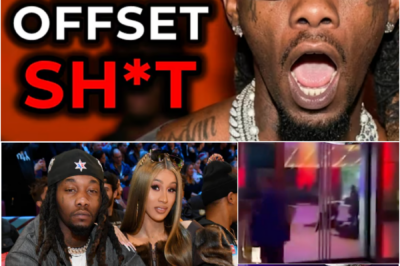
G-U-N HORR0R — Cardi B’s Ex Offset SH0T Near Florida Casino in Sh0cking Att@ck
CARDI B’s ex Offset has been hospitalized after getting shot near a popular Florida casino. The rapper was involved in…
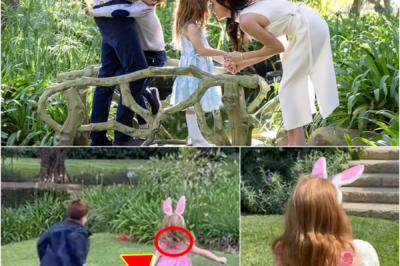
THE STRANGE DETAIL IN Prince Archie & Princess Lilibet’s EASTER CLIP THAT HAS EVERYONE TALKING…
Both of the Duke and Duchess of Sussex’s children inherited Prince Harry’s red hair Meghan Markle during a visit to…
End of content
No more pages to load