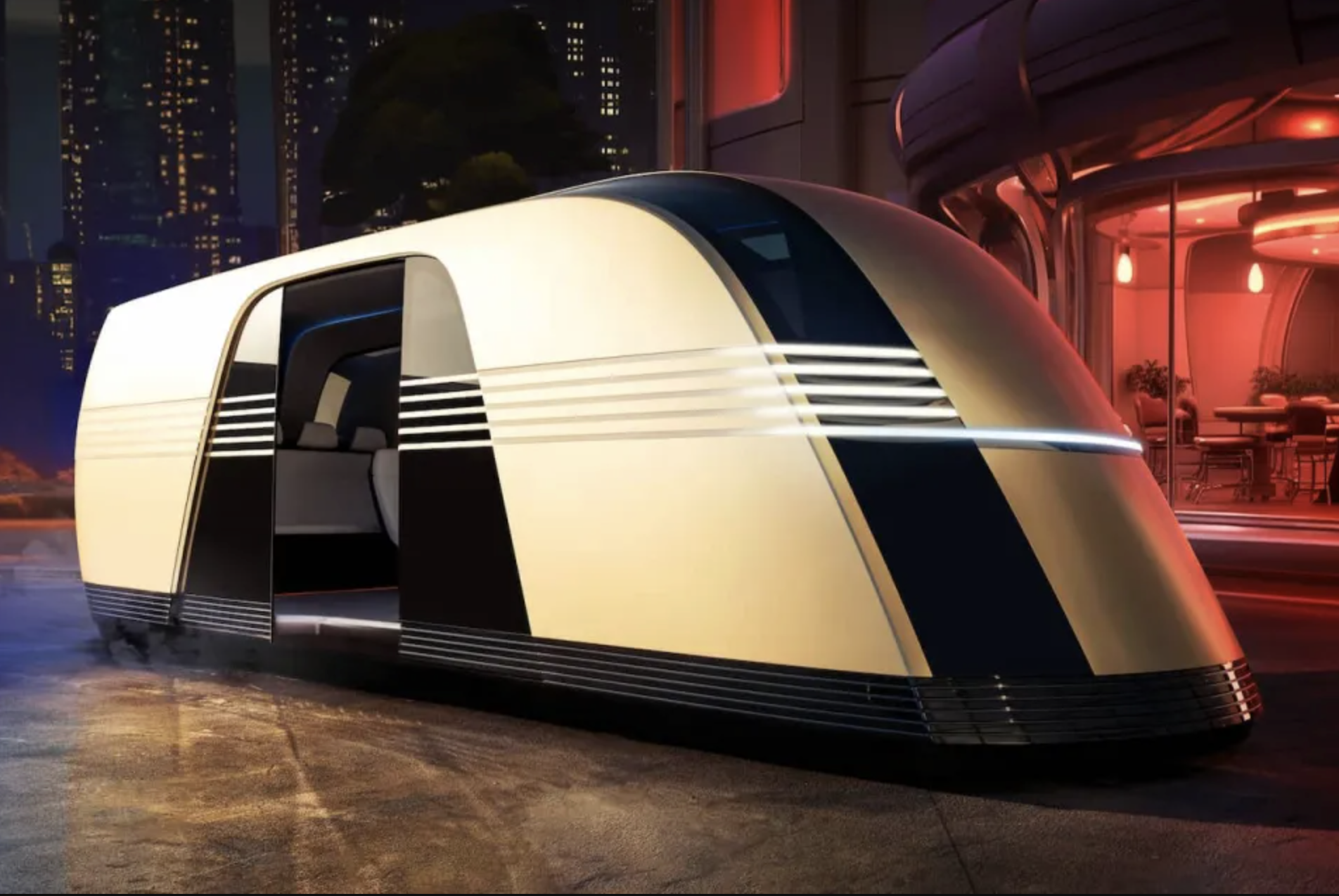
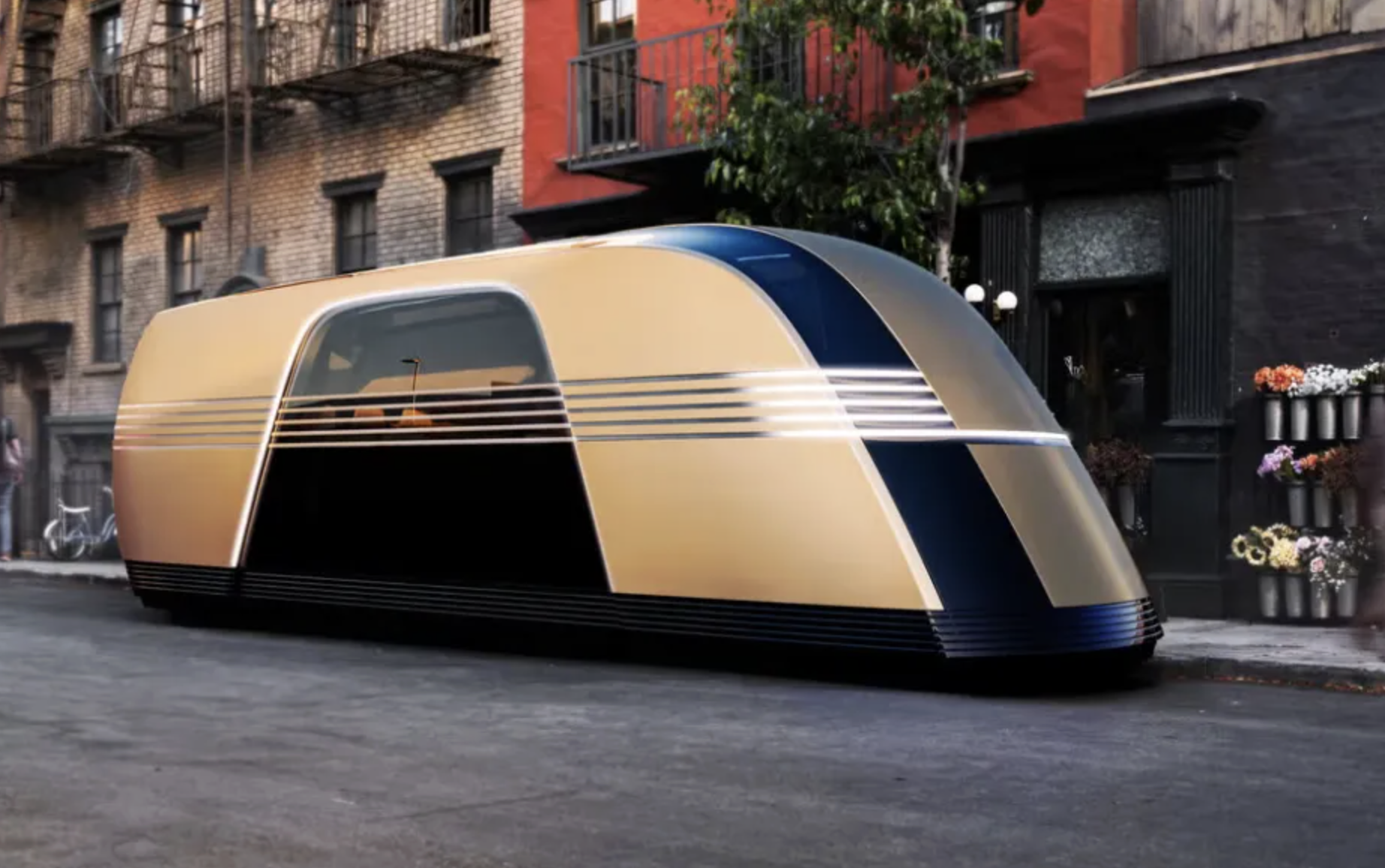
Tesla has once again pushed the boundaries of innovation with the reveal of its 20-seat “Robovan”, a fully autonomous vehicle that blurs the line between a car, a bus, and a mobile living room. The futuristic van, which requires no steering wheel or pedals, is designed to provide passengers with an entirely new commuting and leisure experience, combining luxury, technology, and sustainability.
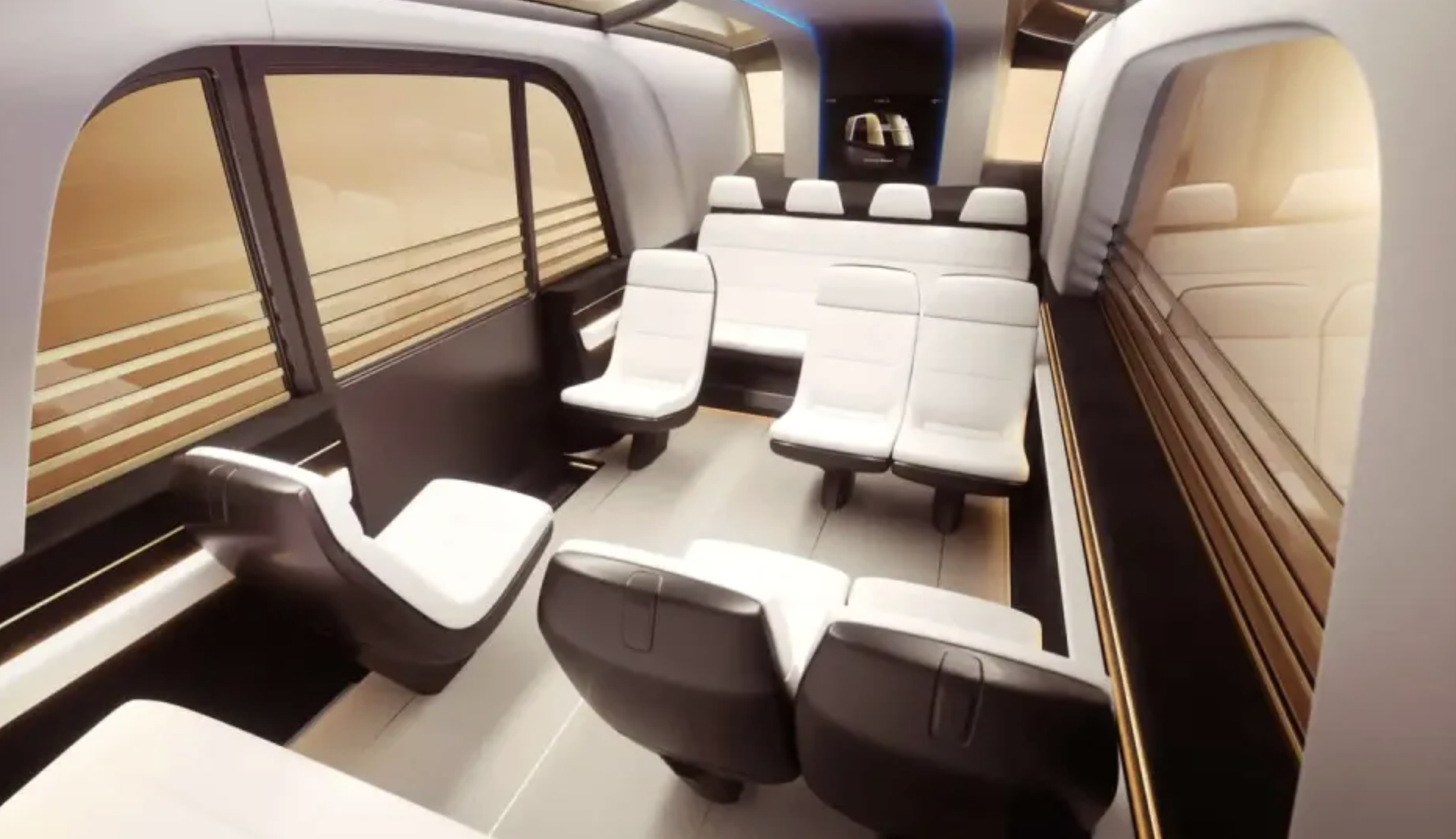
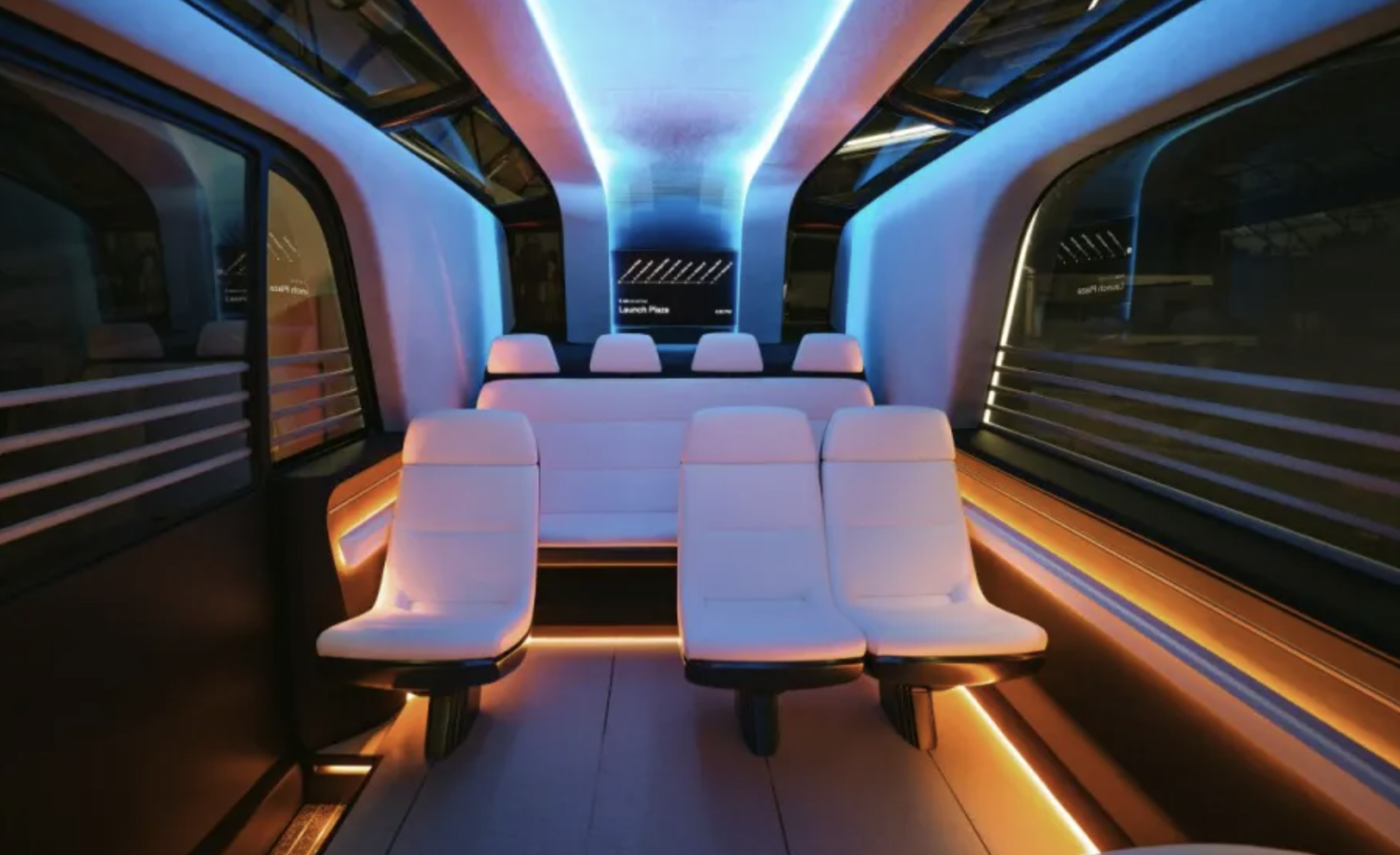
According to Tesla, the Robovan is capable of navigating roads independently using Tesla’s advanced Full Self-Driving (FSD) AI system, allowing passengers to focus on comfort, entertainment, or even work while traveling. The interior is strikingly unconventional for a vehicle: seats are arranged in a lounge-style layout, with facing rows, ample legroom, and large panoramic windows that let in natural light. Screens at the front and rear of the cabin display route information, entertainment, and potentially advertisements for commercial versions.
With 20 seats, the Robovan is one of Tesla’s most ambitious autonomous projects. Its standard layout offers a combination of seated and standing space, optimizing passenger capacity for urban transit, corporate transport, or family use. Tesla’s engineers designed the interior for flexibility, including foldable tables, retractable storage compartments, and modular seating that can be adjusted depending on the journey or passenger needs.
The vehicle also features self-leveling suspension, which automatically adjusts the ride height according to road conditions and load, ensuring a smooth ride for all passengers. The exterior reflects Tesla’s signature sleek and futuristic aesthetic, with aerodynamic curves, sliding doors, and panoramic sunroofs. Sustainability is central to the design: the Robovan is fully electric and expected to be extremely energy-efficient, with preliminary estimates suggesting operating costs as low as 30 cents per kilometer, making it an attractive alternative to conventional urban transport.
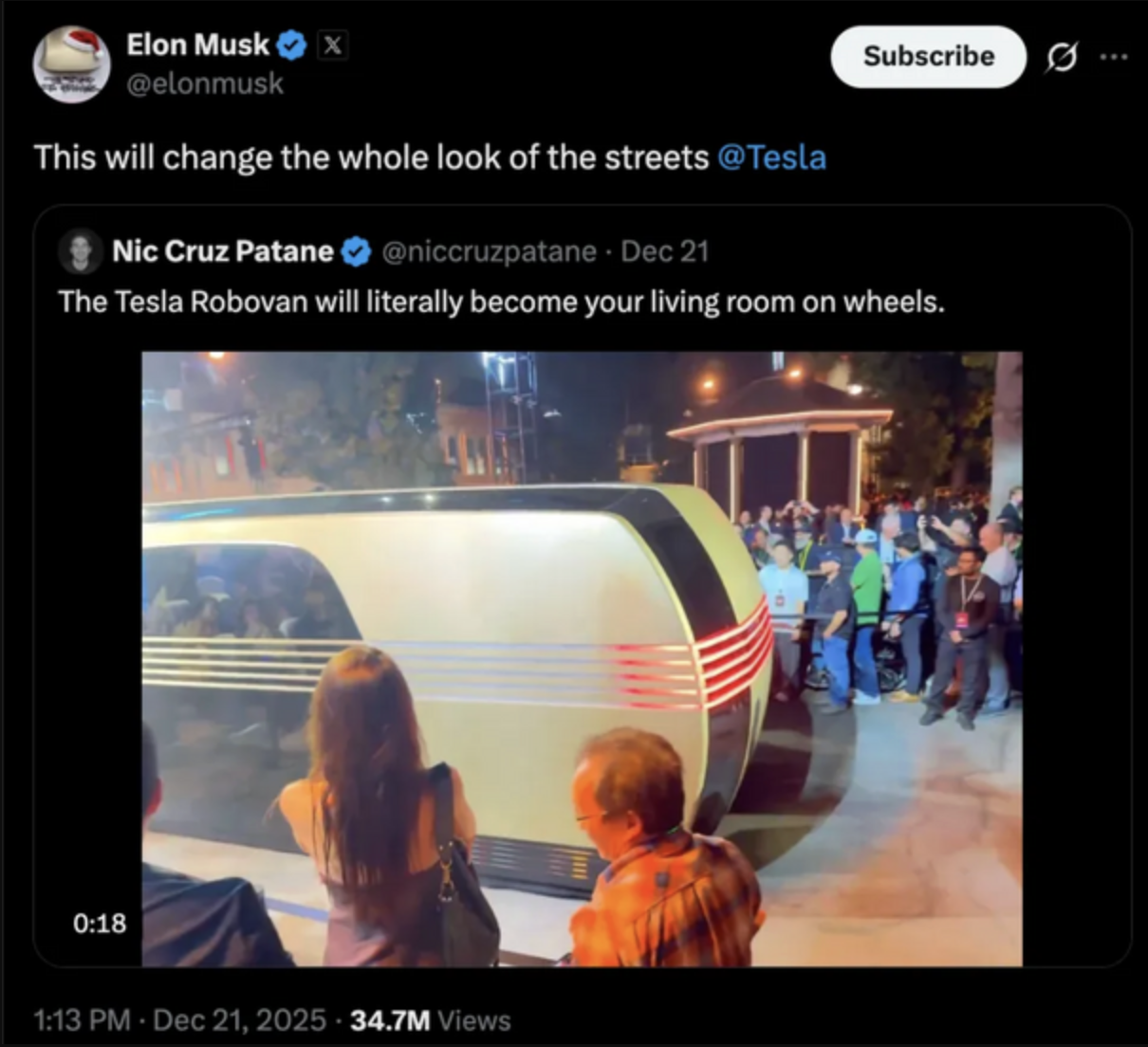
Beyond its technological capabilities, the Robovan is marketed as a mobile living space. Musk envisions it as a vehicle where people can relax, socialize, or even hold meetings while commuting. This approach redefines what a vehicle can be in the 21st century, combining Tesla’s electric mobility expertise with concepts typically reserved for futuristic smart homes.
Public reaction to the Robovan has been enthusiastic but skeptical. While many see it as a breakthrough for autonomous transit and urban mobility, questions remain about safety, regulation, and practical implementation. Critics point out that real-world deployment will require extensive testing, integration with city infrastructure, and adjustments to legal frameworks for fully driverless vehicles.
Despite these challenges, Tesla’s Robovan has already captured the imagination of tech enthusiasts and the general public alike. A 20-seat, fully driverless mobile living room is no longer science fiction—it’s on the horizon, promising to revolutionize commuting, urban transport, and the very concept of personal mobility.
With Elon Musk leading the charge, the Robovan may soon become a tangible reality, signaling a future where people can travel comfortably, sustainably, and independently, all while seated in what feels more like a lounge than a traditional vehicle.
News
💥 “THE DOOR WAS KICKED IN… I WAS ARRESTED RIGHT IN FRONT OF THE ENTIRE COMPANY” — The CEO Stood Behind the Glass, Smiling, Thinking His Perfect Setup Had Worked… But a 2:47 AM Post Destroyed Everything! 😱🔥
PART 1 They Kicked Down My Office Door And Arrested Me In Front Of Everyone I’d Worked With For Eleven…

Harry Left Out During Easter? Selfie Sparks Online Uproar While Royal Family Stays Silent — Could He Be Feeling Abandoned?
The freestyle ski champion shared the photo on Instagram on Thursday, April 2 Prince Harry, Eileen Gu and Justin Trudeau.Credit…

💔 GABRIELLE UNION HEARTBROKEN — Shares Tearful Tribute to Her Father After His Sudden P@ssing, Revealing the Depth of Her Grief and the Unforgettable Impact He Had on Her Life…
NEW YORK, NEW YORK – APRIL 29: Gabrielle Union attends the Prime Video’s “The Idea Of You” New York premiere…
RALO BREAKS HIS SILENCE — Teases Hidden Details About Pooh Shiesty’s Alleged Showdown, Leaving Fans Sh0cked and Questioning What Really Happened Behind the Scenes
NEW YORK, NEW YORK – FEBRUARY 18: Ralo attends Ralo’s “Chosen” Book Release Gathering Hosted By Angela Yee And Torae…

Memphis Rapper ROBBED His CEO in Front of 2 Officers & an Informant!?
A controversial incident involving Memphis rap star Pooh Shiesty, his father, and none other than Gucci Mane has resurfaced online,…
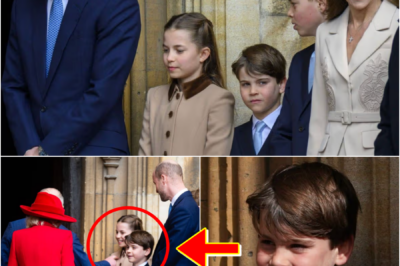
👑 THE TWO WORDS THAT MELTED THE INTERNET — Prince Louis’ Sweet Comment to King Charles Sparks Heartwarming Buzz…
Prince Louis melted hearts with a sweet ‘Happy Easter’ greeting to his grandfather King Charles at the Windsor service, as…
End of content
No more pages to load