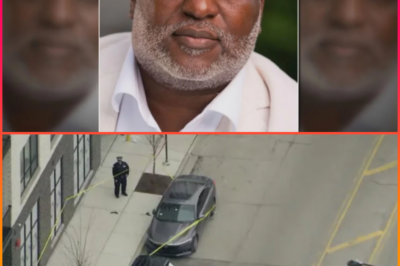
In the early hours of February 28, 2026, the city of Detroit was rocked by news that spread quickly from neighborhood to neighborhood: Michael “Mike B.” Brown — restaurateur, entrepreneur, and founder of Sloppy Chops and Sloppy Crab — had been shot and killed. The incident occurred just after 4 a.m. outside Suite 100 nightclub on Schaefer Highway. He was 52 years old.
Two other individuals were also struck by gunfire that morning. Both survived. Mike B. did not.
In the days that followed, shock turned into grief — and then into something else: unease. Weeks later, the case remains unsolved. There have been no arrests, no publicly identified suspects, and very few details released by investigators. For many in Detroit, the silence has become just as unsettling as the crime itself.
Mike B. was more than a business owner. Through Sloppy Chops and Sloppy Crab, he built a brand that resonated with the community — known not just for food, but for atmosphere, connection, and local pride. His restaurants drew loyal crowds and helped anchor a growing business presence along key parts of the city. Friends and patrons describe him as a figure who understood Detroit — someone who invested in it, believed in it, and thrived alongside it.
That’s part of what makes the lack of answers so difficult to process.
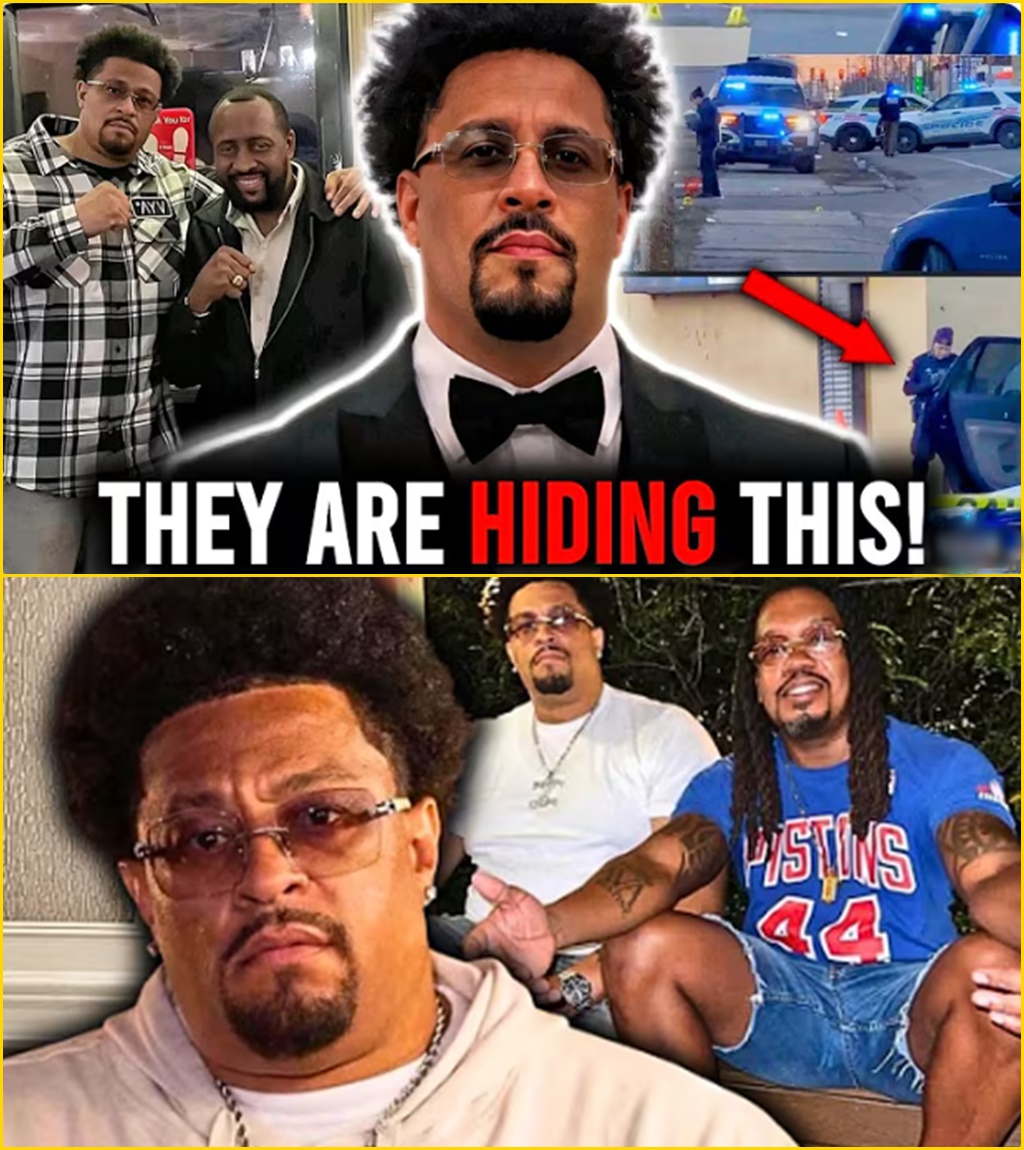
According to initial reports, the shooting happened in the parking area outside the nightclub during what would typically be the tail end of a busy night. But beyond that, key questions remain unanswered. What led up to the shooting? Was Mike B. specifically targeted, or was he caught in a broader incident? Who else was present in those final moments? And perhaps most concerning — what happened in the critical window of time before and after the gunfire?
It’s this “gap” in the timeline that has drawn increasing attention.
While law enforcement has confirmed that they are reviewing evidence, including surveillance footage and witness statements, very little of that information has been shared publicly. There has been no clear reconstruction of Mike B.’s final movements, no detailed account of the sequence of events, and no indication of a motive. For a case involving a well-known public figure, the absence of such details feels unusual to many observers.
In communities across Detroit, conversations have shifted from mourning to questioning. Some residents wonder whether crucial information is being withheld to protect the integrity of the investigation. Others worry that the lack of transparency could allow key leads to slip away, or even signal that the case is growing cold.
At the same time, those closest to Mike B. are left navigating an even more painful reality: the loss of a loved one without answers. For them, this isn’t about speculation — it’s about closure, accountability, and justice.
The broader impact is undeniable. When a figure as visible as Mike B. is killed under circumstances that remain unclear, it sends ripples through the entire city. It raises concerns about safety, about trust, and about whether justice will ultimately be served.
For now, the investigation continues — quietly, and largely out of public view.
But the questions remain, hanging over Detroit like an unfinished story.
What really happened in those early morning hours?
Why has so little been revealed?
And most importantly — who is responsible?
Until those answers come, one thing is certain: the silence surrounding Mike B.’s death is becoming part of the story itself.
News
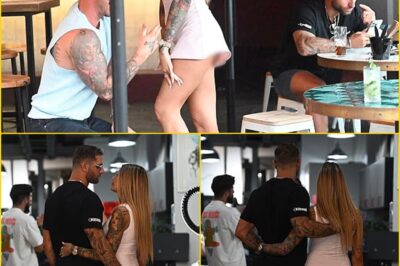
Love Triangle Brewing? Gia Fleur & Chris Robinson Go Permanent with Matching Ink — Scott McCristal Left on the Outside!
Married At First Sight besties Gia Fleur and Chris Robinson solidified their friendship during filming as they took a trip to…
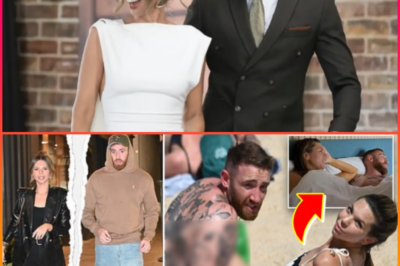
THE CAMERAS DIDN’T SHOW THIS — Bec Zacharia’s Savage Comment About Danny Hewitt Sparks New Scandal
The Married At First Sight (MAFS) 2026 cast have started to go rogue on TikTok while the show is still airing, so…

YOU BROKE US — NOT ME — Sam Stanton Hits Back at Chris Robinson, Blaming Gia for Relationship Collapse in SH0CK Twist
EXCLUSIVE: After two weeks of watching Sam and Chris grow apart, Sam finally ended their marriage for good in Tuesday night’s episode of MAFS. Speaking to nine.com.au,…
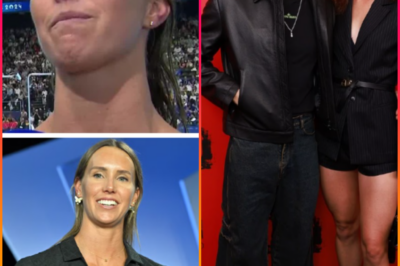
NOT EVERYTHING WAS AS PERFECT AS IT SEEMED — Emma McKeon Reveals Truth Behind Split from Cody Simpson in Emotional First Interview
Aussie sporting great Emma McKeon has opened up about how she is moving on following her shock split with fellow swimmer Cody…
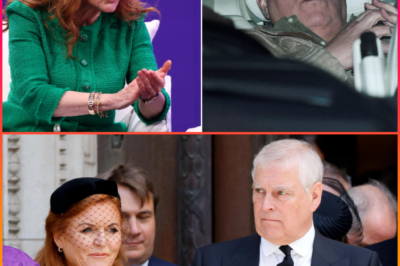
SHE’S LOST EVERYTHING… — Sarah Ferguson Stripped of Freedom of City of York Title in Unanimous Vote After Royal Fallout
She previously lost her Duchess of York title when King Charles stripped Andrew of all his titles. Sarah Ferguson has…
HE WAS JUST WALKING TO WORK… — Chicago Contractor Sh0t De-ad Near United Center in Broad Daylight, Family Reveals Heartbreaking Final Moments
CHICAGO (WLS) — A Chicago contractor was shot and killed near United Center on Tuesday, his family told ABC7. Jerry Lewis…
End of content
No more pages to load