
South Africa was left reeling this week as chilling details surfaced in court surrounding the fatal shooting of DJ Warras, a beloved figure whose death has shaken the music community and the nation at large. What has horrified many is not only the violence itself, but the allegation that his life was allegedly ordered for as little as R7,000—a figure that has sparked outrage and disbelief across Mzansi.
At the center of the case is Armindo Pakula, who appeared before the Johannesburg Magistrates Court facing charges linked to the shooting. The courtroom was tense as prosecutors outlined the seriousness of the allegations, emphasizing that this was not a random act of violence but a calculated crime allegedly driven by money.
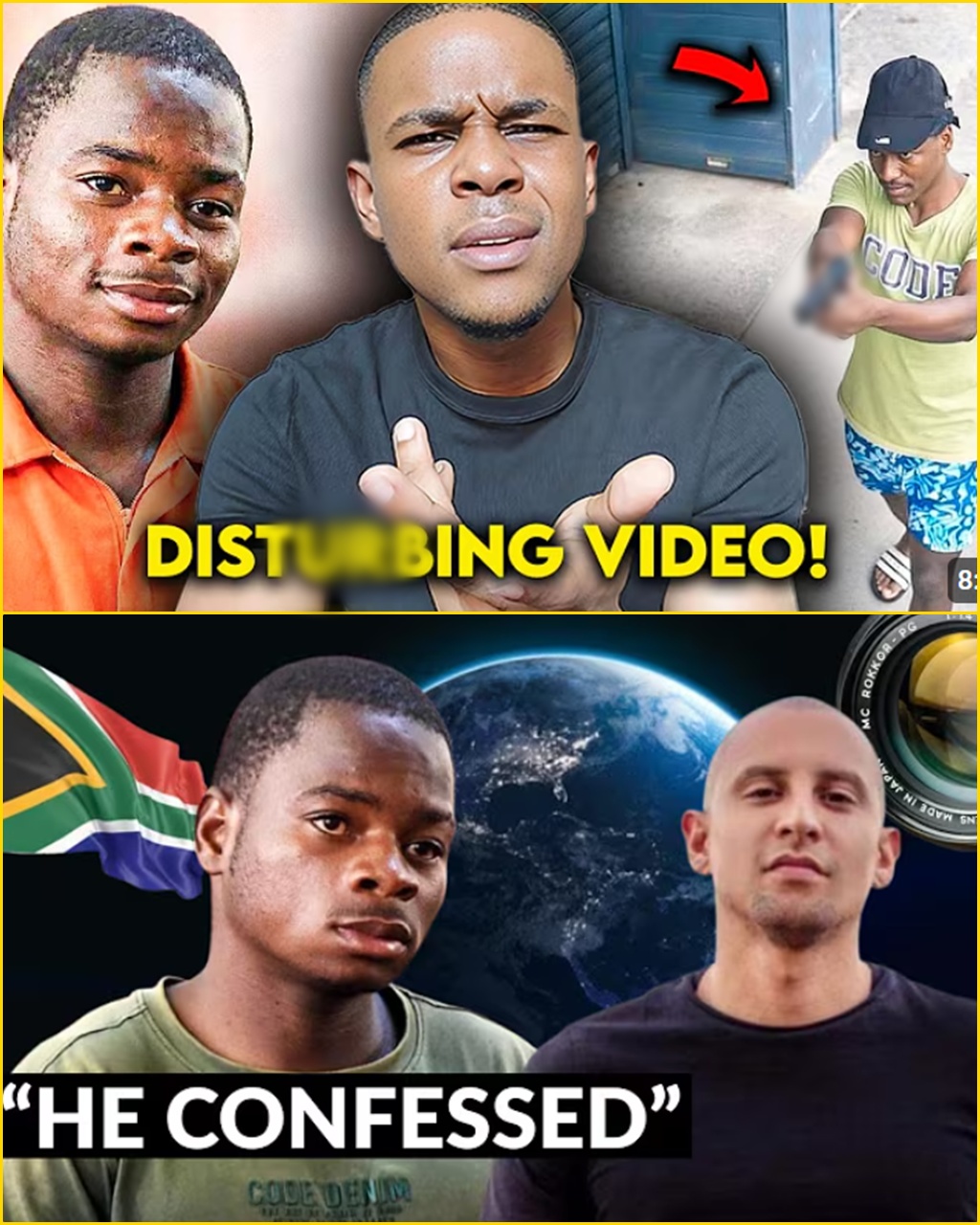
DJ Warras, known for his vibrant presence and influence in local music circles, was more than just an entertainer. Friends and fans describe him as a community figure—someone who uplifted others, mentored young talent, and brought people together through music. His death has left a void that cannot be measured in rands or cents.
According to court proceedings, investigators are working to establish the full chain of events that led to the fatal shooting. While details remain under investigation, the suggestion that such a small sum could be connected to the alleged hit has ignited a national conversation about crime, desperation, and the erosion of the value of human life.
“This is evil,” one social media user wrote, echoing the sentiments of thousands reacting to the case. Others questioned how society has reached a point where violence of this magnitude could be tied to such a modest amount of money. The case has become a symbol of deeper issues—economic pressure, organized crime, and the vulnerability of public figures.
Inside the courtroom, the magistrate stressed that the investigation is ongoing and that all accused parties are presumed innocent until proven guilty. Prosecutors, however, argued that the seriousness of the crime demands a thorough and uncompromising pursuit of justice. The state indicated that further evidence may still come to light as the investigation continues.
Legal analysts note that cases like this often involve complex networks, where the person accused of pulling the trigger may not be the one who conceived the crime. Establishing motive, intent, and the roles of all involved parties will be crucial in determining accountability.
Outside the court, supporters of DJ Warras gathered in quiet solidarity. Some held photos, others lit candles, while many simply stood in silence—grappling with grief and anger. For them, this is not just a legal case; it is a personal loss.
The music industry has also responded, with fellow DJs and artists calling for justice and greater protection for creatives. Several have pointed out that public figures are increasingly vulnerable to targeted violence, often with little warning and devastating consequences.
As the case moves forward, South Africans are watching closely. The question is no longer just who is responsible, but how such crimes can be prevented—and whether justice will truly be served. The alleged R7,000 figure has become a haunting symbol, not just of the crime itself, but of the fragile line between life and death in a society struggling with violence.
For now, the court has adjourned, and the investigation continues. What remains is a community in mourning, a nation demanding answers, and a legal system under pressure to ensure that DJ Warras’ death is not reduced to a shocking headline—but becomes a turning point in the pursuit of accountability and justice.
News

£50K ON THE LINE — Married At First Sight Australia Groom Danny Risks It All in Explosive Lie Detector Showdown
MAFS Australia‘s Danny Hewitt is taking things to the next level as he fights to clear his name, even offering…
THEY WERE ALREADY INSIDE… — CCTV F0otage Uncovers Sh0cking Twist in Vi0lent Home Invasion Spree
A wild crime spree involving alleged home invasions and carjackings has led to the arrest of five teenagers. Police say…

A HEART OF GOLD… GONE IN SECONDS — Ian Burnett Di-es Alongside Grandson in Tragic Farming H0rr0r
The grandfather who died alongside his grandson when machinery rolled into a central Queensland dam at the weekend is being…

NOTHING HAS CHANGED — Anth0ny Albanese Issues Stark National Warning as Fuel Fears Escalate
Anthony Albanese delivered a rare address to the nation at 7pm. The Prime Minister outlined the federal government’s response to the…
A CHAOTIC FINAL MOMENT… — Dezi Freeman opens fire with stolen gu-n before dy-ing in a vi0lent sh0otout, police reveal possible unseen accomplices
The seven-month manhunt for Dezi Freeman ended in a hail of bullets outside his hiding place in north-east Victoria, with the…
HE FIRED FIRST… — Fugitive Dezi Freeman allegedly sh00ts stolen gun twice before being gu-nned down in dramatic police showdown
The seven-month manhunt for Dezi Freeman ended in a hail of bullets outside his hiding place in north-east Victoria, with the…
End of content
No more pages to load