Elon Musk’s first marriage, to Canadian author Justine Musk, began like many others — with ambition, belief in a shared future, and the quiet assumption that love would somehow grow alongside success. They met young, built a life together, and eventually welcomed five sons. From the outside, it looked like the foundation of a forever marriage. Inside the home, Justine later revealed, the cracks were widening long before the world noticed.
As Elon’s career accelerated at a breathtaking pace, Justine has said she felt herself slowly disappearing from the relationship. In essays and interviews, she described a marriage marked by emotional distance, diminishing intimacy, and a growing imbalance of power. Even after childbirth and profound personal loss — including the death of their first son as an infant — she tried to hold the family together. She believed marriages went through hard seasons, and she was willing to endure one.
But then came the moment that ended everything.
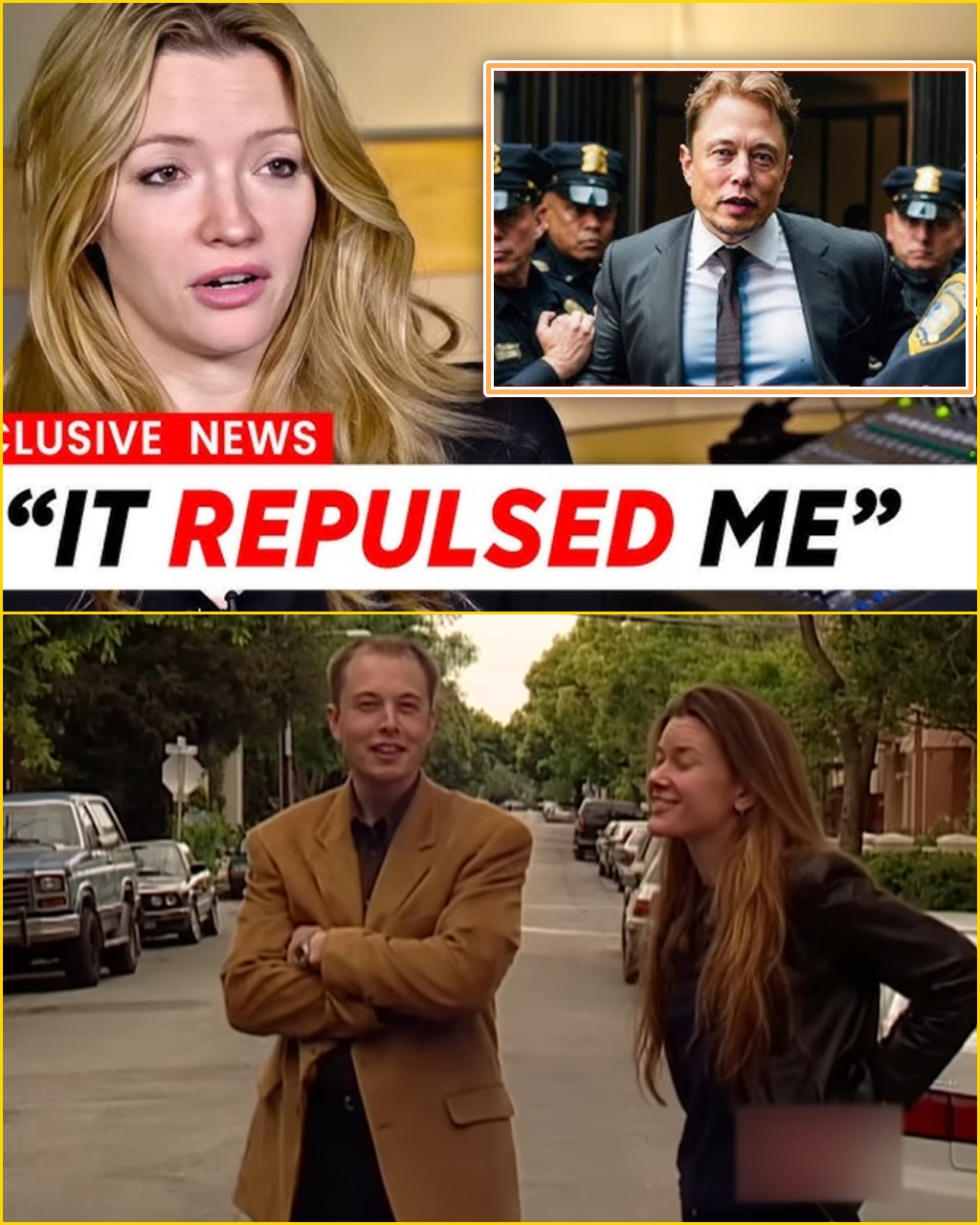
According to Justine’s own account, the defining blow was not a dramatic argument or a public scandal — it was a message. Elon informed her by text that he was engaged to British actress Talulah Riley. There was no warning, no conversation, no attempt to soften the impact. Just a statement that made one thing brutally clear: the marriage was already over, and she had not been part of the decision.
That text didn’t just announce a new relationship. For Justine, it confirmed years of feeling sidelined, unheard, and replaceable. She later described it as the instant when confusion turned into clarity. The love she had been trying to save was no longer mutual.
There was also another incident she has pointed to as symbolic of the deeper problem. Earlier in the marriage, after expressing unhappiness, she says Elon told her that if she didn’t “fix” herself, he would replace her. In another moment she later recounted, he declared himself “the alpha” in the relationship. Whether meant literally or not, those words crystallized the dynamic she could no longer live with.
The divorce that followed was painful, highly public, and emotionally draining. Custody arrangements, financial negotiations, and media attention added layers of stress to an already broken chapter. Yet in hindsight, Justine has framed the divorce not as a failure, but as a reclamation.
So how is Justine Musk now?
Today, she is known less as “Elon Musk’s ex-wife” and more as a writer who speaks openly about identity, power, and self-worth. She has published novels, essays, and widely read reflections on relationships and ambition. Perhaps most notably, she has become a voice for women navigating marriages with highly driven, dominant partners — warning that proximity to greatness can come at the cost of one’s own voice if boundaries are lost.
Justine has said that leaving the marriage forced her to rebuild from the ground up, but it also gave her something she hadn’t felt in years: agency. She describes herself as stronger, clearer, and no longer willing to disappear to support someone else’s vision.
The defining moment, then, wasn’t just a text message announcing an engagement. It was the realization behind it — that staying meant erasing herself, and leaving meant finally choosing her own life.
And in that sense, the divorce was not the end of her story — it was the beginning.
News
FINAL VOWS TURN ICE-COLD AS HE WALKS AWAY! David Momoh shocks viewers with a ruthless confession that leaves Alissa Fay humi-liated at the altar and fans reeling
David Momoh left viewers, and his bride, stunned during Tuesday’s Married At First Sight when he walked out on his Final Vows….

SHE FOUGHT TO SAVE HIM… AND STILL LOST! In a chilling account, a nurse reveals how she battled against the odds to save a young scooter rider in a tragic Easter crash
A nurse who gave CPR to a young scooter rider fatally injured in a collision with a car says she will not…

FINAL NIGHT TURNS VICIOUS! Emotions boil over in a ruthless double elimination that blindsides the cast — tears, betrayal, and one last explosive twist prove no relationship is safe in this jaw-dropping MAFS finale recap!
Two smug Married At First Sight wives arrive for final vows on Tuesday night thinking they’re about to reject men…
‘PRODUCERS DIDN’T WANT YOU TO SEE THIS’: Danny & Chenelle’s Secret Moments EXPOSED — The Truth Behind the ‘Stolen Match’ Scandal
The Married At First Sight (MAFS) 2026 backup brides have spoken out about their brief experience on the reality show, and it sounds way messier…
FAMILY’S B0MBSHELL CLAIMS ROCK CASE: Loved Ones of Kevin “Tugg” Watson Accuse Chicago PD of Ign0ring Crucial Evidence
The family of Kevin “Tugg” Watson has come forward with explosive allegations that are shaking public confidence in the investigation…
MOMENTS BEFORE THE GU-NSH0TS: Offset Spotted Smiling With Fans Outside Florida Casino — Then Chaos Erupted
Rapper Offset was shot Monday in Florida, just moments after he was spotted smiling and posing with fans at a casino, according…
End of content
No more pages to load