JAY‑Z DECLARES HIMSELF UNBEATABLE IN A VERZUZ: ‘There’s No Chance Anyone Can Stand On That Stage With Me’ Sparks Heated Hip‑Hop Debate
Jay‑Z has never been shy about his place in hip‑hop history—but his latest remarks have lit a fuse in the rap community. In a resurfaced audio clip from a 2021 Twitter Spaces session, the mogul boldly claimed that no rapper alive could last a full two hours against him in a Verzuz battle. “There’s no disrespect,” he said. “I’m just telling you guys the real. There’s not a chance in hell that anyone can stand on that stage for… two hours.”
The statement immediately triggered waves of debate across social media platforms. Supporters argued that Jay‑Z’s catalog, longevity, business savvy and influence give him an unassailable position. Critics, however, saw it as ego‑driven, dismissing his claim as bragging that overlooks a new generation of lyricists and hitmakers.
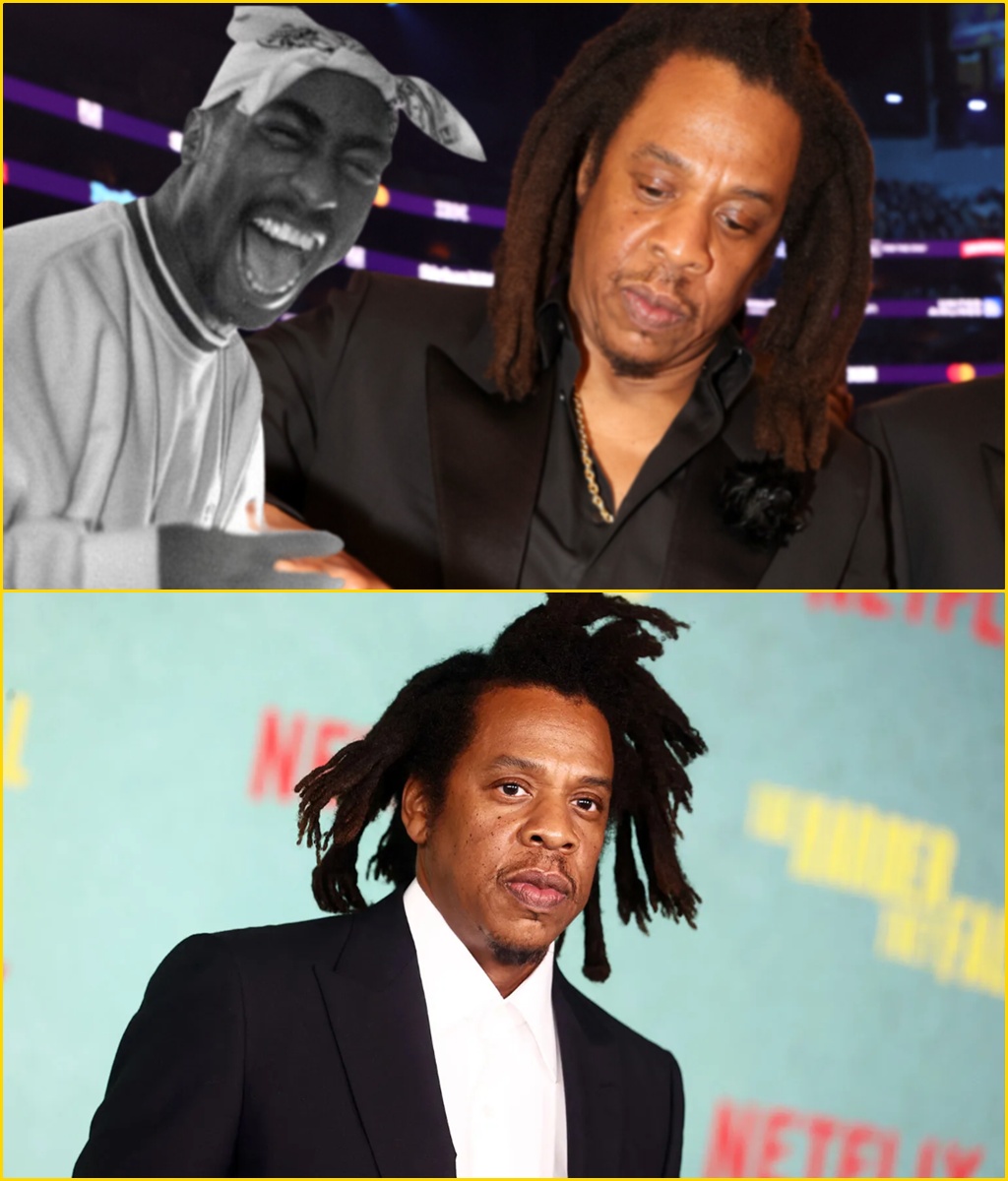
Why the Claim Matters
Verzuz Platform: Originally created by Swizz Beatz and Timbaland during the pandemic, Verzuz stands for more than nostalgia—it’s become a live barometer for which artists still carry cultural weight. Jay’s claim throws a gauntlet down.
Legacy vs. New Era: Jay‑Z’s claim pits two eras of hip‑hop against each other. On one side: careers built on mixtapes, albums and street credibility. On the other: streaming‑era hitmakers, algorithm stars and viral sensations. His statement frames the conversation around “who defines greatness.”
Catalog Depth & Stamina: Jay is referencing not just songs, but stamina—the idea that performing live for hours, dropping hits back to back, maintaining the crowd’s energy—is part of what makes a true challenger.
Business + Music Fusion: Jay‑Z isn’t just rapper‑in‑chief; he’s an entrepreneur, label head and cultural icon. His self‑assessment reflects his belief that influence in hip‑hop goes beyond mic skills—it includes institutional power.
Reaction in the Community
Many fans on X (formerly Twitter) responded with memes: some applauded the claim (“Facts, Hov untouchable”), some mocked it (“Did he just challenge Eminem, Drake and Kendrick at once?”).
Reddit threads split: some users defended JAY’s blueprint, others argued newer artists like Drake, Kendrick Lamar or Eminem could match or beat him in a modern‑day bar battle.
Industry voices weighed in: a few suggested that if Jay actually agreed to a Verzuz showdown, it would be the event of the decade. Others said the risk is too big—there’s too much to lose.
The Core Question
Is Jay‑Z’s claim arrogance—or accurate?
On the “legacy” side: albums like Reasonable Doubt, The Blueprint, The Black Album and 4:44 are widely regarded as classics. His business moves, Roc Nation, streaming ventures—he’s stacked credentials.
On the “verse” side: skills, relevance, youth culture keep evolving. Rivals point out that newer artists have hits, streaming numbers, cultural momentum that Jay may have stepped away from.
What’s Next
If Jay‑Z ever enters a full‑scale Verzuz event, it will likely be a spectacle—sold‑out, global livestream, massive pressure.
Even without a match, the claim will hang over hip‑hop conversations for years: “Can anyone really stand on the stage with Hov?”
For fans and artists alike, the debate falls into two camps: greatest by legacy vs. greatest by present impact. Jay‑Z’s statement forces the split.
Final Thought
Whether Jay‑Z is truly “untouchable” in a Verzuz may never be resolved—but his bold declaration has already shifted the playing field. In saying “no one can stand on that stage with me,” he’s not just talking about battling for songs—he’s staking a claim to cultural supremacy. And in hip‑hop, where bravado is half the game, sometimes the claim becomes the event.
Caption:
When Jay‑Z says that no rapper alive could last two hours on a Verzuz stage against him, the hip‑hop world stops, stirs and watches. Is this swagger—or prophecy?