
Disturbing new developments have emerged in the murder case of DJ Warras, sending shockwaves through South Africa as investigators piece together what police describe as a carefully planned killing motivated by money and local business disputes.
Armindo Pacula, who was arrested in Germiston, is now at the center of the investigation after police allege they uncovered critical evidence linking him directly to the shooting. According to law enforcement sources and reporting by News24, Pacula was apprehended at a hideout in the Marathon settlement, where officers allegedly made a discovery that immediately raised alarm bells.
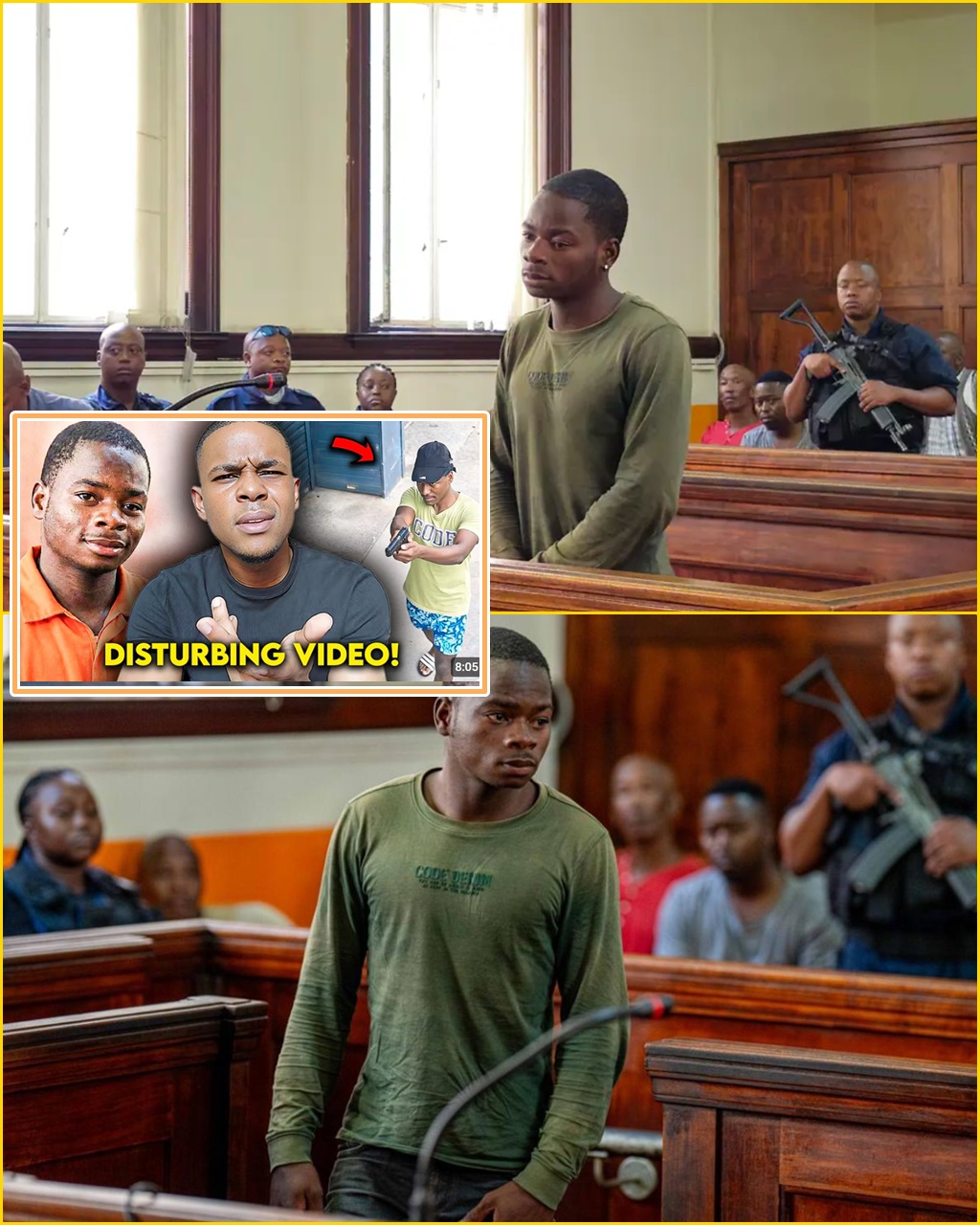
Inside a dustbin at the residence, police reportedly found freshly cut dreadlocks—an eerie detail that closely matched early descriptions of the shooter released after DJ Warras was killed. At the time, witnesses had described a suspect with dreadlocks fleeing the scene. The discovery has since become a key piece of circumstantial evidence in the case.
Even more explosive are claims surrounding an alleged confession.
Police allege that Pacula voluntarily confessed before a magistrate at the Tsakane Magistrates’ Court, a step that gives the statement significant legal weight if it is admitted as evidence. According to these allegations, Pacula claimed he was hired to carry out the murder for R7,000—far less than the R25,000 he says he was initially promised.
The alleged confession does not stop there.
Pacula reportedly named Victor Majola as the person he claims orchestrated the hit, describing him as the mastermind behind the killing. Investigators allege the motive was tied to disputes over rent collection linked to the Zambezi Building, suggesting the murder may have stemmed from a bitter financial conflict rather than a random act of violence.
DJ Warras, whose real name has not been formally released in court proceedings, was a well-known figure in the local music scene. Friends and fans have described him as passionate, hardworking, and deeply embedded in his community. His death sparked outrage and grief, with many questioning how someone so visible could be gunned down so brazenly.
The alleged R7,000 payment has become one of the most shocking aspects of the case. On social media, South Africans have reacted with fury and disbelief, calling the amount “inhumane” and “evil,” while demanding justice for the slain DJ.
Legal experts caution, however, that all allegations must still be tested in court. While a confession before a magistrate is serious, the defense may still challenge the circumstances under which it was made, as well as the credibility of other evidence presented by the state.
Authorities have emphasized that the investigation is ongoing and that further arrests are not being ruled out. Prosecutors are expected to oppose bail, citing the severity of the crime and the potential risk to the public.
As the case unfolds, it has become more than just a murder trial—it has ignited broader conversations about contract killings, economic desperation, and the growing normalization of violence in everyday disputes.
For now, DJ Warras’ family and supporters are left waiting for the justice system to do its work. What remains undeniable is that each new revelation deepens the tragedy—transforming a beloved DJ’s death into a haunting reflection of how cheaply a human life is sometimes treated.
News

I’M NOT GOING TO FINAL VOWS! — David Momoh STORMS OUT of MAFS after sh0cking discovery about Alissa Fay’s flirty backup groom date
Alissa Fay and David Momoh reached a breaking point in their relationship over the final task on Tuesday’s Married At First…
SHE SNAPPED… THEN JUST WALKED AWAY — Bec Zacharia seen barefoot, shattered and alone after explosive breakdown forces sh0ck MAFS exit
She has been at the centre of some of the season’s most explosive moments. But Married At First Sight bride…
SHE USED ME FOR MY MONEY! — Scott’s emotional meltdown exposes sh0cking truth behind split with Gia Fleur
Scott McCristal was left devastated after Gia Fleur fled the experiment on Tuesday’s episode of Married At First Sight. The 33-year-old…
THE PERSON HE TRUSTED MOST… — Police track mystery associate whose secret journeys led to Dezi Freeman’s final hideout
Police were led to double police killer Dezi Freeman by tracking a car which made repeated trips between Porepunkah and the Thologolong property…
HE WASN’T ALONE… BUT WHY? — Police uncover who assisted Dezι Fɾeeman on the run in a remote campsite
A fresh manhunt is underway to track down those who helped Australia’s most wanted fugitive evade authorities for seven months….
THE HIDDEN HAND BEHIND THE ESCAPE… — Dezι Fɾeeman’s secret helper revealed, but the full story is more twisted than the hunt itself
A fresh manhunt is underway to track down those who helped Australia’s most wanted fugitive evade authorities for seven months….
End of content
No more pages to load