Plane crash claims lives of instructor and trainee: A distress call was made 27 seconds after takeoff
A routine training flight at Flight Training Adelaide ended in a horrific tragedy on April 29, leaving behind profound grief and pressing questions regarding aviation safety. The Diamond DA42 aircraft, carrying the aspirations of a 29-year-old flight instructor and his 24-year-old trainee, was reduced to wreckage in an instant as it plunged into a hangar.
27 Seconds of Destiny
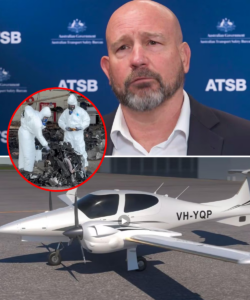
The accident was not only a deep emotional shock but also a complex technical challenge for investigators. According to preliminary findings from the Australian Transport Safety Bureau (ATSB), the disaster unfolded with terrifying speed. Less than half a minute after takeoff, at an altitude of just 115 feet (approximately 35 meters), the radio silence was shattered by the urgent voice of the instructor, Robert Hoyle, who reported: “Engine failure.”
Those were the final words transmitted from the cockpit. An eerie silence followed, ending any hope for recovery. Security camera (CCTV) footage from the scene reveals the erratic movements of the Diamond DA42: the aircraft veered left, attempted to realign, then veered left once more before completely losing control and slamming into the hangar. The devastating impact claimed the lives of both pilots and left nine ground staff injured, requiring urgent hospital treatment.
The Ghost of “Metal Fatigue” and Internal Fractures
The examination of the wreckage has opened a critical line of inquiry regarding material integrity. ATSB investigators discovered evidence that the nose landing gear actuator rod had fractured due to fatigue, preventing the gear from fully retracting during the flight—a malfunction that created dangerous, uncontrollable variables.
ATSB Chief Commissioner Angus Mitchell emphasized the gravity of this finding during the early stages of the investigation, stating: “The failure of a nose landing gear actuator rod, as was found in this accident, is known to have caused in-flight controllability issues with this aircraft type in the past, and is one of a number of scenarios, including loss of engine power in one of the aircraft’s engines, that the ATSB investigation is examining.”
However, Mr. Mitchell remained cautious, noting that aviation accidents are rarely caused by a single factor. He added: “We are very much in the early stages of this investigation, and while we have determined the existence of a fatigue crack leading to a failure of the rod, and its potential impact with the rudder controls. We need to follow our evidence examination and analysis processes to determine all of the factors that contributed to this tragic accident.”
Perspective: When Tragedy Becomes a Safety Lesson
The tragedy at Parafield is not merely a loss for the families of the two young pilots; it serves as a stern wake-up call for the entire flight training industry. The ATSB’s swift issuance of a safety advisory notice to operators of the Diamond DA42 highlights the severe risks associated with this technical flaw. The prospect of uncommanded left rudder deflection caused by a fractured actuator rod is a nightmare scenario for any pilot flying at low altitude.
This incident raises a significant question: How can the industry balance the demands of flight training with the rigorous inspection of the smallest technical components? While DA42 aircraft continue to take to the skies daily, one must wonder if these invisible “fatigue cracks” are being adequately monitored. The aviation community now awaits a comprehensive conclusion from the ATSB—not only to seek justice for those lost but to ensure that the skies remain a safe place for the next generation of pilots.
While the investigation continues, the image of the aircraft plunging into the hangar in those final 27 seconds remains a stark, grim reminder of how fragile human life is when faced with technical failures that, though seemingly minor, carry catastrophic consequences.
SOURCE: NEWS.COM.AU