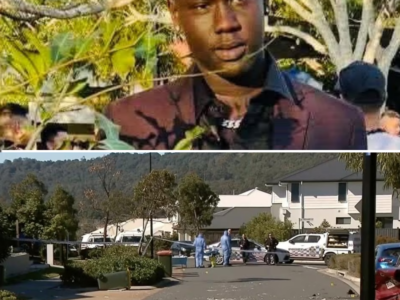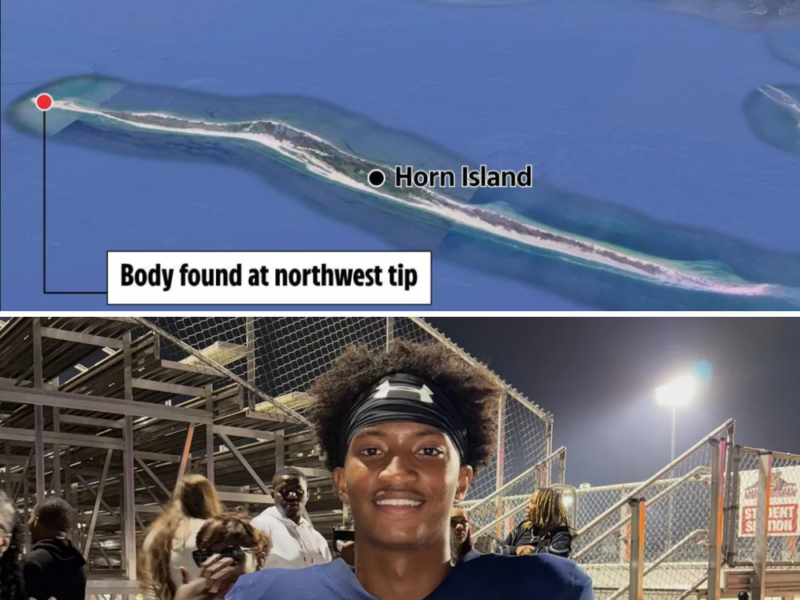
Nolan Wells’ friends have just spoken out, revealing the haunting final words of their close friend before he vanished forever
The death of Nolan Wells, an 18-year-old aspiring football star, on Horn Island (Mississippi) during the recent July 4th holiday weekend is more than just a heartbreaking loss for his family; it is a sobering challenge to public safety and the investigative process. What began as a celebration of Independence Day swiftly morphed into a tragedy, where theories of accidental drowning are increasingly met with public skepticism and doubt.
The Chilling Silence of a “Safe Space”
The disappearance of a healthy, active teenager in a bustling tourist destination serves as a stark reminder of the fragility of personal safety, even in environments perceived as familiar. Available data indicates that Wells was surrounded by peers and engaged in normal social interactions shortly before he vanished. However, the disconnect between his promise to “hit you up later” and the reality that he never returned to the mainland has created an informational void, leaving the door wide open for countless theories.
In circumstances such as these, the lack of direct witnesses or conclusive evidence provides a breeding ground for rumors. As clips of confrontations on the beach circulate, public opinion has begun to question whether the narrative of a simple drowning is incomplete. While authorities remain cautious about drawing criminal conclusions, the family’s decision to retain high-profile legal counsel to demand transparency signals that public confidence in the preliminary investigation is fraying.
The Role of Digital Evidence in Modern Investigations
The Horn Island incident highlights a new reality in criminal investigations: the critical importance of “digital evidence.” The police appeal for citizens to come forward with original photos and videos from personal devices demonstrates that, in today’s world, every tourist on the beach is an accidental witness. Sifting through these data points is not merely a technical task; it is the key to decoding the “blind spots” that the human eye could not observe amidst the chaotic crowds.
However, the danger of such footage lies in its potential for fragmentation. Isolated clips of altercations can easily be misinterpreted, fueling negative social media discourse or distracting from the official investigation. Investigators now face the dual pressure of navigating these subjective online theories while upholding forensic objectivity—a difficult balancing act in a high-profile case.
The Future of Transparency
The tragedy of Nolan Wells transcends the loss of one individual; it serves as a lesson on communal responsibility within public spaces. When holidays intended for bonding become the site of separation, society must reflect on how we protect one another. The family’s call for transparency is not merely a plea for justice for Wells, but an insistence that such incidents do not fade into obscurity due to the difficulties of gathering evidence.
While the definitive cause of death awaits a formal forensic conclusion, this event serves as a haunting reminder that behind every statistic of an accident or death lies a shattered life, unfulfilled dreams, and a family grappling with profound grief. Justice, in this instance, is not just about identifying the cause of death; it is about providing the clear, honest answers needed to quell the growing doubts currently haunting the public eye.
SOURCE: THE SUN
https://www.the-sun.com/news/16657619/nolan-wells-friends-break-silence-body-found/