“Dad, help me”: The haunting final cries of young hero Amina Bradley at the Detroit River
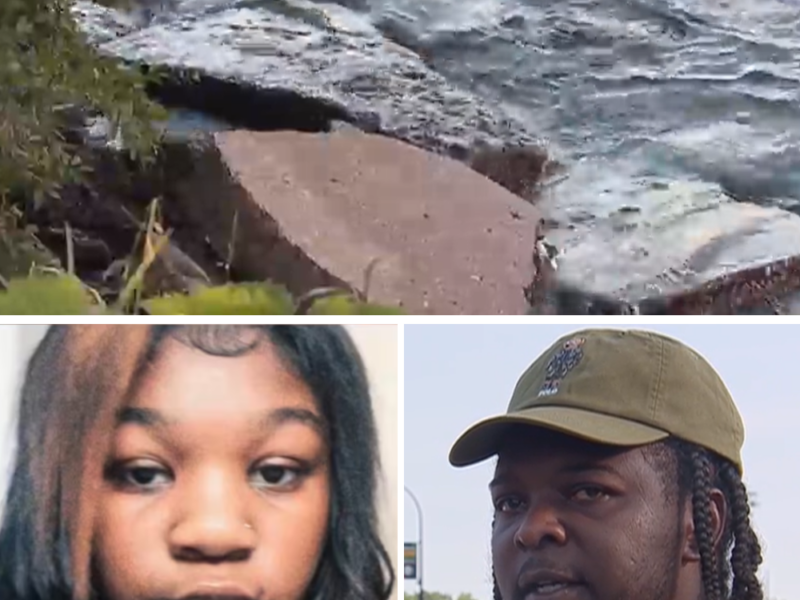
A graduation celebration—an event intended to mark a milestone in a teenager’s life—unexpectedly turned into a scene of profound grief at Detroit’s Maharris Gentry Park this past weekend. Amina Bradley, a 14-year-old girl, lost her life while heroically attempting to save her 9-year-old cousin after the younger child accidentally fell into the Detroit River. This tragedy stands not only as an immense personal loss for the Bradley family but also as a sobering reminder of the hazards inherent in natural water bodies during public gatherings.
The Boundary Between Instinct and Survival
Amina’s response was a poignant expression of selflessness and familial bond. Yet, from a public safety perspective, this incident highlights a critical distinction between recreational pool swimming and navigating the volatile currents of natural waterways. The confidence of a teenager comfortable in a pool setting can become a fatal vulnerability when confronted with the unpredictable pull of a river current.
As her father, Glenn Bradley, poignantly noted, “In that type of setting, the current, it pulls you out.” This observation captures the tragic reality that even those with swimming skills can be overwhelmed by natural currents, emphasizing that survival in rescue scenarios requires more than just the ability to swim—it demands specific knowledge of water dynamics and emergency response.
Management Responsibility and Community Awareness
The event in Detroit inevitably sparks debate regarding safety standards in public spaces bordering waterways. While outdoor gatherings are essential for fostering community and family ties, the lack of adequate barriers, clear signage, or professional supervision at sites known for unpredictable water conditions remains a significant systemic oversight. Amina’s sacrifice serves as a painful illustration of the necessity for heightened vigilance in these environments.
Beyond the immediate headlines, this story is a wake-up call regarding the perception of risk. Education on survival skills must evolve to include risk assessment and the importance of ensuring personal safety before attempting to secure the safety of others. The loss of a young girl with dreams of becoming a scientist is a profound tragedy; it represents the extinction of a promising future, reminding us that no level of bravery can replace the necessity of proactive safety measures.
Memory and Prevention
While society often focuses on the tragic nature of such events, there is a greater imperative to prioritize practical survival training for youth. Honoring the “warrior” spirit and “beautiful heart” of a young girl is a noble tribute, but it must be paired with a commitment to preventing future occurrences. The safety of every child interacting with natural landscapes must be anchored in vigilant adult supervision and robust, preventive institutional measures.
SOURCE: WWNY
https://www.wwnytv.com/2026/07/03/she-was-warrior-14-year-old-drowns-while-rescuing-her-younger-cousin-during-graduation-party/