BREATHTAKINGLY BEAUTIFUL: Why is the masterpiece “Marie Antoinette” taking Netflix by storm all over again?
In an era dominated by glitzy period dramas like Bridgerton or The Crown, modern audiences are often swept up in high-stakes plots and fast-paced editing. Yet, amidst that whirlwind, a 2006 gem—Sofia Coppola’s Marie Antoinette—has experienced a powerful resurgence on Netflix, leaving viewers mesmerized and prompting them to weigh this stylized classic against today’s blockbusters.
The Journey of a Tragic “Teen Queen”
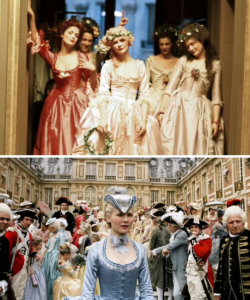
Drawing inspiration from Antonia Fraser’s 2001 biography, Marie Antoinette: The Journey, the film eschews a didactic historical approach in favor of a deeply personal narrative about a young girl thrust into the eye of a political storm. The official synopsis encapsulates this tragic trajectory: “The retelling of France’s iconic but ill-fated queen, Marie Antoinette. From her betrothal and marriage to Louis XVI at 14 to her reign as queen at 19 and to the end of her reign as queen, and ultimately the fall of Versailles.”
With Kirsten Dunst delivering a career-defining performance as the lead, supported by a formidable cast including Jason Schwartzman, Jamie Dornan (in his cinematic debut), Judy Davis, and Steve Coogan, the film acts as a seamless marriage between opulent fashion and the crushing isolation of youth.
Cinematic Aesthetics: Where Costume Tells the Soul’s Story
What distinguishes Marie Antoinette—and continues to astonish today’s viewers—is its extreme attention to costume design and production aesthetic. It is worth remembering that this work secured the Oscar for Best Costume Design at the 79th Academy Awards. One critic noted the film’s distinct visual language: “The film’s decadence and opulence as well as all the details in décor, costumes, wigs, etc is fascinating and shows that Coppola had a true vision for it.”
The fusion of Sofia Coppola’s artistic eye and Kirsten Dunst’s nuanced portrayal creates a sensory experience that many viewers argue surpasses modern period series. Sharing a heartfelt perspective on IMDb, one fan wrote: “Sophia Coppola and Kirsten Dunst collabs are my favourite. For those of us who love this kind of stark contrast, and relate to the helplessness and hopelessness of being a teenage girl, especially in another era, this movie was a masterpiece.”
A Personal Perspective: Why Does Coppola’s Vision Resonate So Deeply Today?
When it premiered at the 2006 Cannes Film Festival, the film was met with mixed reactions; some critics lamented that it had “too much cake and not enough revolution.” However, time has proven the skeptics wrong. Marie Antoinette never intended to be a dry history lesson. Instead, it serves as a poem about alienation.
In a world of artifice, Coppola’s teenage queen stands as a powerful metaphor for the anguish of individuals trapped by societal expectations. Her use of sweets, lavish gowns, and Manolo Blahnik shoes to mask the loneliness of Versailles mirrors the way modern individuals seek comfort within their own digital bubbles.
For those seeking a complete feast for both the eyes and the soul, Marie Antoinette is more than just a film—it is an artistic experience. As one admirer aptly put it: “One of the Best Movies of All Time… If you love visual splendour, great music, perfect production and direction, then watch this film orchestrated by the exquisite Sophia Coppola.”
Nearly two decades since its release, Coppola’s vision remains as avant-garde and hypnotic as ever. That enduring resonance is the ultimate testament to the legacy of a true masterpiece.