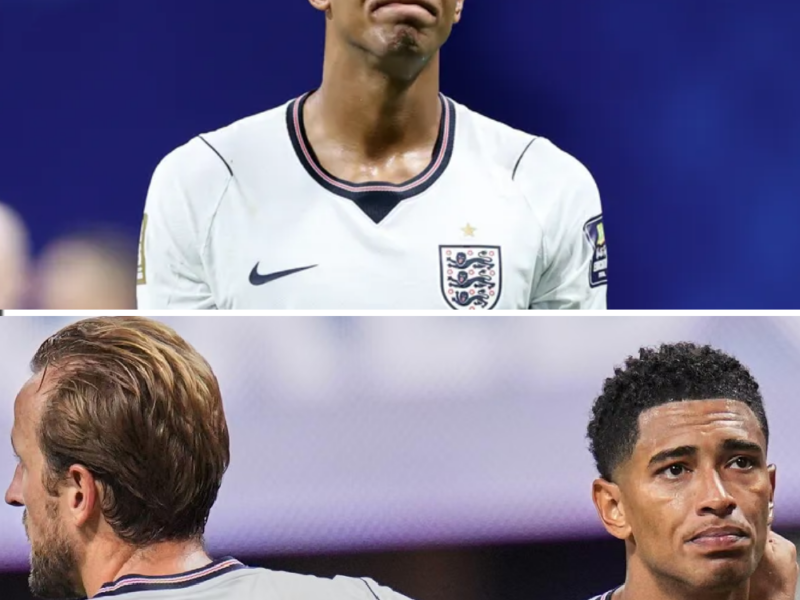
Behind Bellingham’s tears: What the world didn’t see on that fateful night in Atlanta
England’s 2-1 defeat to Argentina in the 2026 World Cup semi-finals was not merely a stumbling block at the gates of paradise, but a wake-up call regarding the fragility of competitive psychology at the highest level. The sight of Jude Bellingham breaking down in tears on the Atlanta pitch at the full-time whistle encapsulated the collective disappointment. Yet, behind those tears lies a more complex narrative of tactics, pressure, and how top-tier stars respond to adversity.
Tactical Errors: When Caution Becomes a Burden

Reviewing the events in Atlanta, Anthony Gordon’s opening goal in the 53rd minute once offered the illusion of a flawless script for the English. However, that very juncture marked a high-risk shift in Thomas Tuchel’s tactical mindset. Pulling back attacking personnel to reinforce the defense with a five-man backline was more than a mere personnel change; it was a systemic decision to “disarm” themselves.
In modern football, when a team consciously sits deep to protect a one-goal lead against ball-dominant opponents like Argentina, they effectively surrender complete control. The goals by Enzo Fernandez (85th minute) and Lautaro Martinez (92nd minute) were not merely products of individual brilliance from the opposition, but the inevitable consequence of abandoning the tempo to retreat into a comfort zone too early. This serves as a costly lesson that in tournaments like the World Cup, “turtling” can sometimes be more hazardous than maintaining pressure.
Temperament in Defeat: The Boundary of Professionalism
If the tactical failure was a matter of sporting execution, Jude Bellingham’s post-match actions boiled down to a matter of behavioral culture. Bellingham’s inability to govern his emotions, culminating in a scuffle and a slap to the back of the head of Argentina’s Valentin Barco, somewhat overshadowed his own image.
While acknowledging that the weight of pressure on a superstar is immense—especially when a final slips away in the dying moments—professionalism demands emotional regulation even in moments of utmost humiliation. The post-match controversies were not merely side effects of losing, but a glaring deficit in keeping a “cool head.” A true star is judged not only by goals and assists, but by how they accept defeat. Charging into a brawl damages personal reputation and casts serious doubt on the leadership capacity of core players when the team undergoes psychological turmoil.
The Value of a Defeat
The loss in Atlanta can be viewed as a forgettable yet deeply meaningful chapter in England’s developmental trajectory. They played with resilience for the majority of the match, at times touching history, but lacked the clinical edge and composure required to finish off the opposition.
For Bellingham and his teammates, this is a necessary regression for growth. Tears on the turf are testament to dedication, but to evolve into true champions, the “Three Lions” must learn to channel frustration into clarity. Victory never favors those who view opponents through the lens of hostility upon losing; it belongs to those who rise with character and respect. The 2026 World Cup closes in regret for England, but from the ashes of this defeat, they can reshape the mindset vital for future campaigns.
SOURCE: THE SUN
https://www.thesun.co.uk/sport/39773615/jude-bellingham-tears-world-cup-england-argentina-semi-final/