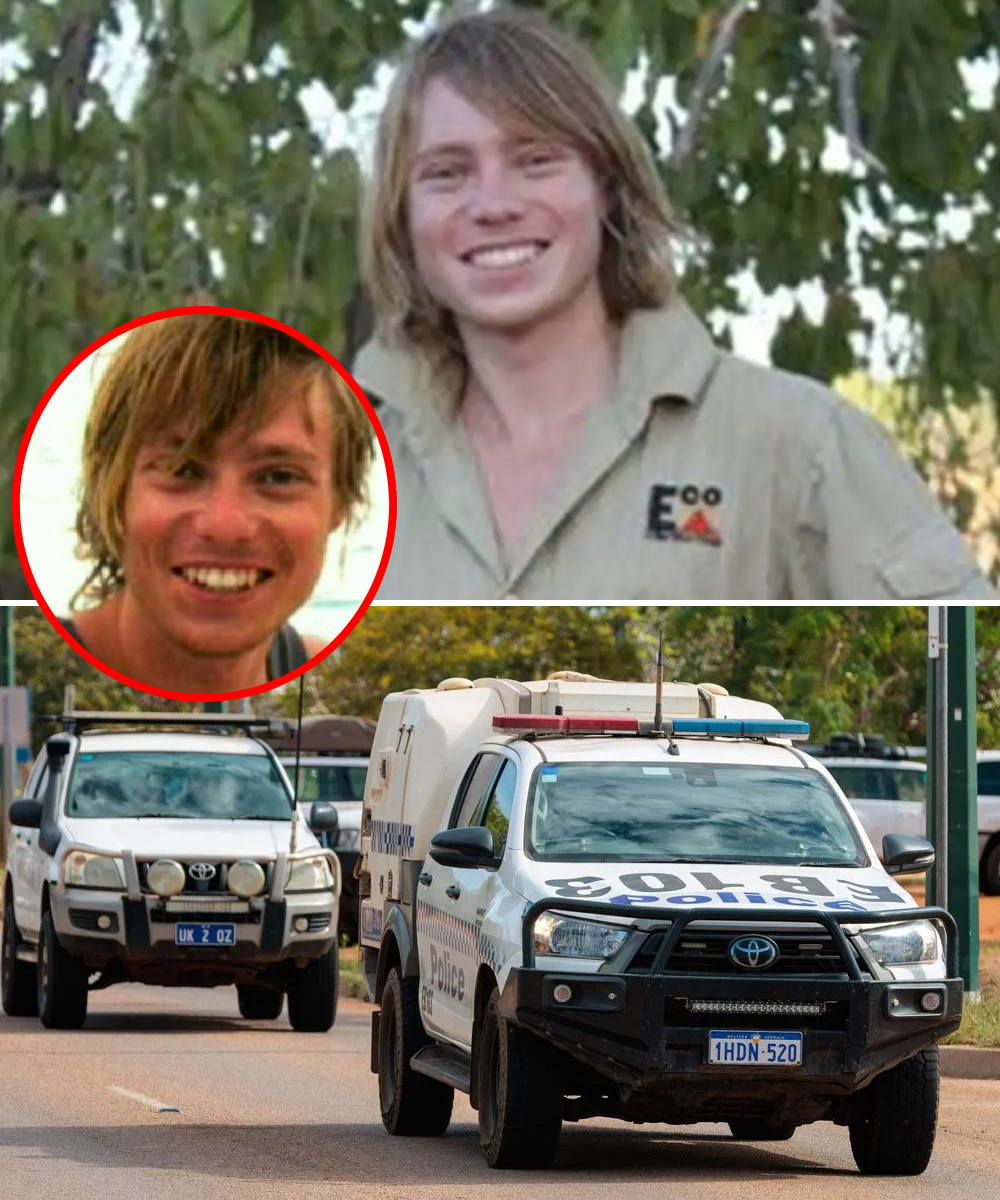
A man was wrongly imprisoned for nearly five years: Will the d3:ath of young tradie Josh Warneke finally be solved after nearly two decades?
More than a decade and a half after the lifeless body of 21-year-old tradie Josh Warneke was discovered in a pool of blood on the side of a road in Broome, Western Australia, the case has taken a significant and unsettling turn. Coroner Rosalinda Fogliani has officially dismissed earlier theories suggesting a vehicular accident, ruling instead that Warneke was the victim of a brutal homicide, while simultaneously exposing catastrophic failures within the original police investigation.
The Fateful Night and a Legal Tragedy
In the early hours of February 26, 2010, the life of 21-year-old Josh Warneke was abruptly cut short following a night out with friends. When his body was found, authorities initially hypothesized that he might have been the victim of a hit-and-run or a violent assault.
What followed, however, was a botched investigation that spiraled into a legal travesty. In 2012, police claimed to have solved the case by arresting Gene Gibson, an Aboriginal man with significant cognitive impairments, limited English proficiency, and little to no understanding of the complex legal system. Subjected to a series of flawed police interviews, Gibson was coerced into pleading guilty to manslaughter. He spent nearly five years behind bars for a crime he did not commit, only securing his freedom in 2017 after a successful appeal, followed by a $1.5 million compensation payout from the state government.
A New Verdict: An Unlawful Homicide
After a exhaustive review of the case files, Coroner Rosalinda Fogliani delivered a stinging report on Monday, shattering previous assumptions. Addressing the nature of the tragedy, Fogliani stated, “I am of the belief that an indictable offence has been committed,” and firmly concluded, “Josh’s death being the result of an unlawful homicide.”
Forensic findings revealed that Warneke suffered severe blows to the back of his head with a sharp, blunt implement. This trauma caused a massive skull fracture that proved fatal. Critically, Fogliani rejected theories that a motor vehicle was involved, noting the complete absence of physical evidence typically associated with such accidents, such as gravel-induced injuries or drag marks.
A Harsh Indictment of Regional Policing
Beyond confirming the manner of Warneke’s death, the coroner’s findings serve as a scathing critique of the Western Australia Police Force. Fogliani identified systemic failures in the force’s ability to handle complex regional crimes. Specifically, the failure to deploy a forensics team to the crime scene resulted in the loss of critical samples and the potential contamination of evidence, which crippled the investigation from its inception.
The matter has now been referred to the Director of Public Prosecutions for further action. Furthermore, the coroner issued four formal recommendations, emphasizing the urgent need for standardized protocols regarding the preservation of forensic evidence in remote and regional areas.
Sixteen years later, the scars of this tragedy remain raw for the Warneke family, and the identity of the perpetrator remains a haunting mystery. While the coroner’s new verdict cannot restore the years stolen from Gene Gibson or bring back the life of Josh Warneke, it stands as a vital step toward reconciling the failures of the past and continuing the pursuit of genuine justice.