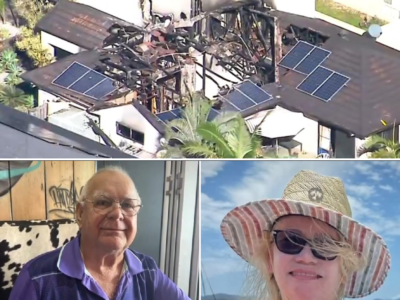
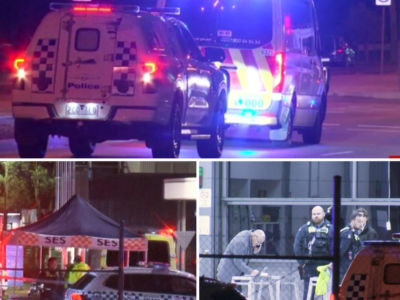
A horrific collision in south-west Victoria has brought the state’s road toll to 125 so far this year
The catastrophic collision in the Weering area, north of Colac (Victoria) last Tuesday afternoon, which claimed the lives of two drivers, is more than just a routine traffic incident. With Victoria’s road toll climbing to 125 lives lost so far in 2026, every accident is far more than a cold statistic; it represents the shattering of families and a grim reminder of the daily necessity of road safety.
“Blind Spots” on Rural Roads
This serious accident at the intersection of Colac-Ballarat Road and Barpinba Road raises significant questions about transport infrastructure in regional areas. While traffic volume in agricultural zones is typically light, this very emptiness can sometimes induce complacency among drivers. When safe following distances are ignored and vigilance at intersections drops, invisible “blind spots” on rural roads can easily transform into fatal traps.
Unlike major highways, rural interconnecting roads frequently lack smart warning systems or complex lane separators. Consequently, the driver’s skill and alertness serve as the final line of defense. In this instance, the two victims—a 57-year-old man and a 52-year-old woman—were the sole occupants of their vehicles, highlighting the common reality of solitary driving over long distances. High-speed fatigue or a single second of distraction is all it takes to permanently alter the trajectory of a life.
The Repercussions of a “Speed” Culture
The simultaneous deployment of emergency services—including Ambulance Victoria, a specialist rescue helicopter, and Country Fire Authority (CFA) units—underscores the severe nature of the collision. However, even the most rapid emergency response becomes obsolete once a tragedy has already unfolded. Broader analysis suggests that resolving the road toll issue cannot rely solely on reactive measures. It requires a fundamental shift in traffic culture: adhering to regulations must be viewed not as a means to avoid fines, but as an essential responsibility to protect oneself and others.
Each digit within the 125 fatalities carries stories, unfinished plans, and the immeasurable grief of those left behind. While the police call for witnesses via Crime Stoppers is a necessary investigative step, the greater imperative remains individual accountability behind the wheel. A safe journey always begins with an acute awareness of potential dangers, even at the most familiar intersections.
Road safety is not a destination, but a continuous journey built on caution and responsibility. The tragedy at Weering reinforces that on the road, no lapse is minor. Courtesy, mutual yielding, and strict adherence to speed limits remain the only keys to curbing these heartbreaking figures before they become the next statistics of the year.
SOURCE: ABC
https://www.abc.net.au/news/2026-07-01/double-fatality-weering-colac-victoria-police/106867610