F1 MANIA SWEEPS CHINA: Souvenir Craze & Fan-Made Merch Turn Shanghai Grand Prix into a Vibrant Cultural Explosion
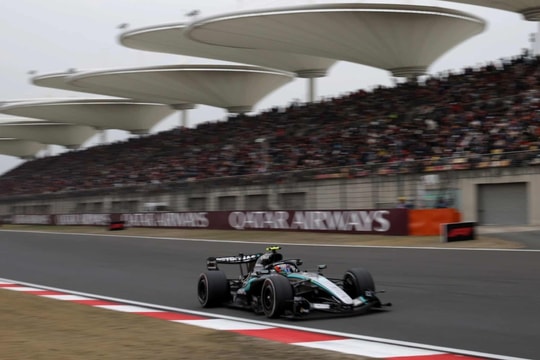
Once seen as a distant Western sport, Formula 1 has exploded into a mainstream passion across China, fueled not just by high-speed racing but by an unprecedented wave of fan-made merchandise, trading culture, and colorful community gatherings. At the 2026 Chinese Grand Prix in Shanghai, the circuit’s public squares transformed into living mosaics of team colors—vibrant red seas of Ferrari supporters, papaya orange McLaren fans, and electric green Mercedes faithful—creating one of the most visually striking fan spectacles in F1 history.
At the heart of this movement stands Quách Tiêu Dao (Guo Xiaoyao), founder of a 500-strong regional F1 fan club. Surrounded by eager supporters, she handed out her latest custom creations: rings engraved with Lewis Hamilton’s iconic “Still We Rise” slogan, playful “marriage certificates” featuring drivers’ portraits, custom keychains, stickers, standees, and fridge magnets. Her designs have become must-have items, blending creativity, fandom, and personal expression.
According to Sixth Tone, the culture of merch trading and swapping reached new heights at this year’s Shanghai event—the longest-running F1 race in China since 2004 (with a pause from 2020–2023 due to the pandemic). Fans spent hours exchanging items, bartering rare pieces, and showcasing their collections, turning race weekends into hybrid fashion shows and collector conventions.
Nielsen Sports data reveals a staggering 40% surge in Chinese F1 fans between 2024 and 2025, driven by greater media exposure, streaming access, and local hero Zhou Guanyu’s presence on the grid. The 2026 Shanghai Grand Prix drew a record 230,000 spectators over three days—the highest ever—with more than two-thirds traveling from outside the city and 14% coming from abroad.
For many, the journey mirrors Guo’s own story. In the early 2000s, as a high-school student, she stayed up late watching races with her father while friends obsessed over basketball, soccer, or pop stars like Jay Chou. Back then, F1 felt alien—friends mistook it for toy-car racing. “I was the odd one out,” she recalls. Yet that isolation only deepened her love for the sport’s precision engineering, strategy, and drama.
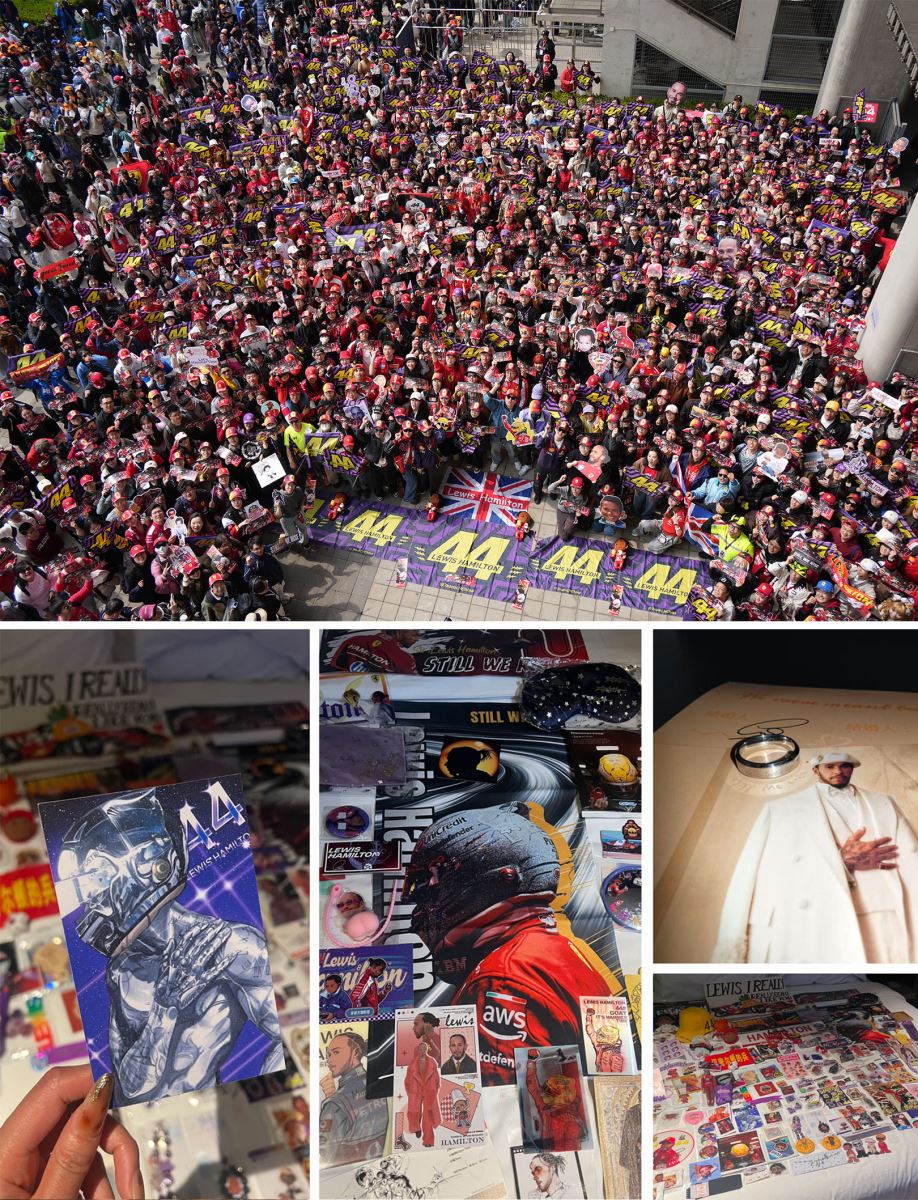
Today, after more than 20 years, Guo has evolved from solitary viewer to community leader. Drawing inspiration from music fandoms she joined earlier, she imported the “fan item exchange” tradition into F1, giving Chinese supporters a unique identity. Each year she refines her designs to stay fresh and trend-forward: “I always want to be more creative, more unique, and keep up with what’s hot.”
The surge is amplified by smarter media coverage, official F1 partnerships, and aggressive merchandising strategies from teams like Ferrari, Red Bull, McLaren, and Mercedes. Limited-edition drops sell out instantly; resale prices on platforms like Xianyu and Weibo often climb 5–10× original value. Social media overflows with unboxing videos, outfit-of-the-day posts, and fan meetups—proof that F1 has transcended sport to become a lifestyle and identity marker for young Chinese enthusiasts.
As the Shanghai circuit echoes with cheers and the air fills with the scent of tire rubber and street food, one truth stands clear: Formula 1 is no longer “Western” in China. It’s homegrown, colorful, passionate, and fiercely creative—thanks to fans like Guo Xiaoyao who turned their love into a nationwide movement.
News
“I’M NOT SPEAKING UNTIL HE LEAVES!” — Verstappen ejects journalist in Japan F1 meltdown!
“GET OUT NOW!” — Max Verstappen EXPLODES in furious Japan F1 showdown, ejecting shocked journalist from media session over painful…
“UNSPEAKABLE SCENE!” — TREMBLING WITNESS REVEALS THE HAUNTING DETAILS OF BIRDWOOD’S D.EVASTATING TRAGEDY.
WE ARE UTTERLY HEARTBROKEN… — Police have released a DEVASTATING update following the HORRIFIC car and cattle truck crash near…
Devastated Husband Reveals MAFS Star Mel Schilling’s Emotional Last Words at 54: “EVEN THEN, HER ONLY THOUGHT WAS FOR MADDIE AND ME”
Tragic Loss: MAFS Star Mel Schilling Dies at 54 After Brave Battle with Colon Cancer – Husband Reveals Emotional Final…
MAFS Star Mel Schilling’s Husband Reveals Her Heartbreaking Final Whisper Before De.ath at 54
Tragic Loss: MAFS Star Mel Schilling Dies at 54 After Brave Battle with Colon Cancer – Husband Reveals Emotional Final…
DRACO VS. KAI: SOULJA BOY DEMANDS SUB REFUND AFTER CENAT’S UNSETTLING HIATUS REVELATION.
THE DRAGON VS. THE TITAN: Soulja Boy Ignites War Over Kai Cenat’s “Hate Wall” and Streaming Hiatus ATLANTA — The…
MARANDA JOHNSON FACES CHARGES IN SHOCKING BRAWL BETWEEN KODAK BLACK’S BABY MAMAS AT NIGHTCLUB!
Kodak Black’s Baby Mama Drama Erupts: Ex-Girlfriend Maranda Johnson Faces Charges After Wild Wilton Manors Nightclub Brawl By Hip-Hop Crime…
End of content
No more pages to load