Queensland Drivers Left Horrified After Chil-ling Highway Incidents Spark Urgent Calls for Change
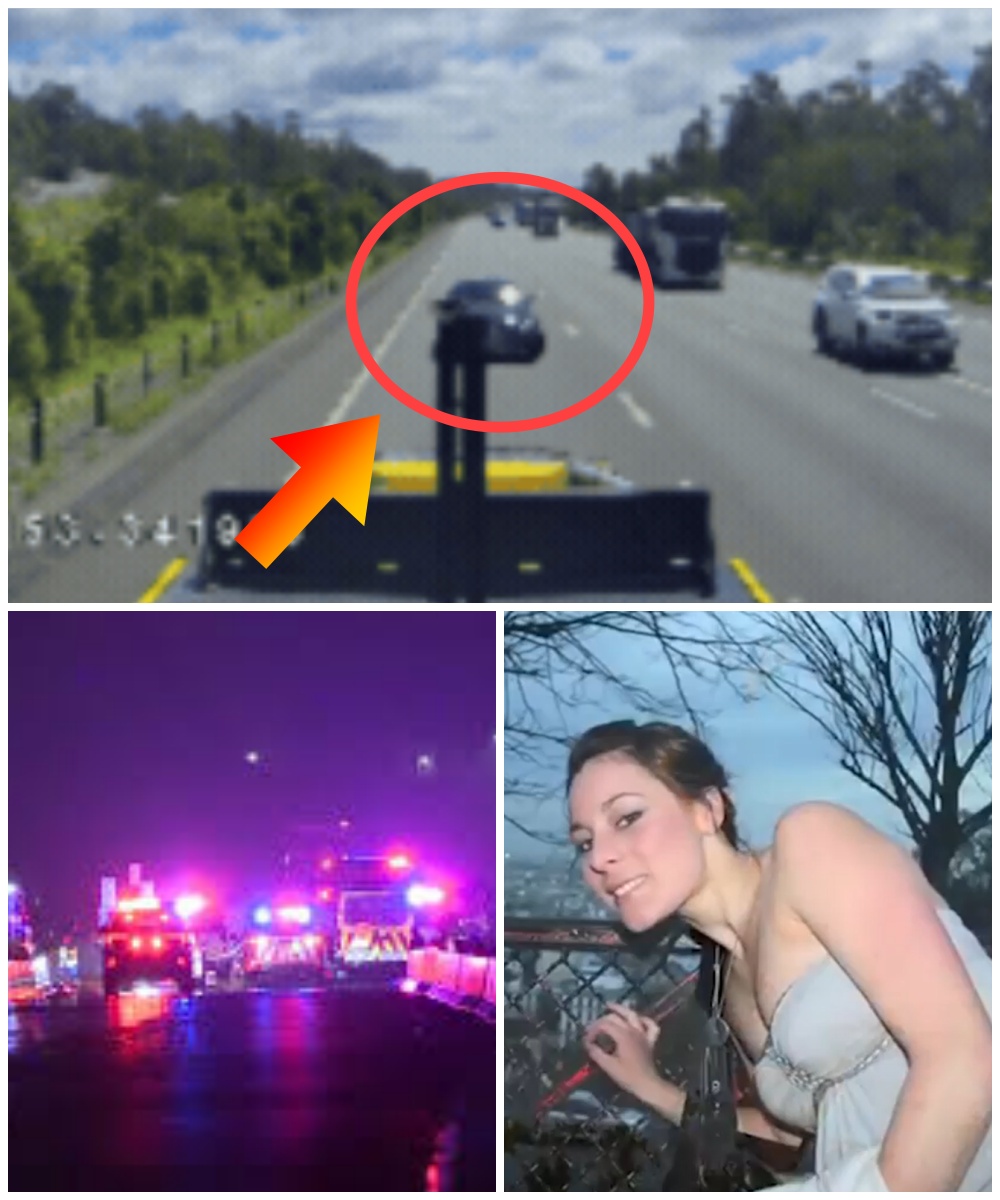
Drivers are facing terrifying near-misses when they pull into Queensland highway breakdown lanes, dashcam footage released by roadside assistance group RACQ has highlighted.
The new footage comes less than two days after a woman was hit and killed by a passing vehicle after a minor accident with another driver south of Brisbane.
The 32-year-old woman had pulled over to exchange details after the minor crash on the Pacific Mwy at Loganholme on Monday afternoon.
If You Have These 5 Symptoms After Eating, Your Blood Sugar Is Out of ControlNew life|
Sponsored
The Sleep and Blood Sugar Link Nobody Talks Aboutgreen choice|
Sponsored
by Taboola
She was returning to her car when she was struck and killed by a Holden ute driven by an 18-year-old man.
RACQ has now revealed tow truck drivers who respond to accidents or breakdowns are also facing more than one life-threatening incident a week.
In the six months from November 2025 to April 2026, there were 29 dangerous near-misses involving tow trucks assisting motorists.

This is more than triple the number recorded during the same period the previous year.
“Our hardworking and selfless roadside operators, along with those from other organisations, are there to help when you need it most — the least motorists can do is move over and slow down,” RACQ deputy chief executive Glenn Toms said.
“They are out there saving Queenslanders every day from dangerous and vulnerable situations — we can’t have motorists making these situations worse by not following their obligations to give them safe space.
“We started advocating for ‘move over slow down’ laws in 2017 after 90 per cent of our members said something needed to be done, so it is really disappointing to know Queensland is going backwards.”
Queensland’s peak motoring body has released footage of drivers failing to move over and slow down around roadside workers, despite laws which have been in place for more than three years.
In Queensland, drivers are legally required to give stationary emergency response and roadside assistance vehicles a wide berth.

If a parked vehicle is displaying flashing red, blue, yellow, or magenta lights, drivers must change lanes or slow down and move over.
The penalty for not moving over and slowing down is $500 and three demerit points.
The laws were adopted after similar laws were passed in NSW in 2019, sparked by a double tragedy in February 2012.
Sarah Frazer, 23, was driving to university when her car broke down on the Hume Hwy near Mittagong, south of Sydney.
A tow truck, driven by 40-year-old Geoff Clark, was loading Frazer’s car when they were both struck and killed by a passing courier truck.
The tragedy led to major road safety changes led by Peter Frazer, Sarah’s father.
He founded the Safer Australian Roads And Highways (SARAH) group to advocate for the “slow down, move over” legislation.

“The law is simple — if you see flashing lights on the roadside, move over and slow down,” Toms said.
So far this year, 127 lives have been lost on Queensland roads — a 28.3 per cent increase on the same time last year.
If the trajectory continues, the state is on track to record more than 330 road deaths in 2026.
Toms said Queensland had not had that many road deaths since around the turn of the millennium.
“Queensland is on track for another one of its deadliest years in recent history, and these incidents show the risks aren’t limited to drivers and passengers — they extend to the people working to keep our motorists safe and our roads moving,” he said.
“Every one of these close calls could have ended in tragedy. Slowing down and moving over isn’t just the law — it’s about protecting lives.”