Dr Seuss’s How the Grinch Stole Christmas! has been adapted for the screen before: Boris Karloff voiced the furry green festive grump in 1966; Jim Carrey at his charmless worst starred in the horror-show 2000 live-action movie. Now comes another animation, which takes the book’s message that you can’t buy Christmas and tops it up with noisy, wacky capering, squishing and flattening Seuss’s universe into yet another bland frenetic kids’ movie.
Benedict Cumberbatch, with an American accent, does a decent job voicing the Grinch, who lives on a mountain high above the gingerbread-pretty town of Whovillle, where festive goodwill is spreading like an epidemic. Like that other noted Christmas-hater, Scrooge, there’s an explanation for his shrivelled heart that’s rooted in the Grinch’s backstory: he grew up unloved in an orphanage where Christmas came not even once a year.
To destroy the fun for everyone else, this year the Grinch is impersonating Santa to steal the town’s presents. At the same time, cute-as-a-button poppet Cindy Lou (Cameron Seely) cracks a plan to trap Santa as he comes down the chimney to be doubly sure her Christmas wishes come true.
As the narrator, Pharrell Williams delivers Seuss’s sing-song rhymes beautifully, and the animation is tip-top. There are also a couple of corking scenes that put Cumberbatch to work. In the best of them, the Grinch ventures into town to do his groceries, stamping on the townsfolks’ Christmas cheer and merriment with malicious glee.
More bah-humbuggery – which is a rational response to the wall-to-wall Christmas jumpers – and less zany antics here would have done the job better. As it is, the movie may leave you feeling as if you’ve been standing on the escalator in Hamleys for 90 minutes during the Christmas rush.
An incredible self-own
In 1936, John Scott, son of the late Guardian owner and legendary editor CP Scott, did something unheard of for a media heir: he gave up his stake for the greater good.
After inheriting the newspaper, Scott renounced all financial benefit – bar his salary – in the Guardian (worth £1m at the time and around £62m today) and passed ownership over to the newly formed Scott Trust. The Trust would evolve to have one key mission: to secure the financial and editorial independence of the Guardian in perpetuity.
That means the Guardian can’t be bought. Not by private equity, not by a conglomerate, and definitely not by a billionaire looking for a political mouthpiece.
Our independence means we can say what we want, report on who we want, challenge who we want, and stand up at a time when others are sitting down.
But this unique model also means we depend on readers like you from Vietnam to help fund our work. If you would rather the news you read was the result of decisions made by journalists and editors, not shareholders or ultra-wealthy tech bros, then, well, you know what to do:
News
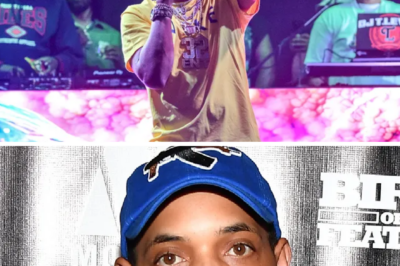
SHOCKER! Rapper OJ da Juiceman’s Wild Move Just Hours After Prison Release!
Getty Rapper OJ da Juiceman isn’t skipping a beat after spending a few weeks in lockup … in fact, TMZ has learned…
TEKASHI 6IX9INE IS BACK! The Rapper Goes on a Wild Spending Spree After 3 Months Behind Bars!
Tekashi 6ix9ine celebrated his release from a federal lockup the only way he knows how — at a strip club! The…
Where were Princess Beatrice and Princess Eugenie during the Royal Family’s Easter service?
The Duchess of Sussex has shared a rare glimpse of Prince Archie and Princess Lilibet as they celebrate Easter at home in the US. Meghan posted…
Stop searching! Harry IS in the Easter video with the family—notice this tiny detail
Archie and Lilibet featured in the cute update (Image: Instagram) Meghan Markle has shared an extremely rare glimpse of Prince Archie…
FORGET ARCHIE! THE WORLD IS IN TOTAL SHOCK OVER THE HIDDEN SECRET ON PRINCESS LILIBET’S EASTER EGG!
Archie and Lilibet featured in the cute update (Image: Instagram) Meghan Markle has shared an extremely rare glimpse of Prince Archie…
Imitating Meghan and nearly dying: Audience reveals the moment of collapse from following Harry’s wife’s words
I’ve just woken up from a dream about a slice of chocolate cake. Yesterday at lunch, I hovered outside a…
End of content
No more pages to load