GB News presenter Patrick Christys made headlines on Friday evening when he returned to his late-night programme after a brief absence due to illness. The broadcaster did not hold back in addressing viewers and the studio audience, delivering pointed criticism of UK Labour leader Keir Starmer and coining two scathing nicknames for him live on air. The segment quickly drew attention across social media, sparking debates about political commentary, satire, and the role of broadcast media in shaping public perception.
Christys opened the show by addressing a controversial decision attributed to the Labour Party: delaying elections. “Labour is delaying more elections. Nearly 10 million people won’t have the right to vote until 2027,” he stated emphatically. His remark highlighted concerns about democratic processes, accountability, and the political ramifications of postponing elections in a country accustomed to regular voting cycles. But it was his humorous yet biting comparison that really captured viewers’ attention.
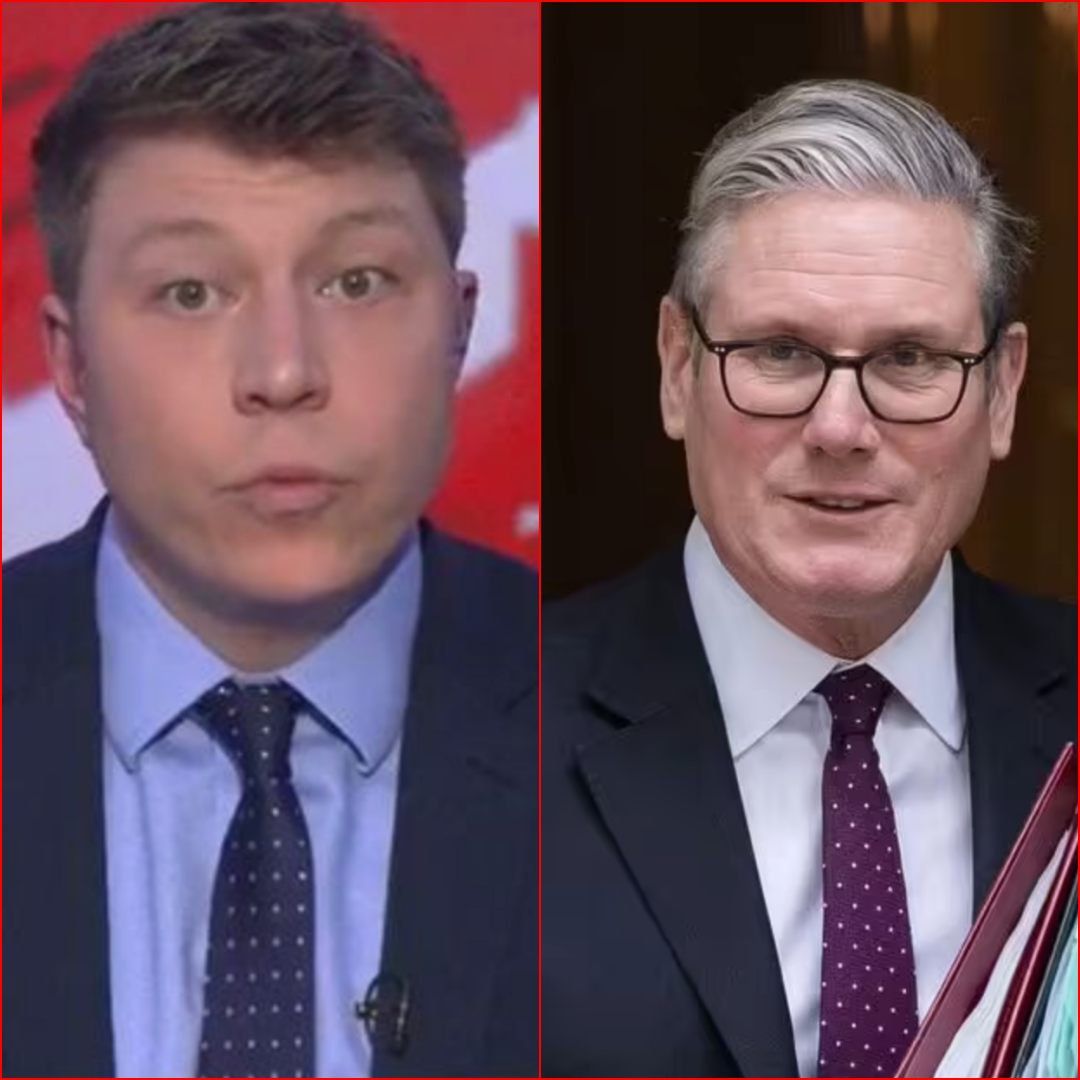
“I’m sorry, but are we being run by Keir Jong Un?” Christys asked, drawing a direct parallel between Keir Starmer and the North Korean dictator Kim Jong-Un. To emphasize the point, GB News aired an edited clip that superimposed Starmer’s face over images of Kim Jong-Un walking down a red carpet, creating a striking visual metaphor that blended satire with political criticism. This controversial segment exemplifies the growing trend in political media to combine humor, imagery, and pointed language to engage audiences while critiquing leaders.
The nickname “Keir Jong Un” is only one of the two brutal monikers Christys used during the broadcast, though the second was similarly sharp in tone. By employing such nicknames, Christys aimed to underline his perception of Starmer’s leadership style, portraying him as authoritarian or out of touch with democratic norms. This approach, while entertaining to some viewers, also raises questions about media responsibility, especially when satire borders on personal attack.
The reaction to the broadcast was immediate. Clips from the programme were widely shared across platforms like X (formerly Twitter) and Facebook, generating debates among supporters and critics of both Starmer and GB News. Supporters of Christys praised his boldness and his willingness to speak freely about political issues, while others criticized the segment for trivializing serious matters through exaggerated comparisons and provocative imagery.
This episode also illustrates the broader trend of political media using visual and linguistic satire to convey messages. By juxtaposing Starmer’s face with that of an internationally notorious leader, Christys not only captured attention but also shaped the narrative in a memorable way. The combination of humor, shock value, and political commentary reflects a growing appetite for media content that entertains as it informs.
Ultimately, Patrick Christys’ return to GB News and his on-air critique of Keir Starmer underscore the tension between political leaders and broadcasters in the UK. While some see such segments as a legitimate form of critique and engagement, others view them as a risky mix of humor and attack that may distort public perception. Regardless of perspective, the broadcast made one thing clear: in modern media, boldness, satire, and spectacle are powerful tools — and Patrick Christys used them to full effect.
News
🔥 Royal Fans Are Stunned by Catherine’s Easter Appearance — The Subtle Detail Everyone’s Whispering About!
Her return to the Easter service after two years, Queen Elizabeth II’s historic jewels, and a new hat signal continuity,…
All eyes on Prince George at the Easter service — and the reason has fans “gasping”…
Royal fans are in awe at how tall Prince George, 12, has gotten – as William and Kate’s eldest son…
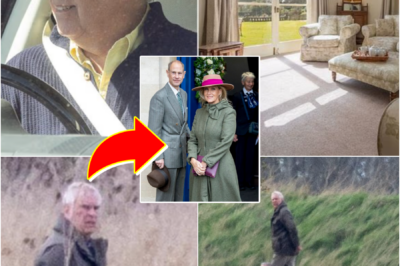
SH0CKING ROYAL EASTER INCIDENT! Prince Edward and Sophie found themselves in an awkward situation following a puzzling move by Andrew Mountbatten-Windsor, leaving royal watchers constantly speculating
Prince Edward and Sophie were forced to use a ‘holiday let’ in Sandringham because Andrew Mountbatten-Windsor refuses to leave their vacation…

FIRED FOR BEING ‘USELESS’…” — THEY HAD NO IDEA THIS SMALL FEMALE MEDIC PULLED THEIR COMMANDER BACK FROM D3ATH TWICE UNDER FIRE!
Part 1 Fired For “No Skills” — Not Knowing This Medic Girl Saved Their Commander’s Life Twice During War The…

They Shaved Her Head Clean…” — The Entire Base Mocked Her… Until a General Roared: “She’s Your Superior!
Part 1 The first thing Avalene Crossmore noticed about Black Ridge wasn’t the razor wire, or the blunt gray buildings…
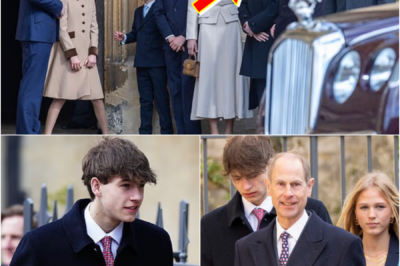
👀 The gaze that’s sending sh0ckwaves at the Earl of Wessex’s Easter appearance has royal watchers buzzing!
He’s previously been dubbed the ‘hidden royal’ – having missed occasions with his wider family in the past while concentrating on…
End of content
No more pages to load