“He Knew It Was the End…” — Inside James Valentine’s Emotional Final Moments That Left Guests Speechless
The final months of James Valentine’s life were contoured by love. As the esteemed broadcaster and musician prepared for his death, he knew he wanted to leave in the same way he lived: with humour and joy.
So, on Valentine’s Day, he was celebrated with a living wake, attended by 180 guests from his rich life. “It was the perfect day. It was exactly what we’d planned,” Valentine’s wife and clinical psychologist Joanne Corrigan said of the emotional event.
The party was held at Clovelly Surf Life Saving Club, fittingly decorated with red balloons and love hearts, and opened by a procession of longtime friend Paul Williamson playing the saxophone, with Valentine trailing behind.

“It was hysterical,” said Corrigan. “He was loving every moment. He made a huge entrance and then gave the most amazing speech, which summoned every bit of his energy that he had left.”
Editor’s pick

According to Corrigan, Valentine told those gathered: “I want you to give me your love, so I can take it with me. You’re doing me a favour by being here. I want to celebrate with you and share our love.”
Former ABC broadcaster Sarah Macdonald was MC, and speakers included opera singer David Hobson, musician Peter Farnan from the band Boom Crash Opera, colleague Richard Glover and longtime friends Sarah Hopkins, a judge, and Lisa McGregor.
The culminating speech was by the couple’s musician son Roy.
“He just cleaned the floor,” Corrigan said. “He was by far the standout – just his father’s son.”
Their daughter, Ruby, handed everyone a rose as they left.
Corrigan said Valentine was “energetic and high for about a week after that. Then he went down pretty quick.”
Living wakes, funerals or celebrations of life, as they are sometimes called, are growing in popularity in Australia. But what are they?
What is a living funeral?
Cindy Stocken, an anthropologist and PhD candidate at the University of Melbourne with a special interest in end-of-life rites, says living funerals are an emerging practice in Australia, though they have their roots in countries such as Japan and South Korea.
Editor’s pick
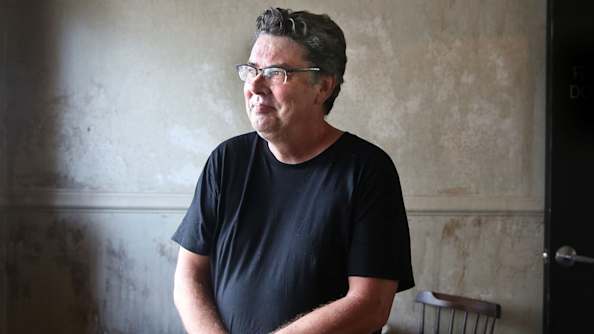
While she says those who hold living wakes are diverse, they do tend to be for those facing a terminal diagnosis. Many are those planning on accessing voluntary assisted dying (VAD), like Valentine, who have more control and foresight over their deaths.
Mortality doula and death literacy educator Danni Petkovic says that unlike funerals, which tend to be more serious and ceremonial, living wakes tend to be more celebratory in nature.
“It’s a gathering where they hear their own eulogy, they feel the love in the room, they get to respond, share their wisdom and say goodbye on their terms. It’s really life-affirming.”
These gatherings are creative and individualised, says Petkovic, who has seen wakes where loved ones have painted a burial shawl, planted a fruit tree, created a family recipe book or written letters for future family members such as grandchildren.
As much for the living as the dying
While contemporary funerals are often said to be for the living, a celebration of life is just as important for the dying.
“A dying person, one of the deepest fears isn’t death,” says Petkovic. “It’s that invisibility, the silence, and not knowing if their life meant something.
“How many times do you hear the words said at a funeral ‘I wish they had heard that?’ That living wake closes a gap so they can hear what they meant to people while they still can, and feel less alone in the dying process.”
For the bereaved, a living funeral can help with the grieving process too.
“They can help turn helplessness into something tangible to do with the love that they feel,” says Petkovic. And this ritualised mourning and community can help with what researchers call “anticipatory grief”.
She adds the practice can “also can reduce the guilt and regret that sometimes follow death”, and strengthen a network of people who can lean on one another after their loved one dies.
Rising popularity
While Stocken says many Australians have never heard of or attended a living wake, growing death literacy and more people accessing voluntary assisted dying mean things are slowly changing.
In 2024-25, voluntary assisted dying accounted for about 2 per cent of deaths nationally and a growing proportion of cancer and motor neurone disease deaths.
Spend on the champagne, not the coffin: How Aussie death rituals are changing
“People are more willing to talk about death; people are more curious about the possibilities and options that they have,” says Stocken.
Ben Gibson, a director at Life Rites Funerals in Sydney and end-of-life doula, says that while the number of those requesting living funerals is still relatively small, conversations are certainly growing.
However, he thinks interest will rise as broader Western rituals around death become less traditional, particularly among younger generations.
“Funerals are becoming more personal and more human,” he says.
His work often involves helping families create a framework for a living funeral, which can be detailed on the invitations with instructions like: “I just want to hear how you’re going. I know you all care about me, but I would prefer if you didn’t ask me how I’m going or any questions about my treatment or things like that.”
But Gibson says the trickiest part for attendees can be the pressure over the last conversation they have with the dying.
“Honesty in these circumstances is often best, and sometimes silence is more than words,” Gibson says. “So just by being present, and saying, ‘I don’t know what to say at this time, but please know that I love you deeply’ can be enough.”