Hip-hop has never been polite — and the latest wave of backlash proves the culture is still as ruthless as ever.
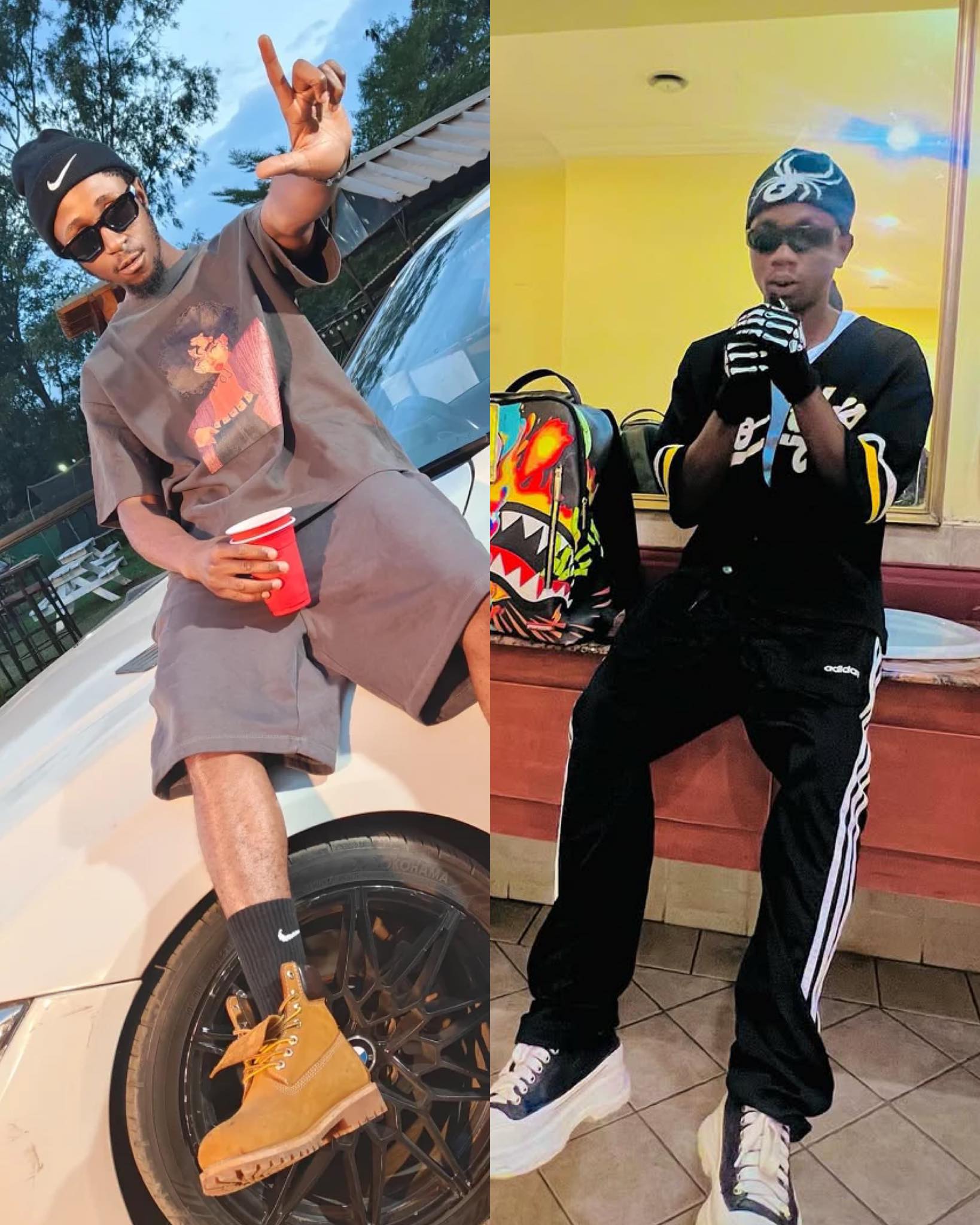
A raw, unapologetic opinion is circulating fast through underground rap circles, claiming Lil AL, Em EL, T-Kas, 60g, and Spe are “garbage rappers” who should quit altogether and leave Slimey Trap to Dirty Flo and S Khrizy. It’s not dressed up as constructive criticism. It’s not softened with industry language. It’s a straight-up dismissal — and it’s igniting heated debate.
For some listeners, this isn’t hate. It’s honesty.
Slimey Trap, they argue, was never meant to be overcrowded with half-polished voices and recycled flows. The subgenre thrives on grime, pressure, lived experience, and a certain kind of menace that can’t be faked. Fans defending Dirty Flo and S Khrizy say they embody that energy — not just through lyrics, but through delivery, authenticity, and presence.
“Anybody can rap,” one supporter wrote online. “Not everybody can belong.”
That sentiment is at the heart of the backlash. Critics say the rappers being called out rely too heavily on borrowed aesthetics, weak bars, and predictable beats — flooding the scene without adding anything new. In a genre already oversaturated, listeners are losing patience with what they see as mediocrity disguised as hustle.
But others see something darker beneath the surface.
To them, this kind of rhetoric isn’t about quality — it’s about control. Hip-hop has always been a battleground between gatekeeping and evolution. Every generation has its critics who swear the throne belongs to a select few. Today, Dirty Flo and S Khrizy are being positioned as the “chosen ones,” while everyone else is told to step aside.
The question is: who gets to decide?
Dirty Flo and S Khrizy undeniably have momentum. Their sound hits harder, their branding is tighter, and their fanbases are fiercely loyal. Supporters say they don’t just rap Slimey Trap — they are Slimey Trap. Their music feels rooted in real environments, real risks, real consequences. That authenticity, fans argue, can’t be manufactured.
But hip-hop history is littered with artists once dismissed as “trash” who later redefined the culture.
The danger of declaring entire artists worthless is that it shuts down growth. Not every rapper starts polished. Not every voice hits immediately. Some evolve through failure, criticism, and time. Writing someone off completely may feel satisfying in the moment — but it ignores how the genre has always thrived on competition and transformation.
Still, the frustration is real.
Listeners are overwhelmed. Streaming platforms are flooded daily with new releases, many sounding interchangeable. When fans lash out, it’s often less about hatred and more about exhaustion. They want originality. They want hunger. They want music that feels like it had to exist.
And that’s where Dirty Flo and S Khrizy win the argument for many.
Their supporters say they’re not afraid to be raw, uncomfortable, even ugly in their sound. No chasing trends. No watered-down hooks. Just pressure. In contrast, critics accuse Lil AL, Em EL, T-Kas, 60g, and Spe of chasing visibility instead of mastery — releasing tracks before their voices are fully formed.
Is that fair? Maybe. Is it final? That’s debatable.
Hip-hop doesn’t move by consensus. It moves by survival. The artists who last aren’t always the ones crowned early — they’re the ones who adapt, sharpen their craft, and outwork the noise. If the criticism lands, it can either break careers… or force evolution.
In the end, this controversy says less about who should quit and more about how fiercely fans are protecting the sound they love.
Slimey Trap is under pressure.
The audience is impatient.
And the message is clear: bring something real — or don’t step into the arena at all.
Whether this moment becomes a turning point or just another online firestorm depends on what the artists do next. Because in hip-hop, the mic doesn’t care about opinions.
Only results.
News

Drama EXPLODES: Married At First Sight Australia Star Bec Zachariah Blames Secret Health Struggle for Brut-al Treatment of Alissa Barmonde
MAFS Australia has already delivered no shortage of drama this series. And now bride Bec has opened up about a…

Our Kids Are Still Waiting for Him… — Wife Breaks Silence After Beloved Father-of-Four Ki-l-led in Sh0cking Melbourne Crash
A devastated wife has spoken out after her husband spent the week fighting for life after being mowed down outside his home…

WORDS TURNED D-E-A-DLY? — Jaro City’s Lil Mikey Gu-nned Down After Explosive Argument Tied to Viral Diss
The hip-hop community is once again grappling with tragedy following the fatal shooting of Jaro City rapper Lil Mikey, an…

IT WAS ALL GONE IN MINUTES — Community Heartbreak as Heroic Grandparents Lose Home in Sh0cking Blaze
An Adelaide community is rallying around two much‑loved grandparents and volunteers who have lost everything in a ferocious house fire….
HE SAID TOO MUCH? — NC Rapper Gu-nned Down Moments After Sh0cking Facebook Live Confession
A shocking and deeply disturbing incident has rocked the hip-hop community after a North Carolina rapper was fatally shot just…

HIS STORY ISN’T ADDING UP — Tiger Woods’ DUI Arrest Takes Dark Turn as New Details Raise Serious Questions
Tiger Woods called President Donald Trump in the moments after his shocking car crash in Florida, new bombshell footage appears to show. The golf…
End of content
No more pages to load