The Blair Witch Project, released in 1999, stands as one of the most influential and innovative horror films of all time. Directed by Daniel Myrick and Eduardo Sánchez, this low-budget psychological folk horror movie pioneered the found footage genre and forever changed how independent filmmakers could approach storytelling, marketing, and audience engagement.

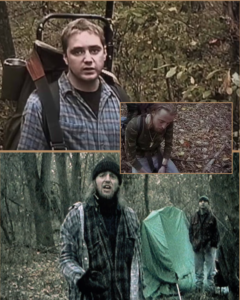
The film follows three young filmmakers—Heather Donahue, Joshua Leonard, and Michael C. Williams (playing fictionalized versions of themselves)—who venture into the Black Hills Forest near Burkittsville, Maryland, to shoot a documentary about the local legend of the Blair Witch. According to the myth, the witch, Elly Kedward, was banished from the town in the 18th century for witchcraft, leading to a series of disappearances and child murders over centuries. The students interview locals, explore the woods, and document strange occurrences, but as they delve deeper, they become hopelessly lost. What begins as an academic exercise spirals into terror as they experience eerie noises, mysterious stick figures, and escalating psychological dread. The entire narrative is presented as recovered footage from their cameras, with no traditional script or professional lighting—only handheld camcorders capturing raw, shaky realism.
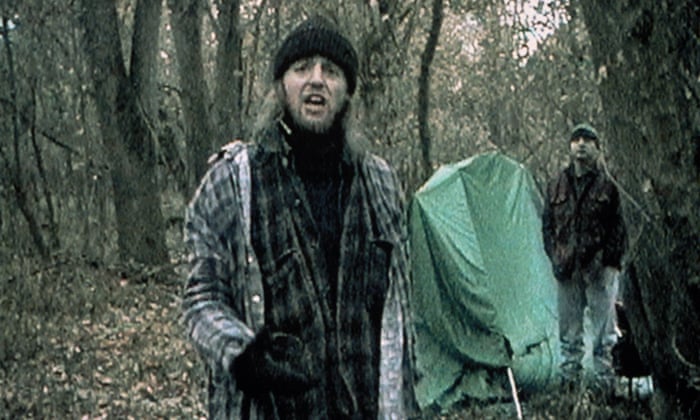
Shot on a shoestring budget estimated between $35,000 and $60,000 (with total costs reaching around $200,000–$750,000 after post-production and marketing), the production relied heavily on improvisation. The actors were given minimal direction and often left alone in the woods to heighten authenticity. They carried their own equipment, slept in tents, and endured real discomfort to sell the illusion that this was genuine found footage of missing persons. The film’s ending—infamous for its ambiguity and chilling final shot in an abandoned house—leaves viewers haunted by what they don’t see rather than graphic violence.
What truly set The Blair Witch Project apart was its groundbreaking marketing campaign, one of the earliest and most successful viral efforts in film history. In the pre-social media era, Artisan Entertainment created a comprehensive website (blairwitch.com) that presented the story as real: fake police reports, news clippings, interviews, and a timeline of the Blair Witch legend. The site claimed the footage was discovered after the students vanished in 1994, and it included “missing persons” posters for the actors. Many audience members believed the events were true, especially since the actors’ names matched the characters and no major press photos existed beforehand. This blurring of fiction and reality generated massive buzz, turning a tiny indie film into a cultural phenomenon.
Upon theatrical release in July 1999 (after a limited run at Sundance), the film exploded at the box office. It grossed over $248 million worldwide against its minuscule budget—one of the most profitable returns in cinema history. Critics were divided but largely impressed by its ingenuity. On Rotten Tomatoes, it holds an 86% approval rating from critics, with praise for its atmospheric tension, minimalism, and effective use of suggestion over spectacle. Metacritic reflects strong positive reviews, highlighting how the shaky cam and unseen threats built unbearable suspense. Some detractors called it overhyped or nauseating due to the constant motion, but its impact was undeniable.
The legacy of The Blair Witch Project endures. It popularized found footage as a subgenre, directly inspiring films like Paranormal Activity (2007), REC (2007), and Cloverfield (2008). It proved that horror thrives on imagination and low production values rather than expensive effects. The film’s success demonstrated the power of internet marketing and audience immersion long before streaming platforms dominated. Twenty-five years later, it remains a touchstone for horror innovation, reminding filmmakers that sometimes the scariest things are the ones lurking just off-screen.
News
Netflix’s New Horror Series Unleashes Unrelenting Terror, Creeping Supernatural Secrets, and a Wedding Day Nightmare That Will Haunt You Long After the Credits Roll
Netflix’s New Horror Series Unleashes Unrelenting Terror, Creeping Supernatural Secrets, and a Wedding Day Nightmare That Will Haunt You Long…
Episode 500 didn’t just celebrate a milestone — it quietly turned into a full-blown treasure hunt hiding clues, callbacks, and emotional bombs that trace all the way back across decades.
Only Real NCIS Fans Will Catch These… Episode 500 Turned Into a Full Treasure Hunt With Hidden Clues From Decades…
The show just delivered one of its boldest moves yet, saying goodbye to a longtime fan-favorite in a way no one saw coming. Some fans are calling it a powerful, necessary shake-up, while others think it crossed the line after years of emotional investment.
NCIS Fans Left Shattered After Shocking 500th Episode Death as Leon Vance’s Exit Sparks Debate Over the Most Heartbreaking Departures…
A troubled detective hunts a ritualistic serial killer while confronting a corrupt colleague, in a Nordic noir story that feels overly familiar. Streaming on Netflix.
Detective Hole’ Review: Jo Nesbø’s Dark Cop Arrives Too Late to the Nordic Noir Boom (Netflix) A troubled detective hunts…

A SHOCKING PSYCHOLOGICAL THRILLER THAT WILL MESS WITH YOUR HEAD — and it’s already shaping up to be your next obsession.
An “unconventional thriller” full of twists and turns? We’re in! Exploring “guilt and retribution, love and betrayal,” Apple’s Imperfect Women…
BOOKISH MEETS SMALL-TOWN M-U:RDER — and somehow it’s even more addictive than you’d expect!
If you love a good detective drama and are on the hunt for a new TV obsession, look no further…
End of content
No more pages to load