At least 35 people across California have been poisoned by death cap mushrooms, including a toddler — and three adults have died, health officials said.
The three adult fatalities and three emergency liver transplants have been linked to the ongoing outbreak as of January 6, the California Department of Public Health said last week.
“Death cap mushrooms contain potentially deadly toxins that can lead to liver failure,” the department’s director, Erica Pan, said in a statement.
 Heavy rain caused a surge in death cap mushrooms across California.Timo – stock.adobe.com
“Because the death cap can easily be mistaken for edible safe mushrooms, we advise the public not to forage for wild mushrooms at all during this high-risk season.”
Those affected range in age from just 19 months to 67 years old, officials said over the weekend, updating a health advisory from December.
Officials said recent heavy rains have triggered a surge in death cap mushrooms across the state — and advised against fungi foraging.
Among those sickened were Carlos Diaz and Laura Marcelino, who took their children hiking and foraging in Salinas in November, and ate the wild mushrooms.
“We thought to ourselves, it’s the rainy season, and like back in our town, people pick up the mushrooms. It’s food, but we didn’t think it was poisonous,” Marcelino told KSBW, saying the sprouts looked like those the couple used to forage in Oaxaca, Mexico.
“I cooked it as I would normally, and we didn’t think it was poisonous.”
The pair described their ordeal, which included an extended hospitalization and a liver transplant.
Only Marcelino and Diaz consumed the mushrooms and soon after, both became ill and sought treatment at a nearby hospital.
While Marcelino’s condition improved, Diaz’s health deteriorated — and he eventually fell into a coma

Toxic wild mushrooms are often mistaken for edible ones.CDPH
Doctors recommended a liver transplant and prioritized Diaz on the transplant list due to the severity of his condition.
Diaz received a liver transplant and has been on the road to recovery.
From his hospital bed, he expressed gratitude to the donor family.
“I feel for the family that donated the liver. It’s sad losing a family member, but I believe they were good people to be able to donate an organ of their loved one and give it to me,” he told KSBW.
“If someone sees a mushroom, don’t grab it and don’t use it as food because they are not good for you. They are very poisonous,” he urged.
The CDPH similarly warned Californians not to pick or eat wild mushrooms because the risk of deadly poisoning remains high.
Health officials were especially concerned about amatoxins, the dangerous compound in death cap mushrooms that can damage the liver and kidneys.
Toxic wild mushrooms are often mistaken for edible ones because of their appearance and taste.
Just 24 hours after eating a toxic mushroom, people can get stomach cramps, nausea, diarrhea, or severe vomiting.
Even if stomach issues fade, health officials warn that serious, life-threatening complications like liver damage can show up long after the first symptoms are gone.
Public health officials urged Californians to skip foraging this season, purchase mushrooms only from trusted stores, and seek help immediately if any early symptoms appear.
“Do not forage for mushrooms this season,” they warned. “Death caps are commonly found near oak trees, other hardwoods, and sometimes pine trees, and can closely resemble edible species, even to experienced foragers.”
News
“HIT THE SLOPES” — Meghan Markle Shares Adorable Clip of Archie, 6, Skiing with Prince Harry… A Sweet Moment That Quietly Echoes Royal Roots
MEGHAN Markle has shared a sweet video of six-year-old Archie skiing down the slopes with his father Prince Harry. The…
ROYAL SECRET REVEALED — Catherine, Princess of Wales’ discreet “secret weapon” behind her flawless look is finally out… and fans are obsessed
The Princess of Wales’ former personal assistant, Natasha Archer, has finally launched her own styling business he Princess of Wales’ former…
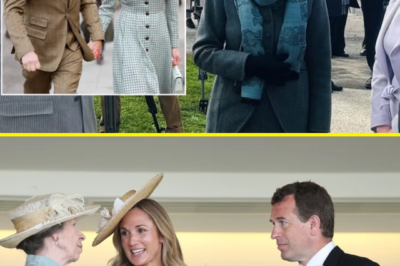
ROYAL AFTERSHOCK — Princess Anne reappears after Peter Phillips’ wedding announcement blunder… but her reaction is what’s raising eyebrows
Peter Phillips will marry Harriet Sperling this summer Princess Anne has been photographed for the first time since her son’s…

QUIET AFTER THE STORM — Meghan Markle spotted enjoying peaceful Easter prep with Archie Harrison & Lilibet Diana following royal tensions… a softer side emerges
The duchess has previously demonstrated her enthusiasm for the Christian holiday Meghan Markle was captured by photographers whilst browsing a…
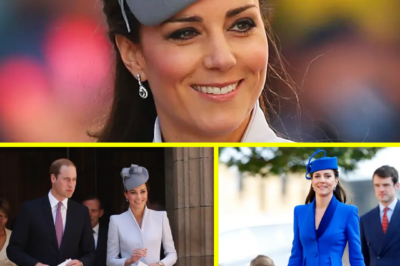
Catherine, Princess of Wales didn’t just show up this Easter — she made a statement.
The Prince and Princess of Wales spent Easter Sunday 2014 at a church service in Sydney amid a three-week royal…

A former co-star of Meghan Markle has spoken out — and it’s the body language details that are getting all the attention.
The former actress and Suits star played love interests in the legal drama from 2011 until 2018 and worked on…
End of content
No more pages to load