A quiet but significant shift appears to be taking place within the British royal family — one that reflects a growing effort to protect the institution’s long-term stability. At the center of this shift is Prince William, who is increasingly seen as adopting a firmer, more deliberate stance as scrutiny surrounding Andrew Mountbatten-Windsor continues to linger.
In recent months, public attention has once again turned toward Andrew, with renewed discussion of past controversies and their lasting impact on the monarchy’s image. While much of the focus remains on events that have already unfolded, the ripple effects are still being felt — both within royal circles and among the public. For a family that relies heavily on public trust and perception, even unresolved questions can carry significant weight.
Against this backdrop, William’s approach appears to signal a broader shift in priorities. Rather than allowing the situation to fade quietly into the background, there is a growing sense that clearer boundaries are being established. Reports and commentary from royal watchers suggest that efforts to further distance Andrew from the visible and active parts of royal life are being taken more seriously than before. This includes limiting his presence at key royal locations and reducing his role in any public-facing capacity.
One location often mentioned in these discussions is Sandringham House, a long-associated royal estate that has historically been a place of retreat for members of the family. While there is no official confirmation of specific changes tied to this residence, its symbolic importance makes it a focal point whenever questions of proximity and visibility arise. Any perceived shift involving such locations tends to draw heightened attention, not because of concrete announcements, but because of what it might represent.
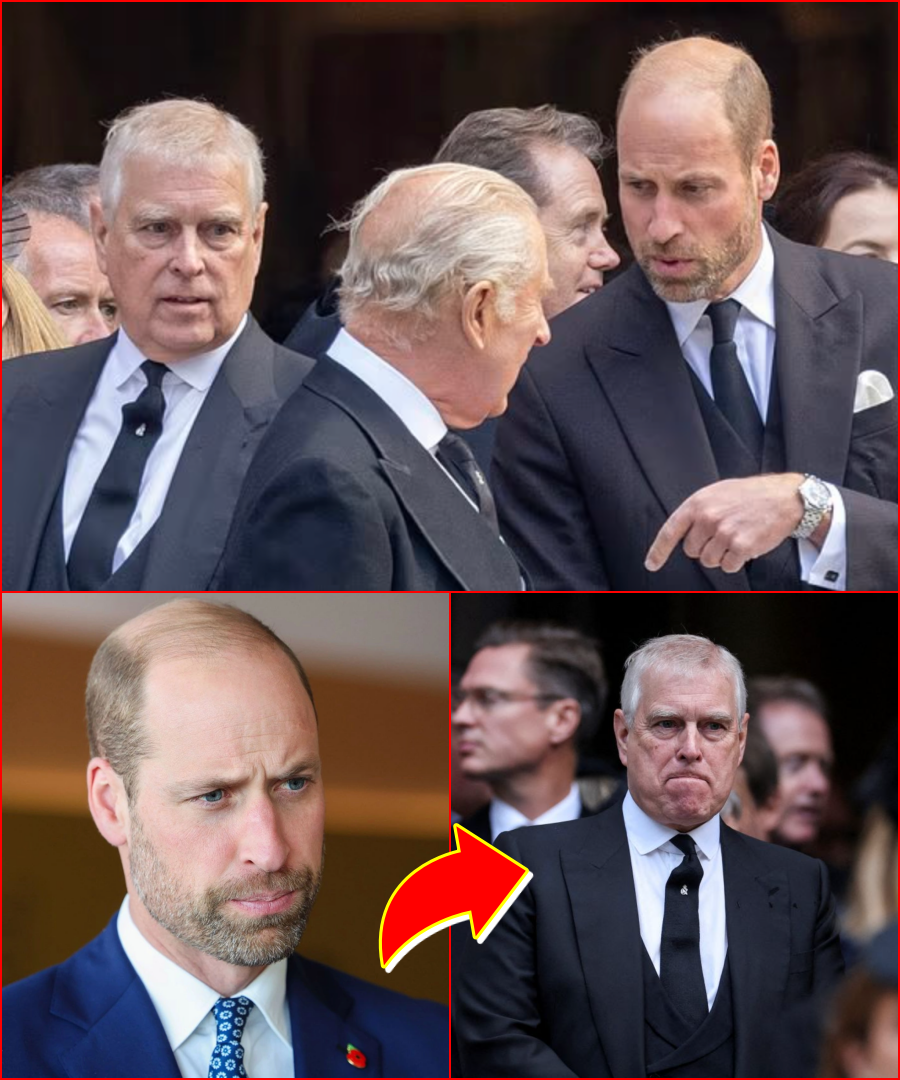
For William, who is widely regarded as a future King focused on modernization and stability, the situation goes beyond any single individual. It reflects a balancing act between tradition and accountability — maintaining continuity while also responding to evolving public expectations. In this context, decisions about roles, appearances, and associations take on added significance, particularly when they involve figures who have been at the center of controversy.
At the same time, the absence of detailed official statements has left space for interpretation. Without explicit confirmation, much of the current narrative is shaped by inference, analysis, and the careful reading of subtle shifts in tone and positioning. This ambiguity has only fueled further discussion, as observers attempt to piece together what these developments might mean for the monarchy’s direction moving forward.
What remains clear is that the royal family is navigating a sensitive moment — one where perception, reputation, and long-term strategy intersect. Whether these moves are part of a coordinated effort or simply the natural evolution of an ongoing situation is still open to interpretation. But the underlying message appears consistent: the future of the monarchy is being considered with increasing caution.
As attention continues to build, one question quietly lingers beneath the surface: are these measured steps enough to restore and maintain public confidence — or do they signal that deeper changes may still lie ahead?
News
FULL FOOTAGE RELEASED: Jaro City Lil Mikey Sh0t & K!lled After Munna Ikee Diss at FBG Duck Gas Station
An unverified but widely shared report suggests that Jaro City drill rap figure Lil Mikey was shot and killed during…
J. COLE SPEAKS OUT — IS HE REALLY RETIRING AFTER “THE FALL OFF”?
ATLANTA, GA – FEBRUARY 28: Rapper J. Cole attends a party “Alibi Tuesday Night” at TRUTH Nightclub on February 28,…
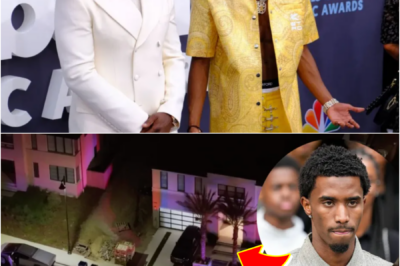
CHRISTIAN COMBS TARGETED — ATTEMPTED BURGLARY SH0CKS FANS: Reports have emerged that Christian Combs narrowly avoided an attempted burglary, and the news has quickly drawn attention online
NEW YORK, NEW YORK – JULY 02: King Combs, son of Sean “Diddy” Combs, arrives at Manhattan Federal Court for…
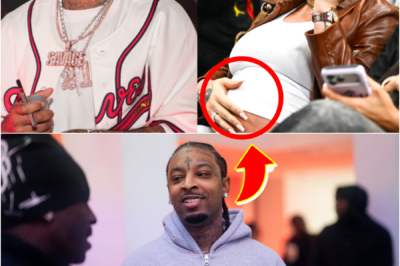
21 SAVAGE’S SWEET RESPONSE TO LATTO’S PREGNANCY ANNOUNCEMENT HAS FANS BUZZING
ATLANTA, GEORGIA – DECEMBER 12: Olaolu Slawn and 21 Savage attends What Happened To The Streets (WHTTS) Art Exhibition &…
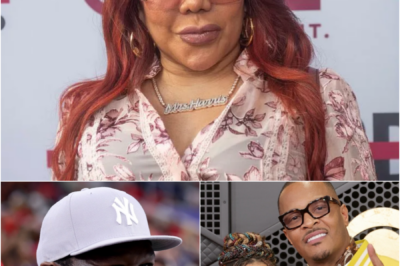
TINY SPEAKS OUT — T.I./50 CENT BEEF AND HER RED CARPET APPEARANCE UNDER THE MICROSCOPE
ATLANTA, GEORGIA – MARCH 10: Tameka “Tiny” Harris attends The Premiere Screening of TV One’s “UNCENSORED” at RETREAT by The…
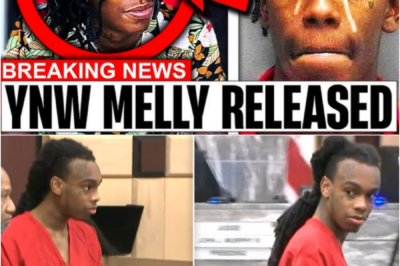
SH0CKING: YNW Melly requests to be released again after being in jail for seven years — And the Outcome Isn’t What We Expected…
The rapper’s lawyers say he’s been subjected to “flagrantly restrictive” solitary confinement while awaiting trial. Rapper YNW Melly reacts during…
End of content
No more pages to load