Federal prosecutors have filed a superseding indictment against Big U, adding new alleged overt acts that expand the scope of the government’s case. The updated filing references intercepted wiretap calls, alleged threats, racketeering-related claims, and statements that include mentions of Nipsey Hussle.
It is critical to clarify at the outset: Nipsey Hussle’s 2019 killing was prosecuted as a state case, and Big U is not charged in connection with that homicide. The individual responsible for Nipsey’s death was convicted in California state court. However, the language contained in the new federal indictment has reignited intense public discussion because of how prosecutors describe certain conversations and alleged organizational dynamics.
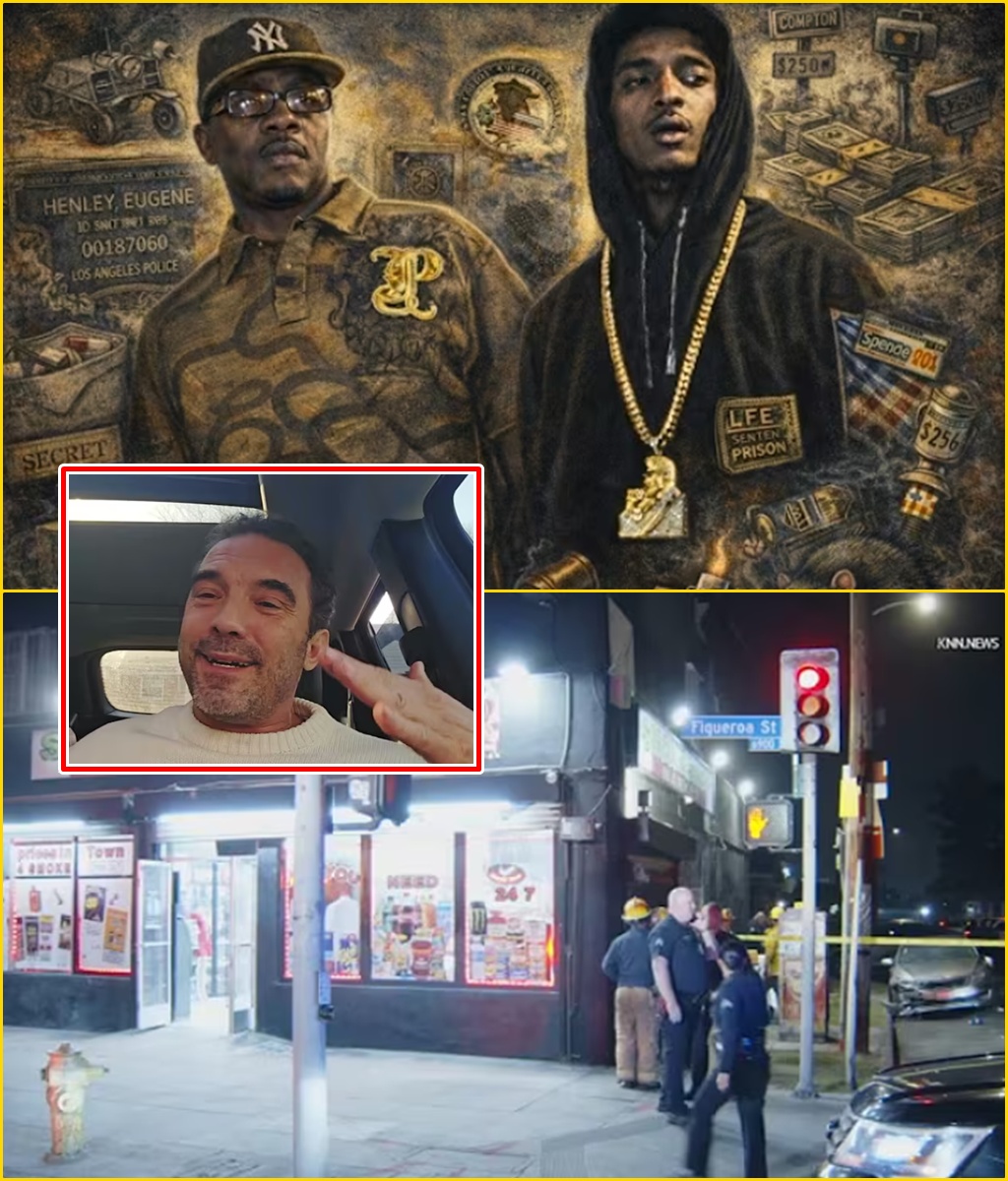
According to court documents, federal authorities outline intercepted communications in which Big U allegedly discussed themes of discipline, authority, and control within the Rollin’ 60s Neighborhood Crips. Prosecutors characterize these statements as part of a broader racketeering narrative, arguing that the organization functioned with structured leadership, enforcement mechanisms, and coordinated activity.
The superseding indictment reportedly expands beyond prior allegations, incorporating claims related to intimidation tactics, organized criminal conduct in Los Angeles, and even prison contraband schemes. Federal prosecutors appear to be building a case under statutes commonly associated with racketeering frameworks, which allow the government to present patterns of activity rather than isolated incidents.
Legal analysts note that a superseding indictment does not mean a conviction is imminent. Instead, it reflects the prosecution’s effort to refine or broaden its allegations as investigations continue. Wiretap evidence, if admissible, can carry significant weight in federal court — but context, intent, and interpretation remain central to how such recordings are evaluated before a jury.
The mention of Nipsey Hussle within the filing has amplified public reaction, even though the indictment does not charge Big U in relation to the rapper’s death. For many in the hip-hop community, any official document referencing Nipsey’s name naturally draws heightened scrutiny. His legacy carries enormous emotional weight, and unresolved tensions from the past often resurface whenever legal developments intersect with familiar figures.
Online reaction has been swift and polarized. Some observers argue that the indictment signals a major federal crackdown on long-alleged organized activity in Los Angeles. Others caution against reading beyond what the charges explicitly state. Defense attorneys have not yet had the opportunity to challenge the allegations in full, and as with all federal cases, the defendant is presumed innocent unless proven guilty in court.
What happens next will depend on pretrial motions, evidentiary rulings, and whether the case proceeds to trial or results in negotiated outcomes. Racketeering cases can be complex and lengthy, often involving extensive documentation and testimony.
For now, the superseding indictment represents a significant legal escalation. While it does not alter the concluded state prosecution surrounding Nipsey Hussle’s murder, it does introduce new federal allegations that could carry serious consequences if proven.
As the court process unfolds, the focus will shift from speculation to legal arguments presented inside the courtroom — where evidence, not headlines, ultimately determines the outcome.
News

STREETS, LOSS, AND LOYALTY: RUMORS SWIRL AROUND RAPPER K SHORDY AS PAST CONFLICTS AND A TRAGIC DE-ATH RESURFACE
In the world of street rap, perception can be just as powerful—and dangerous—as reality. And right now, few names are…
FROM CEO TO TARGET: BULLETS END A BLO0DY CHAPTER AS BATON ROUGE LABEL BOSS IS EXECUTED AFTER YEARS OF WAR, BETRAYAL, AND FEDERAL HEAT
The rise was as dramatic as the fall. In the streets of Baton Rouge, his name carried weight—equal parts respect,…
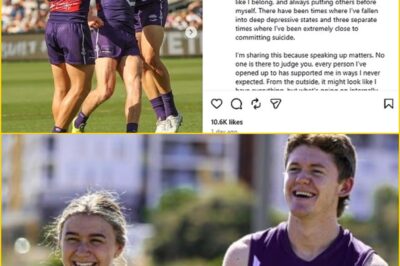
BEHIND THE SPOTLIGHT, A DARK TRUTH: AFL STAR’S HEARTBREAKING ADMISSION OF SUIC-IDAL THOUGHTS SH0CKS FANS
Fremantle star Nathan O’Driscoll took to social media to open up about his mental health struggles. In the heartbreaking post,…
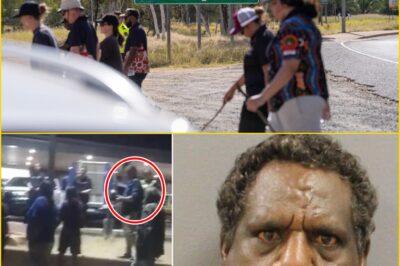
FROM DESPERATE SEARCH TO CHILLING BREAKTHROUGH: MISSING GIRL CASE TAKES A DEVASTATING TURN AS SUSPECT IS FINALLY CAUGHT
Northern Territory Police have arrested Jefferson Lewis, the man investigators believe abducted and killed five-year-old Sharon Granites. NT Police on Thursday…
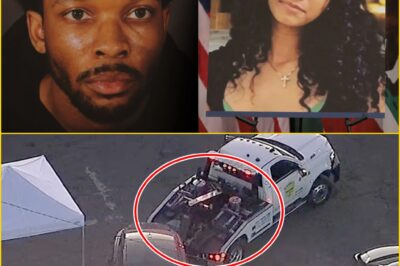
FROM ARGUMENT TO TRI-AL — NEW DETAILS EMERGE AS JURY HEARS PROSECUTION’S CASE IN CELeste RIVAS INVESTIGATION
Singer D4vd allegedly used chainsaws when he dismembered 14-year-old Celeste Rivas Hernandez and a ‘burn cage’ to destroy evidence, chilling…
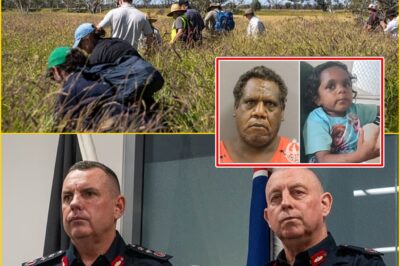
FROM SEARCH TO CRIME SCENE — HOW THE HUNT FOR 5-YEAR-OLD SHARON TOOK A DARK TURN, TRIGGERING A DIRECT POLICE APPEAL
Police have found the body of missing five-year-old Sharon Granites, five days after she vanished after being led into the…
End of content
No more pages to load