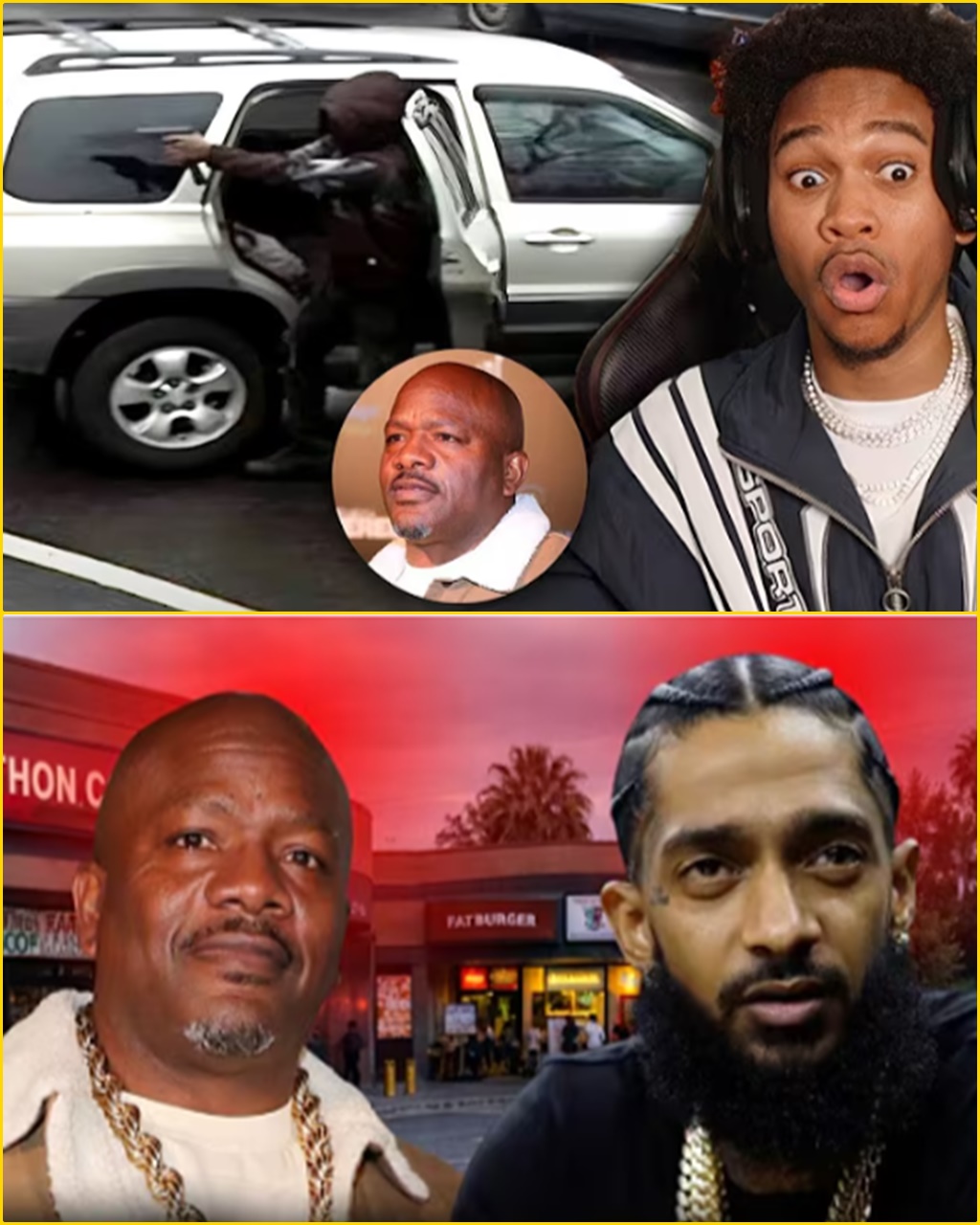
The internet has been in overdrive after viral claims began circulating about alleged federal wiretap recordings involving Big U — and the unexpected mention of Nipsey Hussle in newly discussed court documents. Social media timelines exploded almost overnight, with hip hop blogs, livestreams, and street commentators dissecting every screenshot, headline, and partial quote that surfaced.
So what actually happened — and what is simply speculation?
At the center of the controversy are federal filings tied to an ongoing investigation unrelated to Nipsey’s 2019 murder case. Within those documents, prosecutors reportedly referenced intercepted communications gathered through court-authorized wiretaps. Online commentators quickly zeroed in on language that allegedly mentioned Nipsey’s name, prompting waves of dramatic interpretations across YouTube, X, and Instagram.
However, it’s important to clarify: the documents being discussed do not charge anyone in connection with Nipsey Hussle’s death. His killer, Eric Holder, was convicted in 2022, and that case is legally closed. The current debate stems from separate federal matters in which recorded conversations were summarized by investigators as part of broader racketeering and conspiracy allegations.
The viral reaction appears to have been fueled by partial excerpts rather than full transcripts. Legal experts note that federal wiretap summaries often condense conversations into paraphrased language rather than providing word-for-word context. That distinction matters. Without full recordings or complete context, interpretation can easily spiral.
Still, the optics alone were enough to ignite outrage online.
Some fans viewed the reports as deeply unsettling, arguing that any alleged hostile reference to Nipsey’s name feels disturbing given his legacy and the circumstances of his death. Others urged caution, reminding viewers that federal indictments often include aggressive prosecutorial framing designed to strengthen broader cases.
Street reactions have been equally intense. Longstanding community tensions and rival narratives quickly resurfaced. In hip hop culture, where loyalty, reputation, and legacy carry enormous weight, even indirect implications can trigger serious backlash.
At the same time, legal analysts emphasize a key principle: allegations in court documents are not convictions. Prosecutors outline claims to build their case, but those claims must ultimately be proven in court. Defense attorneys frequently argue that wiretap excerpts can be mischaracterized or lack full conversational context.
Another layer adding fuel to the fire is the broader conversation about federal surveillance. Wiretaps require judicial approval, and when authorized, investigators may collect months of recorded material. But the public rarely sees the entire scope. Instead, snippets are introduced strategically to support specific charges.
This is where speculation often fills the gaps.
Online debates have ranged from detailed legal breakdowns to conspiracy-level theories. Some creators have attempted to reconstruct timelines, comparing dates of alleged conversations to major events. Others have focused on language tone, attempting to infer intent from reported summaries.
But here’s what’s confirmed:
• Federal documents referencing intercepted communications exist.
• Those documents reportedly mention Nipsey’s name in summarized conversations.
• No new charges related to Nipsey Hussle’s murder have been filed.
Everything beyond that enters interpretation territory.
The situation highlights a recurring issue in viral news cycles — how quickly complex legal filings can be reduced to sensational headlines. When partial information spreads faster than context, narratives can solidify before facts are fully understood.
For Nipsey Hussle’s supporters, emotions understandably run high. His impact on Los Angeles and hip hop culture remains profound years after his passing. Any suggestion of hidden dynamics surrounding his name is bound to generate strong reactions.
For now, this remains a developing legal conversation rather than a resolved conclusion. As more information becomes publicly available, clarity may follow. Until then, separating verified documentation from internet amplification is crucial.
One thing is certain: when federal wiretaps, high-profile names, and unresolved public emotions collide, the internet is going to react — fast and loudly.
News

STREETS, LOSS, AND LOYALTY: RUMORS SWIRL AROUND RAPPER K SHORDY AS PAST CONFLICTS AND A TRAGIC DE-ATH RESURFACE
In the world of street rap, perception can be just as powerful—and dangerous—as reality. And right now, few names are…
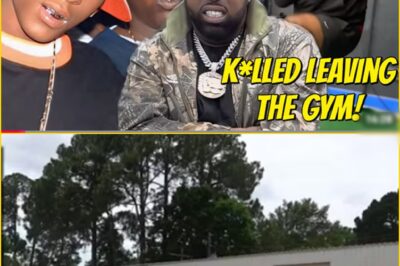
FROM CEO TO TARGET: BULLETS END A BLO0DY CHAPTER AS BATON ROUGE LABEL BOSS IS EXECUTED AFTER YEARS OF WAR, BETRAYAL, AND FEDERAL HEAT
The rise was as dramatic as the fall. In the streets of Baton Rouge, his name carried weight—equal parts respect,…
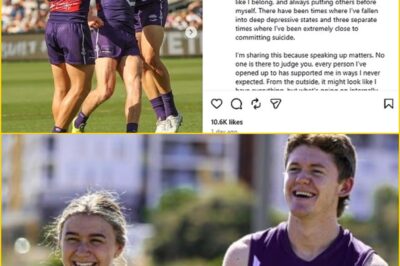
BEHIND THE SPOTLIGHT, A DARK TRUTH: AFL STAR’S HEARTBREAKING ADMISSION OF SUIC-IDAL THOUGHTS SH0CKS FANS
Fremantle star Nathan O’Driscoll took to social media to open up about his mental health struggles. In the heartbreaking post,…

FROM DESPERATE SEARCH TO CHILLING BREAKTHROUGH: MISSING GIRL CASE TAKES A DEVASTATING TURN AS SUSPECT IS FINALLY CAUGHT
Northern Territory Police have arrested Jefferson Lewis, the man investigators believe abducted and killed five-year-old Sharon Granites. NT Police on Thursday…
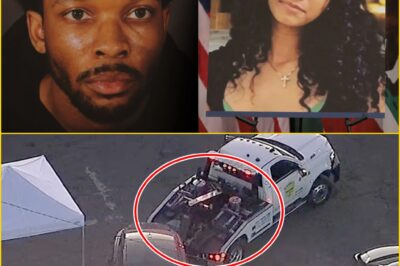
FROM ARGUMENT TO TRI-AL — NEW DETAILS EMERGE AS JURY HEARS PROSECUTION’S CASE IN CELeste RIVAS INVESTIGATION
Singer D4vd allegedly used chainsaws when he dismembered 14-year-old Celeste Rivas Hernandez and a ‘burn cage’ to destroy evidence, chilling…
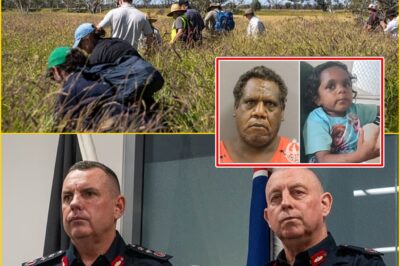
FROM SEARCH TO CRIME SCENE — HOW THE HUNT FOR 5-YEAR-OLD SHARON TOOK A DARK TURN, TRIGGERING A DIRECT POLICE APPEAL
Police have found the body of missing five-year-old Sharon Granites, five days after she vanished after being led into the…
End of content
No more pages to load