
When Elon Musk purchased Twitter in a headline-shattering $44 billion deal, the world thought he was either a genius… or a madman. The platform was collapsing under its own weight: toxic discourse, relentless bot swarms, advertiser distrust, and a user base that felt trapped on a sinking ship. Most believed Twitter was beyond repair — a relic of the 2010s that had run out of relevance.
Musk didn’t agree.
Instead of patching holes, he blew up the entire blueprint and rebuilt the platform into what he calls X — a radically different vision for digital communication, one designed to be faster, freer, more open, and far more unpredictable.
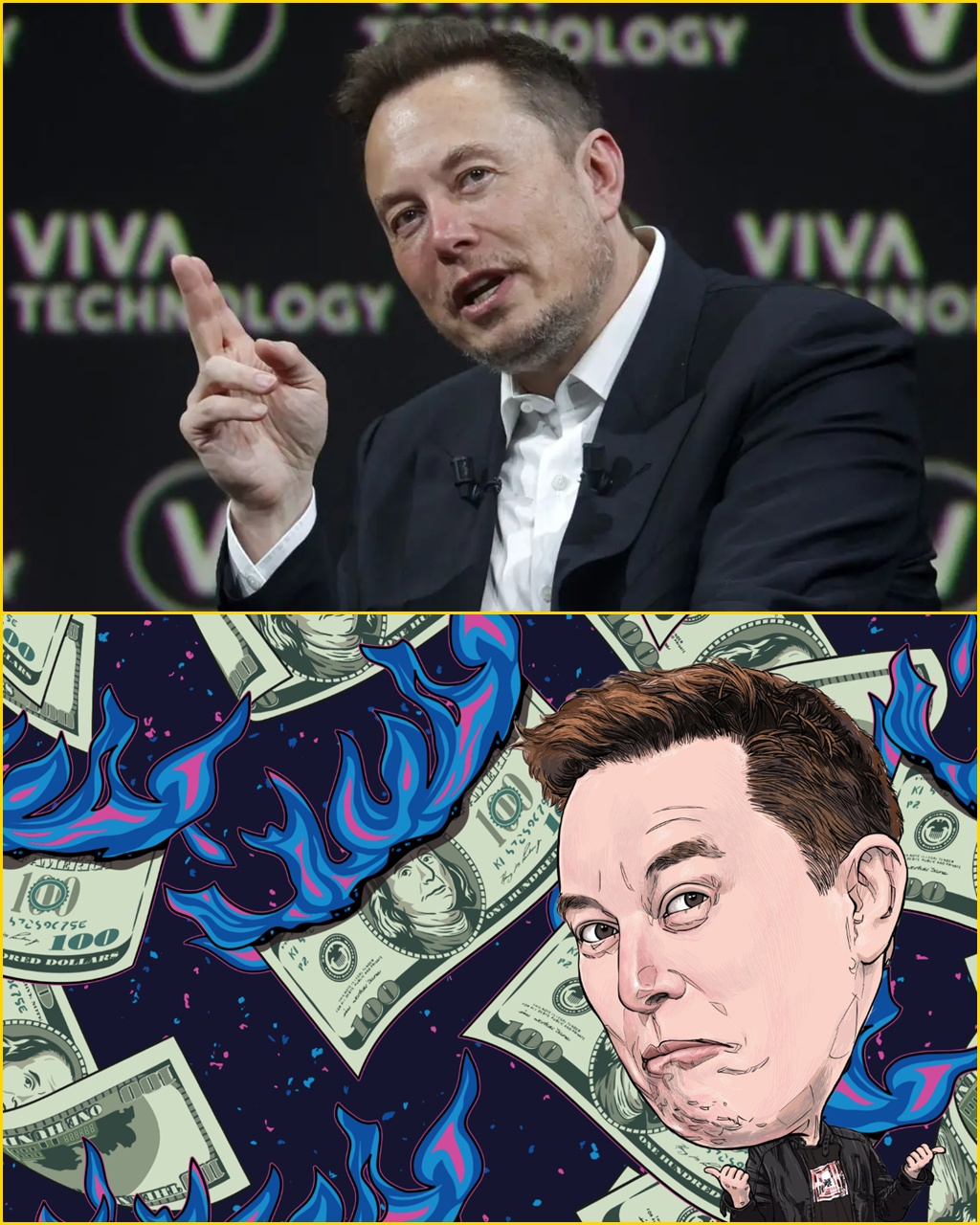
And in doing so, he didn’t just save the platform.
He obliterated the old rulebook, the unwritten assumptions that Big Tech had followed for years. Musk wasn’t interested in quiet evolution — he wanted a revolution.
🔥 The Takeover That Lit the Internet on Fire
Within hours of acquiring the company, Musk fired top executives, rewired internal operations, and moved forward with a restructuring so massive and aggressive it became global news. Critics screamed chaos. Supporters called it long-overdue liberation.
Behind the noise, one truth remained:
Twitter had been stagnating for years, and Musk was the first leader willing to tear out the rot.
⚡ He Attacked the Platform’s Core Problems Head-On
Musk identified Twitter’s biggest threats — bot armies, censorship controversies, slow innovation, advertiser fear — and tackled each with reckless speed.
He introduced:
X Premium (the blue check reboot)
A revamped algorithm built for transparency
Community Notes to decentralize fact-checking
Creator monetization tools that finally allowed users to earn
And a long-term plan to transform X into an “everything app,” combining payments, video, messaging, commerce, and more.
This wasn’t maintenance.
This was a reinvention at warp speed.
🔥 Critics Called It Disaster — Until the Numbers Hit Back
Mainstream outlets predicted collapse. Influencers declared they were leaving. Advertisers backed off. The narrative became: Musk broke Twitter.
But then came the unexpected twist:
User engagement hit record highs
Long-form content exploded
Creators began making real income
X became a major battleground for politics, culture, and global news
And most importantly:
X transformed from a traditional social platform into the loudest, most influential public town square on Earth.
⚡ Musk’s Real Goal: Build a New Digital Economy
What many critics still miss is that Musk never intended X to remain just a social network.
His endgame is far bigger:
An all-in-one digital empire where communication, payments, commerce, and AI converge.
He’s turning X into the skeleton of the future internet — a place where creators, consumers, brands, and global movements collide in real time.
🔥 The Verdict: Polarizing, Chaotic… and Revolutionary
Love him or hate him, Musk has achieved what no tech CEO has dared attempt in decades:
He didn’t just change the platform.
He changed the rules of the internet.
X is now faster, wilder, more democratic, more profitable for creators, and undeniably more culturally powerful than it has been in years.
And for Musk, this isn’t the finish line.
It’s only the beginning.
News

DOCTORS ISSUE CHI-LLING UPDATE ON TWO CHILDREN AFTER Utah FAMILY TRAGEDY
Credit : GoFundMe (3) NEED TO KNOW On Monday, March 30, a Utah mother called 911 to report a fight between…

Kaylene Allred REMEMBERED AS DEVOTED MOTHER AND COMMUNITY HERO AFTER TRAGIC MU-RDER-SUI-CIDE IN Utah
A Utah woman made an agonizing call for help to 911 moments before her husband shot their whole family in a horrific…

TAKE MY SON… PLEASE SAVE MY SON! — Utah MOM’S FINAL ACT OF COURAGE CAUGHT IN CHI-LLING 911 CALL
A Utah woman made an agonizing call for help to 911 moments before her husband shot their whole family in a horrific…

HE’S LOST HIS MIND… SEND HELP NOW! — POLICE REVEAL H0RRIFYING DETAILS FROM LAST 911 CALL BEFORE Utah FAMILY TRA-GEDY
A Utah woman made an agonizing call for help to 911 moments before her husband shot their whole family in a horrific…
THIS IS WHERE YOUR STORY FALLS APART… — Liam Bartlett CORNERS Chris Bowen IN EXPLOSIVE RENEWABLES SHOWDOWN
Energy Minister Chris Bowen has copped a spray from Channel 7’s Liam Bartlett with the TV reporter shouting “you’re a…

THIS WAS THE FINAL STRAW: Inside Kyle Sandilands and Jackie O’s Explosive Feud — And the Bizarre Request That Ignited Listener Revolt
Kyle Sandilands wanted to be ‘friends again’ with co-host Jackie ‘O’ Henderson by phoning her on live radio to talk about his weight loss success,…
End of content
No more pages to load