
Oppenheimer, directed by Christopher Nolan, is not an easy or purely entertaining film. It is a serious work of cinema that demands patience and attention, but rewards viewers with a deeply reflective experience. As the film prepares to leave Netflix, this is an appropriate moment to revisit why Oppenheimer deserves to be seen at least once.
The film tells the story of J. Robert Oppenheimer, the theoretical physicist often called the “father of the atomic bomb” and the leader of the Manhattan Project during World War II. Rather than focusing on warfare or spectacle, Nolan approaches the story from an intimate perspective, portraying the journey of an extraordinary intellect—and the personal tragedy of a man burdened by consequences far beyond his control.
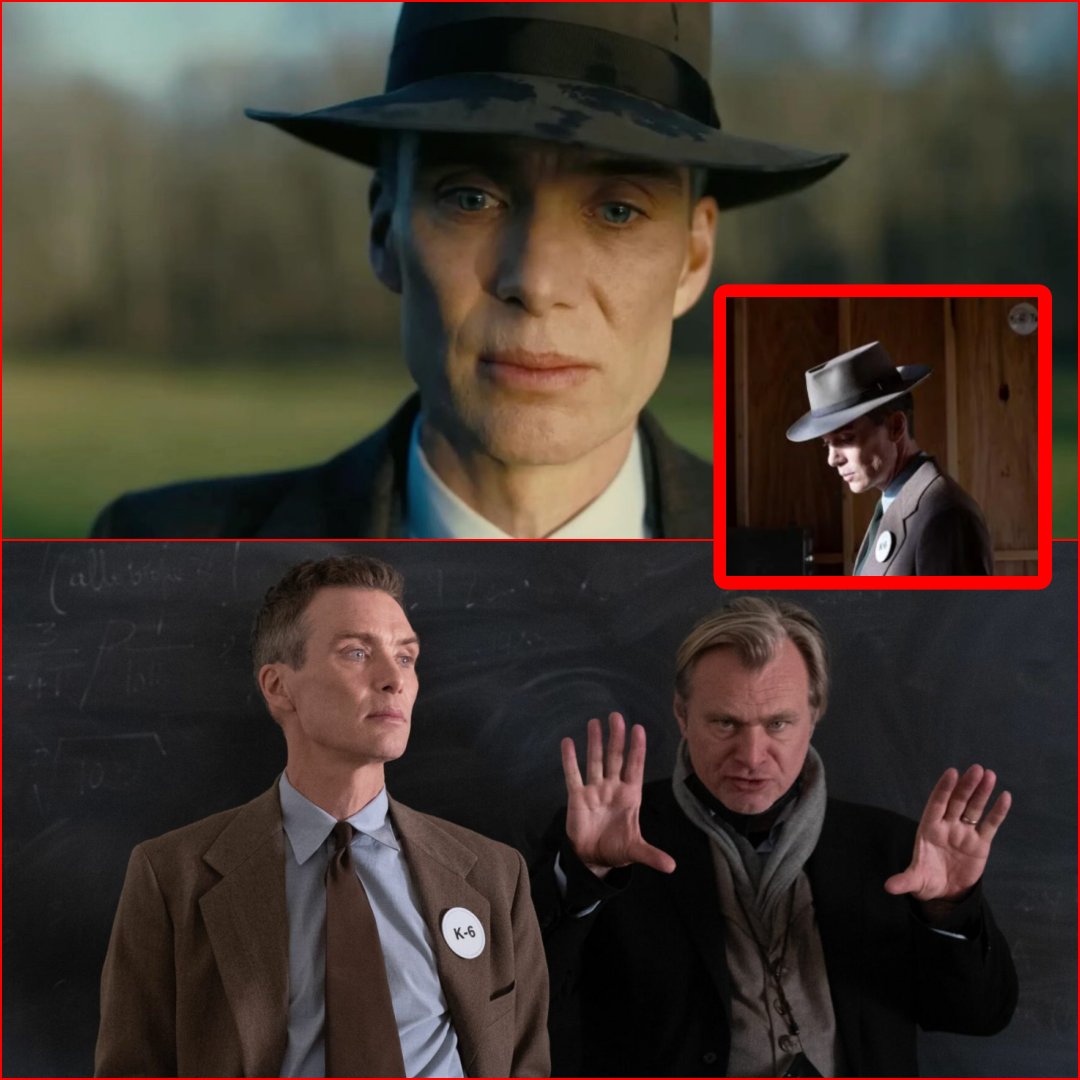
Subtle, Controlled Performances
Cillian Murphy delivers a restrained and deeply layered performance. His Oppenheimer is brilliant, sensitive, and perpetually uneasy. Murphy avoids overt emotional displays; instead, his use of silence, glances, and hesitation gives the character its emotional weight. It is a performance that allows the audience to feel the character’s inner conflict rather than be told about it.
Supporting performances from Robert Downey Jr., Emily Blunt, and Matt Damon are equally effective, helping to build a complex world shaped by science, politics, and power.
A Deliberate Pace with Purpose
With its long runtime and dialogue-heavy structure—particularly during the political hearings—Oppenheimer can feel demanding for some viewers. However, this pacing is intentional. Nolan uses it to reflect the sustained tension of Oppenheimer’s life and the era’s atmosphere of suspicion, rivalry, and moral uncertainty.
The film resists offering clear moral judgments. Instead, it invites viewers to confront difficult questions about the relationship between scientific progress, political authority, and ethical responsibility.
A Film That Lingers After the Credits
The greatest strength of Oppenheimer lies in its aftereffect. This is not a film that provides immediate emotional release. Rather, it leaves audiences unsettled, reflective, and questioning—about humanity, about innovation, and about the cost of decisions that shape history.
Conclusion
Oppenheimer may be challenging in a conventional sense, but it is a rewarding experience for viewers seeking thoughtful, well-crafted cinema. As the film prepares to leave Netflix, it offers a timely opportunity to engage with one of Christopher Nolan’s most substantial and contemplative works in recent years.
News

💥 THREE WORDS THAT MELTED HEARTS — Princess Charlotte Turns to the Camera at Easter and Quietly Says It…
Prince William got in on the coordinated look as well From left: Princess Charlotte, Kate Middleton, Prince George, Prince Louis…

THE FATEFUL DIAMOND CHAIN — Kevin “Tugg” Watson Sh0t D3ad on Facebook Live in South Austin, Ch!lling Argument Footage Leaves Viewers Shaken
What began as a routine livestream quickly spiraled into a moment that would leave viewers stunned and searching for answers….

WATCH VIDEO: Tugg Watson’s Family Drops Bombshell on K!llers – Chicago PD Ignored Key Evidence!
The case surrounding the death of Tugg Watson has taken a dramatic and unsettling turn, as his family steps forward…

CHAOS ERUPTS — Chief Keef Reacts After Cousin Is Taken in Sh0cking Chicago Incident
Tensions in Chicago have once again erupted into chaos, and this time the situation has hit close to home for…
“SHE CALLED ME A DISGRACE IN FRONT OF THE ENTIRE BOARD…” — But When the Keynote Speaker Walked Past Everyone and Stopped at My Table, the Whole Room FROZE as He Said: “I KNOW… I WAS THE ONE WHO SIGNED IT!
Part 1 My aunt told the alumni board I had been fired for misconduct. She put it in writing on…
💥 “THE DOOR WAS KICKED IN… I WAS ARRESTED RIGHT IN FRONT OF THE ENTIRE COMPANY” — The CEO Stood Behind the Glass, Smiling, Thinking His Perfect Setup Had Worked… But a 2:47 AM Post Destroyed Everything! 😱🔥
PART 1 They Kicked Down My Office Door And Arrested Me In Front Of Everyone I’d Worked With For Eleven…
End of content
No more pages to load