The death of Nikko Whitehead has recently gained significant attention online, not only because of the tragedy itself but also due to the wave of viral stories that followed. While social media has circulated dramatic claims — including rumors that he predicted his own death or was killed during a livestream — verified information presents a much more grounded reality.
According to confirmed reports, Nikko Whitehead, 35, was fatally shot in Chicago in June 2024. He was found with multiple gunshot wounds in the Humboldt Park area. Emergency responders arrived at the scene, but he did not survive. Authorities classified the case as a homicide, though as in many similar cases, public details regarding suspects or motives have remained limited.
In the aftermath of his death, however, a different kind of narrative began to take shape online. Clips and posts quickly spread across platforms like Facebook, TikTok, and YouTube, attaching sensational and often unverified claims to his story. Some suggested that Whitehead had been livestreaming at the time of the incident. Others claimed he had spoken about betrayal or hinted at danger shortly before his death, framing his words as a kind of “prediction.”
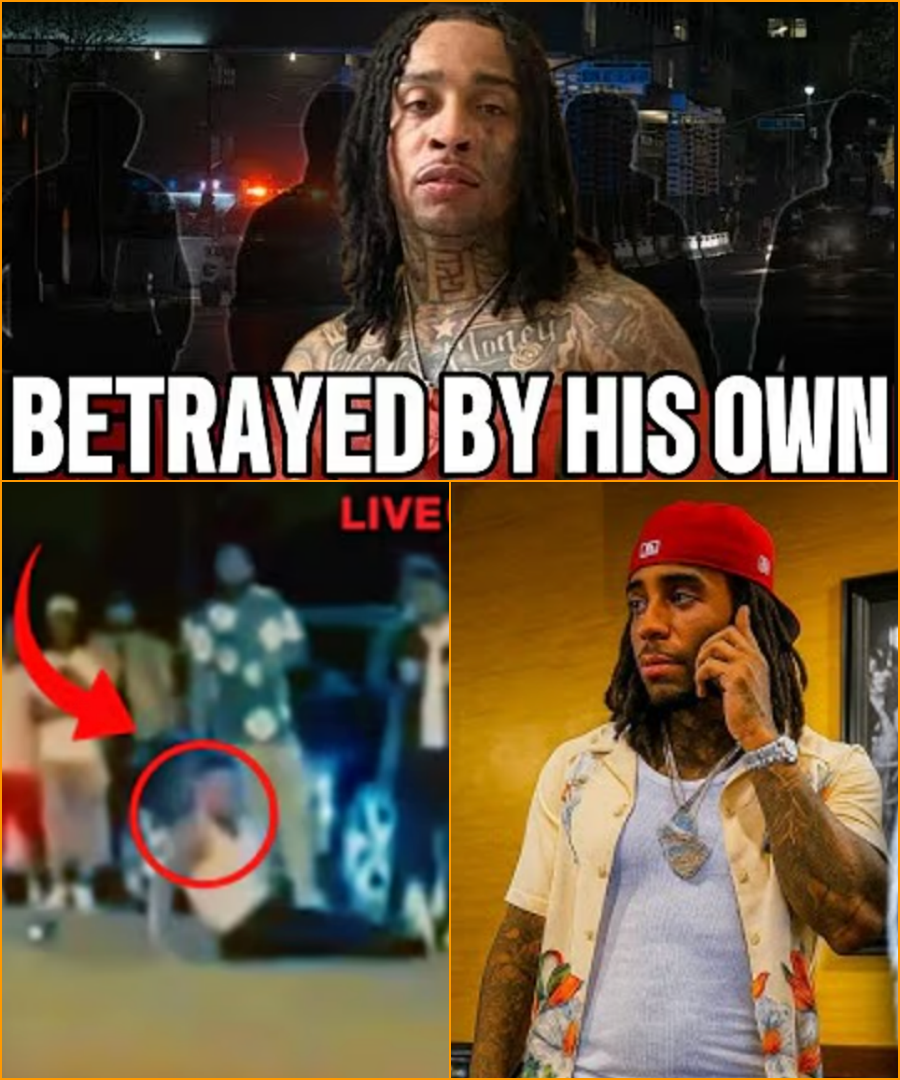
There is no credible evidence supporting these claims.
Many of these viral narratives appear to be constructed by combining unrelated footage, misidentified individuals, and speculation designed to capture attention. In some cases, entirely different incidents are edited together and presented as one continuous story. This kind of content is built for emotional impact, making it highly shareable even when it lacks factual accuracy.
The case highlights a broader issue in the digital age: how quickly real-world events can be reshaped once they enter the online environment. In cities like Chicago, where gun violence remains an ongoing concern, individual tragedies are often absorbed into larger cultural narratives. Because of the city’s association with drill music and street conflicts, audiences may draw conclusions that are not supported by verified information.
Another factor contributing to the spread of misinformation is the rise of livestream culture. Platforms that allow real-time broadcasting have changed how people perceive events. The idea that something shocking could happen live in front of an audience adds intensity to any story, even when there is no proof that it actually occurred that way. The mere possibility can make exaggerated or false claims feel believable.
Public reactions to these viral stories often follow a familiar pattern. Many viewers express shock and ask why no one intervened. Others attempt to analyze clips and build their own theories. However, these reactions often overlook the reality of how people respond to sudden violence. Such situations are chaotic and confusing, and those present are usually acting out of fear and instinct rather than clear judgment.
Ultimately, the story of Nikko Whitehead is not about a livestream mystery or a confirmed prediction. It is about a real person who lost his life to gun violence, and how that loss was transformed into viral content that blurred the line between fact and fiction.
His case serves as a reminder of the responsibility that comes with consuming and sharing information online. Behind every trending headline is a human story that deserves accuracy and respect. While social media has the power to inform, it also has the power to distort, especially when speed and attention take priority over truth.
In the end, the most important reality remains unchanged: a life was lost, a family is grieving, and a community has been affected. Everything else should be approached carefully, with a critical eye and a commitment to facts over speculation.
News
“YOU’RE IN OUR HOUSE—BOW DOWN!” – They M0cked the ‘Weak’ Medic… Seconds Later, She Dr0pped Them Both Cold in Front of 180 SEALs
Part 1 There are places where the air itself feels judgmental. The grinder at Coronado was one of them. Even…
ANOTHER N!GHTMARE… AND… – Daughter of farmer allegedly k!lled in Ouyen breaks down as she reveals a SECOND devastating family trag3dy…
Richard Wills, 65, was found shot dead in a shallow grave on his rural property after he failed to return…
Meghan Markle NO BEEF?! Netflix Party PR Move With Ted Sarandos EXPOSED!
The April 10 event was also attended by Justin Trudeau, Katy Perry, Orlando Bloom and Carey Mulligan. Prince Harry, Meghan…
SHE LIT UP EVERY ROOM… — Family of Dolly Martinez breaks silence with heartbreaking tribute after her p@ssing at 30…
“My 600-Lb. Life” star Dolly Martinez has died at the age of 30. Martinez’s sister, Lindsey Cooper, announced the sad…
SHE PL-EA-DED… BUT IT DIDN’T STOP HIM… – New details from Tanner Horner’s confession in the de-ath of 7-year-old Athena Strand ignite nationwide fury — a chi-lling account that has left many unable to process what was revealed…
Killer FedEx driver Tanner Horner revealed the chilling final words he said to 7-year-old Athena Strand before strangling her inside his…
THEY KEPT THIS SECRET FOR NINE MONTHS… — Bernard Tomic & His Glamorous Partner Reveal Secret Baby Joy… And Her Name Has Everyone Talking…
From Kylie Jenner to Katy Perry – the crowd at Coachella Valley Music and Arts Festival has been nothing short of star-studded. And joining the mix…
End of content
No more pages to load