
Netflix’s latest true-crime documentary, The Delphi Murders — The Case Against Richard Allen, has gripped viewers since its January 8 premiere, revisiting one of America’s most haunting unsolved cases — the February 13, 2017, murders of 13-year-old Abigail “Abby” Williams and 14-year-old Liberty “Libby” German in Delphi, Indiana — and chronicling the long, tortuous path to the arrest and ongoing trial of the man now accused of killing them.

The two girls vanished while hiking on the Monon High Bridge Trail, a popular local spot. Libby’s phone captured the chilling audio of a man saying “Down the hill” — the only known recording of the suspect’s voice — and a grainy video image of a man walking on the bridge. For more than five years, the case remained unsolved, with the small town of Delphi living under a shadow of fear, suspicion, and countless false leads. The girls’ bodies were found the next day off a rural path, sparking one of the largest manhunts in Indiana history.
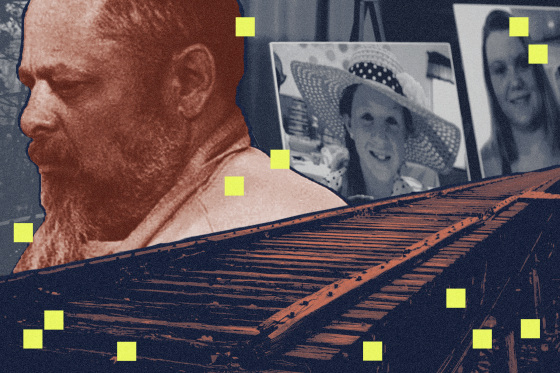
The Netflix series, directed by Emmy-winning documentarian Skye Borgman, uses raw interviews with investigators, family members, friends, and local residents to trace how the case finally cracked open. In October 2022, Richard Allen, a 50-year-old pharmacy technician who lived just blocks from the trail, was arrested after confessing to a prison psychologist that he had killed the girls. Allen, who had never been on police radar, had reportedly told his wife he was on the trail that day and had seen the girls — details he later denied in court.
The documentary does not shy away from the disturbing details: Allen’s alleged confessions (more than 60, according to prosecutors), his claims of hearing voices telling him to kill, and the physical evidence recovered from his home, including a .40-caliber round matching one found at the scene. It also examines the prosecution’s theory that Allen acted alone, driven by dark impulses, and the defense’s counter-argument that the confessions were coerced or delusional, and that police ignored other potential suspects.
Interviews with Abby and Libby’s families are especially powerful. Becky Patty (Libby’s grandmother) and Anna Williams (Abby’s mother) speak with raw grief and quiet resolve, describing how the town banded together with vigils, fundraisers, and a relentless online search for answers. The series also includes previously unseen footage from the trail, police interviews with witnesses, and the viral spread of Libby’s audio clip, which became one of the most analyzed pieces of evidence in true-crime history.
Critics have praised the documentary for its restraint and respect for the victims. Variety called it “unflinching but never exploitative,” while The Hollywood Reporter noted its “masterful balance of timeline and emotion.” With a 91% Rotten Tomatoes audience score, viewers describe it as “devastating,” “unsettling,” and “impossible to stop watching,” with many saying the final episode — covering Allen’s 2024 trial proceedings — left them shaken and angry.
Allen has pleaded not guilty and remains in custody awaiting trial, now scheduled for late 2026. The documentary does not declare guilt or innocence but lays bare the evidence, the pain, and the questions that still linger: How did a killer walk among them for years? Why did it take so long to connect the dots? And how does a small town heal when evil lived next door?
For anyone who followed the Delphi case — or simply can’t resist a real-life mystery — The Delphi Murders — The Case Against Richard Allen is essential, uncomfortable viewing. It doesn’t offer easy answers. It forces you to sit with the grief, the fear, and the long silence that came before justice finally began to speak.
All episodes are streaming now on Netflix. Be warned: this one stays with you.
News
Netflix’s New Horror Series Unleashes Unrelenting Terror, Creeping Supernatural Secrets, and a Wedding Day Nightmare That Will Haunt You Long After the Credits Roll
Netflix’s New Horror Series Unleashes Unrelenting Terror, Creeping Supernatural Secrets, and a Wedding Day Nightmare That Will Haunt You Long…
Episode 500 didn’t just celebrate a milestone — it quietly turned into a full-blown treasure hunt hiding clues, callbacks, and emotional bombs that trace all the way back across decades.
Only Real NCIS Fans Will Catch These… Episode 500 Turned Into a Full Treasure Hunt With Hidden Clues From Decades…

The show just delivered one of its boldest moves yet, saying goodbye to a longtime fan-favorite in a way no one saw coming. Some fans are calling it a powerful, necessary shake-up, while others think it crossed the line after years of emotional investment.
NCIS Fans Left Shattered After Shocking 500th Episode Death as Leon Vance’s Exit Sparks Debate Over the Most Heartbreaking Departures…
A troubled detective hunts a ritualistic serial killer while confronting a corrupt colleague, in a Nordic noir story that feels overly familiar. Streaming on Netflix.
Detective Hole’ Review: Jo Nesbø’s Dark Cop Arrives Too Late to the Nordic Noir Boom (Netflix) A troubled detective hunts…

A SHOCKING PSYCHOLOGICAL THRILLER THAT WILL MESS WITH YOUR HEAD — and it’s already shaping up to be your next obsession.
An “unconventional thriller” full of twists and turns? We’re in! Exploring “guilt and retribution, love and betrayal,” Apple’s Imperfect Women…

BOOKISH MEETS SMALL-TOWN M-U:RDER — and somehow it’s even more addictive than you’d expect!
If you love a good detective drama and are on the hunt for a new TV obsession, look no further…
End of content
No more pages to load