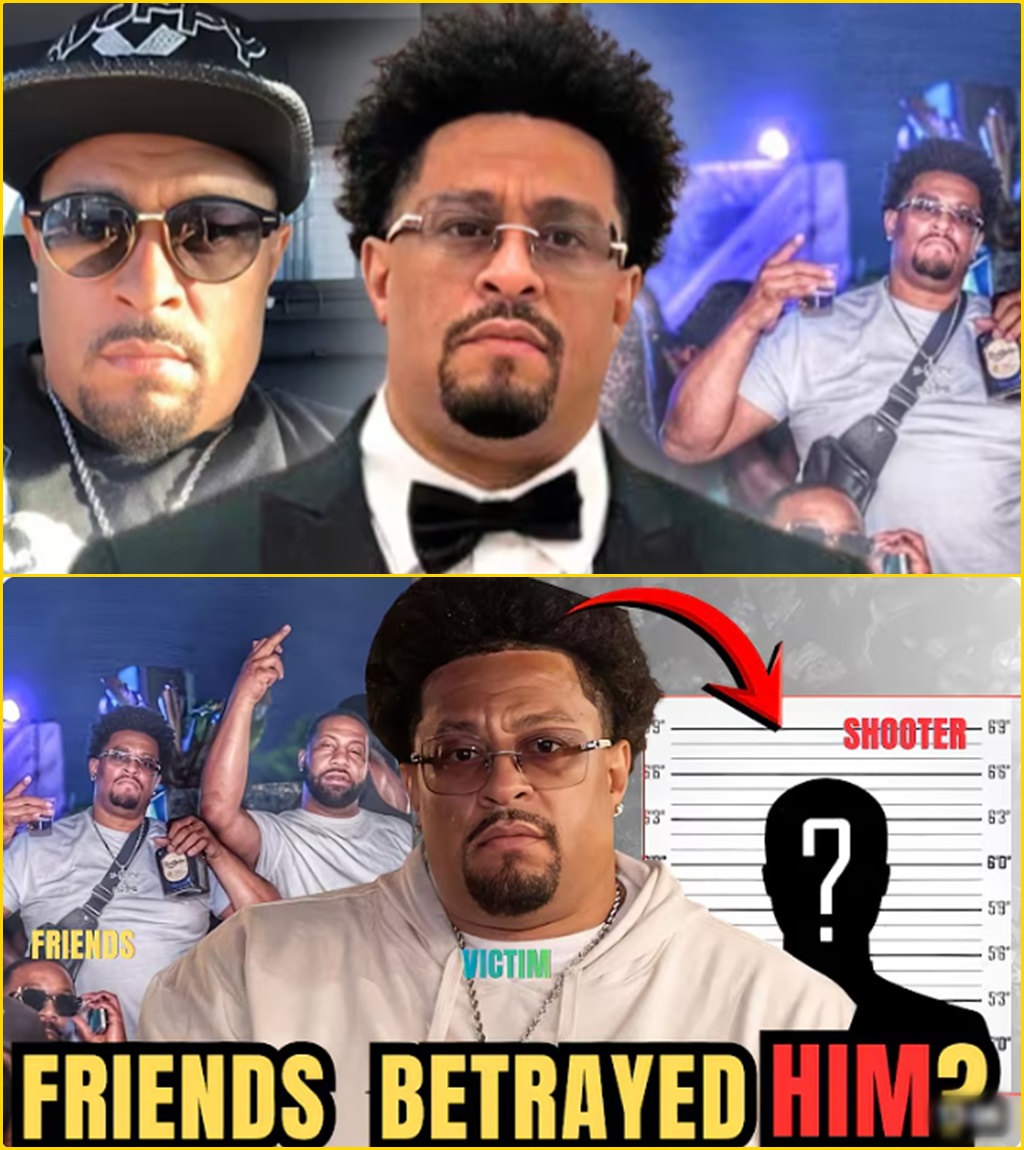
On February 28, 2026, the city of Detroit was shaken by the fatal shooting of local restaurateur Michael “Mike B.” Brown — a well-known figure and business owner who had built a name for himself along East Jefferson. He was gunned down outside an after-hours venue in the early morning hours, in a case that, weeks later, still remains unsolved.
At first glance, it appeared to be another act of late-night violence in a major American city. But as the timeline surrounding Mike B.’s death continues to unfold, a growing number of residents and observers are asking a more unsettling question: was this truly random — or is there something deeper at play?
Mike B. wasn’t just any victim. He owned Crab Sports Bar, a popular local spot positioned along East Jefferson Avenue — a corridor that has recently become the focus of massive redevelopment efforts. Just months before his death, city officials approved a staggering $75 million public funding package tied to a broader $1.6 billion transformation project centered around the iconic Renaissance Center.
The plan promised to reshape the area — bringing new businesses, new infrastructure, and new investment into a part of the city long seen as ripe for revitalization. For some, it symbolized Detroit’s next chapter. For others, it raised concerns about displacement, rising property values, and the quiet pressure placed on long-standing local business owners.
Then came another major shift.
In a move that surprised many, General Motors announced it would be moving out of the Renaissance Center — a decision that sent ripples through the city’s economic and development landscape. The departure marked a turning point, accelerating speculation about who would ultimately control the future of the area and what that transformation would look like.
Just one month later, Mike B. was dead.
The proximity of these events — major redevelopment funding, corporate relocation, and a high-profile local business owner’s killing — has fueled intense speculation. While there is currently no confirmed link between the shooting and the redevelopment plans, the timing alone has been enough to spark theories across the community.
Was Mike B. simply in the wrong place at the wrong time?
Or could his presence — as a business owner on a rapidly changing corridor — have intersected with forces far bigger than anyone realized?
Investigators have remained tight-lipped, releasing few details about suspects or motives. However, one aspect of the case has drawn particular attention: the timeline of Mike B.’s final hours, including phone activity and movements leading up to the shooting. Reports suggest that authorities are carefully examining these details, searching for connections that might explain why he was targeted.
For now, answers remain elusive.
What is clear is that Mike B.’s death has left a void — not just for his family and friends, but for a community already navigating the pressures of change. His story has become more than a homicide case; it has become a symbol of the tension between growth and displacement, progress and uncertainty.
As Detroit continues to evolve, the question lingers in the background: who benefits from transformation — and who gets left behind?
Anyone with information about the shooting is urged to contact Detroit Crime Stoppers at 1-800-SPEAK-UP.
Justice for Mike B.
News
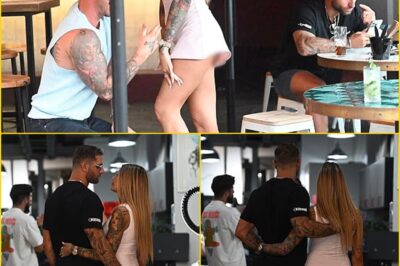
Love Triangle Brewing? Gia Fleur & Chris Robinson Go Permanent with Matching Ink — Scott McCristal Left on the Outside!
Married At First Sight besties Gia Fleur and Chris Robinson solidified their friendship during filming as they took a trip to…
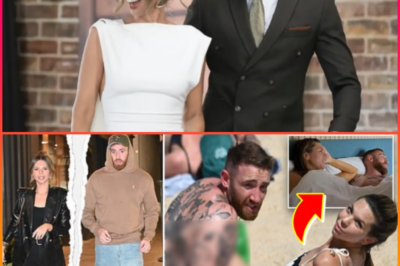
THE CAMERAS DIDN’T SHOW THIS — Bec Zacharia’s Savage Comment About Danny Hewitt Sparks New Scandal
The Married At First Sight (MAFS) 2026 cast have started to go rogue on TikTok while the show is still airing, so…

YOU BROKE US — NOT ME — Sam Stanton Hits Back at Chris Robinson, Blaming Gia for Relationship Collapse in SH0CK Twist
EXCLUSIVE: After two weeks of watching Sam and Chris grow apart, Sam finally ended their marriage for good in Tuesday night’s episode of MAFS. Speaking to nine.com.au,…
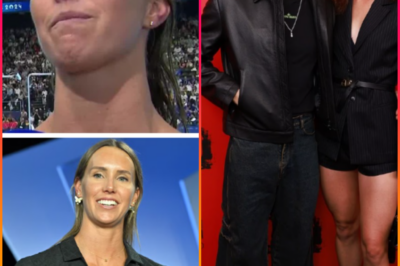
NOT EVERYTHING WAS AS PERFECT AS IT SEEMED — Emma McKeon Reveals Truth Behind Split from Cody Simpson in Emotional First Interview
Aussie sporting great Emma McKeon has opened up about how she is moving on following her shock split with fellow swimmer Cody…
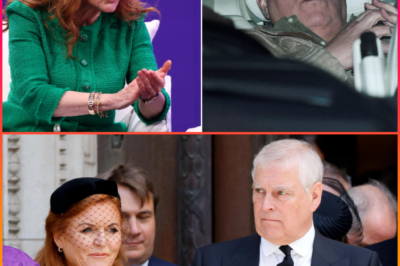
SHE’S LOST EVERYTHING… — Sarah Ferguson Stripped of Freedom of City of York Title in Unanimous Vote After Royal Fallout
She previously lost her Duchess of York title when King Charles stripped Andrew of all his titles. Sarah Ferguson has…
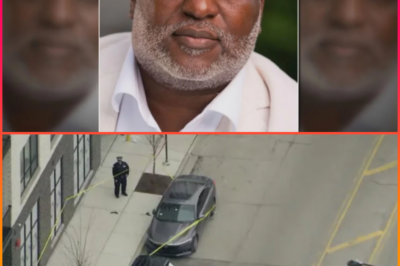
HE WAS JUST WALKING TO WORK… — Chicago Contractor Sh0t De-ad Near United Center in Broad Daylight, Family Reveals Heartbreaking Final Moments
CHICAGO (WLS) — A Chicago contractor was shot and killed near United Center on Tuesday, his family told ABC7. Jerry Lewis…
End of content
No more pages to load