“I Didn’t Do It”: The DJ Warras Murder Case and the Accused’s Defiant Claim of Innocence
The murder of Warrick “DJ Warras” Stock continues to haunt Johannesburg — not only because of its brutality, but because of what is now unfolding inside the courtroom. As evidence mounts and public scrutiny intensifies, the accused has taken a clear and unwavering stance: he insists he did not commit the murder.
That declaration — simple, defiant, and repeated — has become the latest twist in a case already marked by disturbing revelations. While prosecutors describe a calculated killing supported by surveillance footage and witness testimony, the defense paints a very different picture: one of misinterpretation, circumstantial assumptions, and a system eager to assign blame before the full truth emerges.
At the center of the state’s case is CCTV footage captured in Johannesburg’s CBD. Investigators allege the footage places the accused in proximity to DJ Warras shortly before and after the shooting, suggesting coordination and intent. Prosecutors argue that the movements seen on camera are not coincidental but deliberate, forming part of a planned sequence that ended in murder.
The defense, however, strongly disputes this interpretation. In court, the accused’s legal team argued that presence does not equal guilt — and that the footage, which was notably excluded from bail proceedings, has not yet been fully tested in trial. According to the defense, the images lack clarity, context, and definitive proof that the accused pulled the trigger or even knew a murder was about to occur.
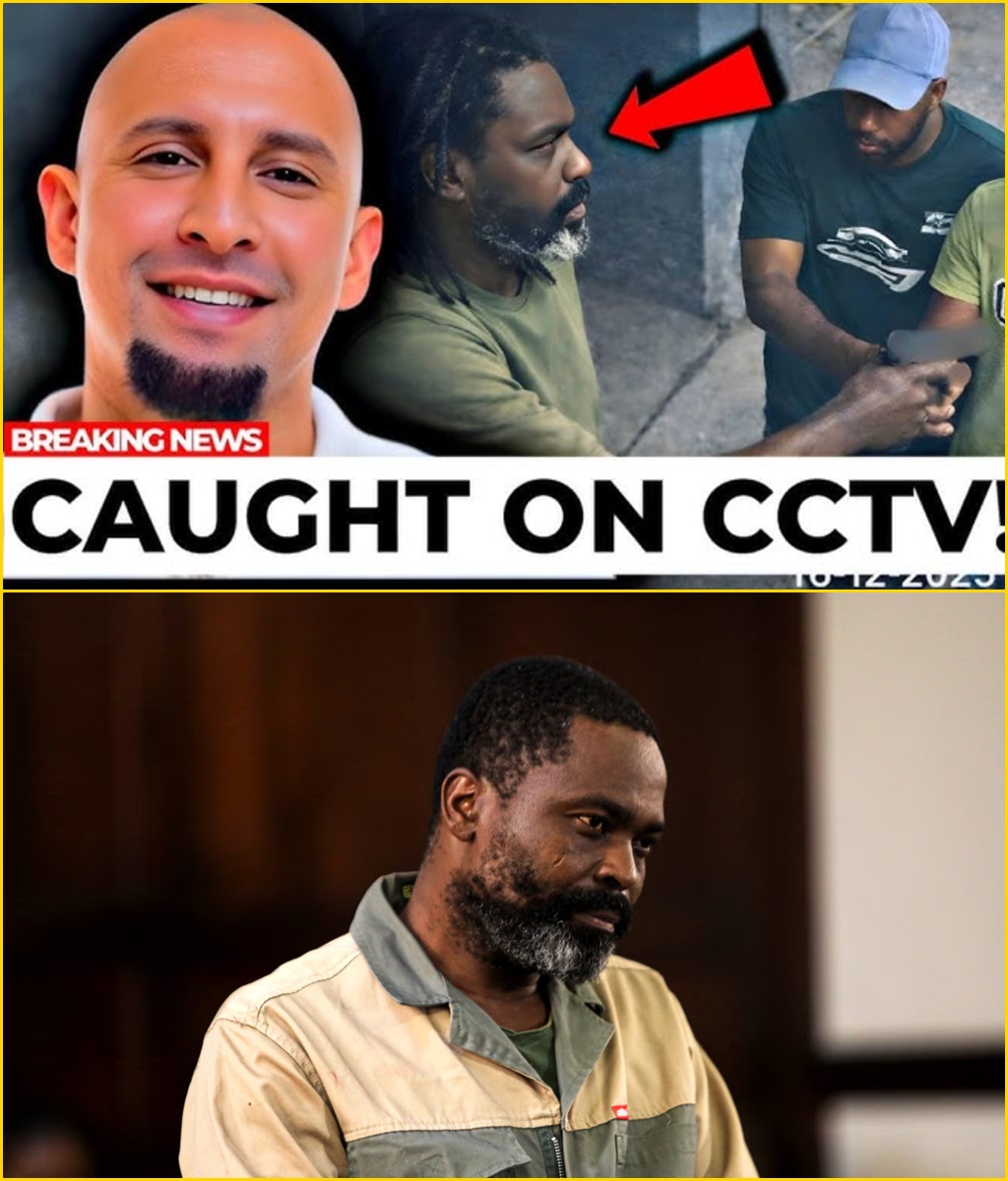
“He maintains his innocence,” defense counsel told the court. “He was not the shooter, nor was he part of any plan to kill Mr Stock.”
This insistence comes despite the seriousness of the charge. DJ Warras’ killing falls under Schedule 6 of South African law — reserved for the most severe crimes, including premeditated murder. Bail was denied, reinforcing the court’s view that the case against the accused is substantial. Still, denial of bail is not a conviction, and the accused’s claim of innocence remains legally intact.
Complicating matters further is the issue of alleged accomplices. Prosecutors claim the murder involved more than one individual, including the concealment of a firearm and coordinated actions before and after the shooting. The defense has pushed back hard, stating that the accused is being unfairly linked to the actions of others and that no forensic evidence directly ties him to the weapon used in the killing.
Perhaps the most troubling backdrop to the case is the confirmed existence of a protection order obtained by DJ Warras just days before his death. This revelation has fueled public anger and suspicion — especially after SAPS Crime Intelligence admitted in court that it had prior information related to the individuals involved.
For the defense, this admission strengthens their argument.
“If intelligence existed,” a source close to the defense claims, “why was no intervention made? And why is my client now bearing the full weight of a failure that may extend far beyond him?”
That question has resonated widely. While SAPS has not disclosed the full nature of its intelligence, the acknowledgment alone has shifted attention from the accused to the institutions meant to prevent violence. Critics argue that if authorities had acted earlier, DJ Warras might still be alive — regardless of who ultimately faces conviction.
Public reaction has been divided. Some believe the evidence points clearly toward guilt and view the innocence claim as a predictable legal strategy. Others are uneasy, noting the gaps, the withheld footage, and the broader pattern of systemic failure.
As the case moves toward trial, one reality remains unavoidable: the courtroom will become the only place where truth outweighs suspicion. The accused will have to confront the CCTV footage, the witness statements, and the intelligence revelations head-on — while prosecutors will have to prove, beyond reasonable doubt, that his denial is a lie.
Until then, the DJ Warras murder remains suspended between certainty and doubt. A life was lost. A family was shattered. And a man sits behind bars insisting, again and again: “I didn’t do it.”
All individuals mentioned remain presumed innocent until proven guilty in a court of law.
News
WORDS TURNED D-E-A-DLY? — Jaro City’s Lil Mikey Gu-nned Down After Explosive Argument Tied to Viral Diss
The hip-hop community is once again grappling with tragedy following the fatal shooting of Jaro City rapper Lil Mikey, an…
IT WAS ALL GONE IN MINUTES — Community Heartbreak as Heroic Grandparents Lose Home in Sh0cking Blaze
An Adelaide community is rallying around two much‑loved grandparents and volunteers who have lost everything in a ferocious house fire….
HE SAID TOO MUCH? — NC Rapper Gu-nned Down Moments After Sh0cking Facebook Live Confession
A shocking and deeply disturbing incident has rocked the hip-hop community after a North Carolina rapper was fatally shot just…
HIS STORY ISN’T ADDING UP — Tiger Woods’ DUI Arrest Takes Dark Turn as New Details Raise Serious Questions
Tiger Woods called President Donald Trump in the moments after his shocking car crash in Florida, new bombshell footage appears to show. The golf…
FROM GIVEAWAY TO GRIDLOCK — CCTV Shows Melbourne Petrol Station Descend Into Complete Chaos Over $100K Fuel Promotion
Police have been forced to shut down a $100,000 fuel giveaway at a Melbourne petrol station after the stunt resulted in traffic mayhem. The…

SHE WAS ONLY SEVEN MONTHS OLD — Distu-rbing Video Shows NYC Mom’s Agonizing Realization After Baby Sh0t D-ead
A video captured the heart-wrenching moment a young mom realized her 7-month-old daughter had been shot by a stray bullet while…
End of content
No more pages to load