C-Murd3r: The Night That Got Him a Life Sentence — Inside the Murd3r Case That Shook No Limit Records and the South
In the early 2000s, as Southern hip-hop was on the rise, No Limit Records stood as an unstoppable empire. Led by Master P, the label produced a wave of influential rappers — including his younger brother, Corey “C-Murder” Miller.
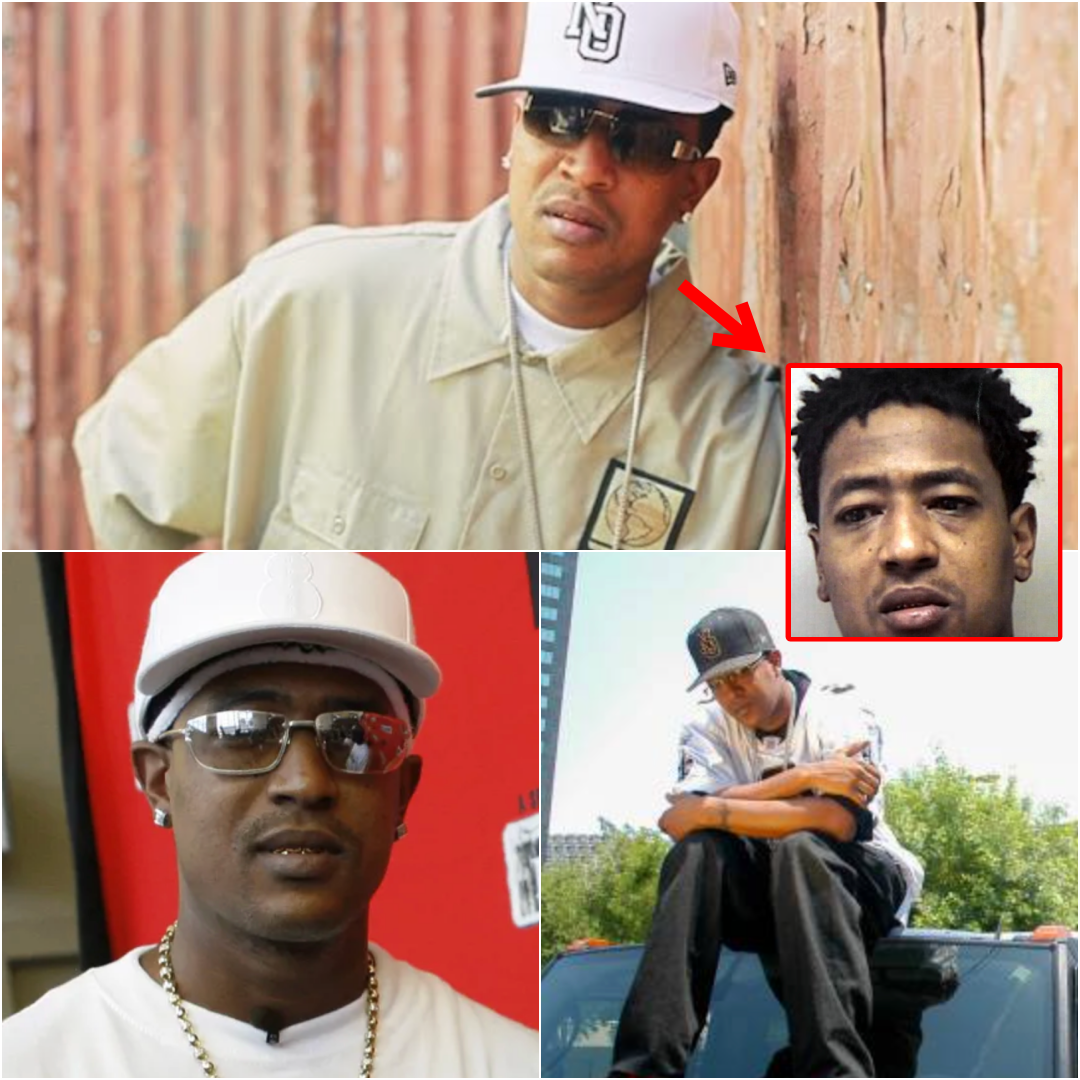
With a raw, street-driven style and lyrics that reflected the harsh realities of life in Louisiana, C-Murder quickly became one of the defining voices of Southern rap. His debut album Life or Death went platinum, solidifying his place among the South’s most authentic storytellers.
But when his career was shining brightest, one fateful night in January 2002 changed everything.
🔪 The Fatal Night at the Platinum Club
On January 12, 2002, at the Platinum Club in Harvey, Louisiana — just minutes outside New Orleans — a fight broke out among several young men. In the chaos, 16-year-old Steve Thomas was beaten and fatally shot. The tragedy shook the local community.
Soon after, police arrested Corey Miller, accusing him of being the shooter. Overnight, C-Murder went from platinum rapper to murder suspect — his image and career collapsing in an instant.
⚖️ The Trial and a Controversial Conviction
In September 2003, Corey Miller was convicted of second-degree murder and sentenced to life in prison.
But just a year later, the conviction was overturned after the judge ruled that prosecutors had withheld information about the criminal records of key witnesses — a violation of Miller’s right to a fair trial.
Hopes were briefly raised. Yet, in August 2009, following a retrial, C-Murder was convicted again and once more sentenced to life without the possibility of parole.
Since then, he has been serving time at Louisiana State Penitentiary (Angola) — one of the most notorious prisons in America.
Through it all, Miller has maintained his innocence, insisting for more than two decades that he was wrongly convicted.
🧩 Unanswered Questions and Doubt
The case against C-Murder has long been surrounded by controversy:
There was no DNA evidence linking him to the scene.
The murder weapon was never found.
Two key eyewitnesses later recanted their testimony, saying they were pressured by police to identify him.
One witness, Darnell Jordan, later signed an affidavit claiming he was coerced into pointing out Miller as the shooter. Another, Kenneth Jordan, also stated he was threatened into lying on the stand.
These revelations fueled public skepticism about whether Miller ever received a fair trial.
🔫 The Baton Rouge Incident
Before the 2002 killing, Miller had already faced legal trouble. In August 2001, at Club Raggs in Baton Rouge, he allegedly pulled a semi-automatic handgun and fired toward the club owner and a bouncer after being denied entry because he was carrying a weapon.
He was charged with two counts of attempted second-degree murder and later entered a no contest plea, receiving a 10-year sentence with credit for time served.
Though unrelated to the Platinum Club shooting, this prior case cast a shadow over Miller’s image and was believed to have influenced how jurors perceived him later.
🏛️ The Fight for Justice
Over the years, C-Murder has continued to file appeals and requests for a retrial, supported by a growing network of activists and public figures.
In 2020, the case made national headlines again when Kim Kardashian and singer Monica — Miller’s former partner — began advocating for his release, calling his situation an example of racial injustice and flaws in the U.S. criminal justice system.
Despite renewed attention, the Louisiana courts denied a new trial in 2023. Still, the #FreeCMurder movement remains strong among fans, activists, and fellow artists who believe the case deserves another look.
🎧 From Artist to Symbol
Beyond the legal battles, many remember Corey Miller as a true musical talent.
His album Life or Death (1998) sold over a million copies, and songs like Down for My N’s and Like a Jungle became Southern rap anthems.
Even behind bars, Miller has continued to write and record music. In 2014, he released Dear Supreme Court, a song written from prison — a plea for justice and a reflection on the system that condemned him.
For C-Murder, music remains his voice, his protest, and his only way to stay connected with the world outside.
🕯️ Two Lives, One Tragedy
Behind all the fame, controversy, and court rulings lie two lost lives.
Steve Thomas, a 16-year-old with dreams ahead of him, is gone forever.
Corey Miller, once a rising star with millions of fans, has spent over 20 years behind bars.
This story is more than a criminal case — it’s a portrait of violence, fame, and a justice system still questioned for its fairness.
🎥 The Documentary: “C-Murder — The Price of Fame”
The documentary C-Murder: The Price of Fame revisits that fateful night in 2002 and follows Miller’s journey — from the top of the rap world to the depths of prison life. It raises the questions that still haunt the case:
Who really pulled the trigger?
Was the investigation fair?
And will C-Murder ever find justice?One night. Two lives. One story still unfinished.
👉 Watch the full documentary here:https://www.youtube.com/watch?v=o-Wuodj8wA0