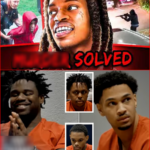
The investigation into the death of rapper Julio Foolio has entered a new and closely watched phase, as the suspects charged in connection with his killing have officially pleaded not guilty in court. The development marks a significant turning point in a case that has already generated widespread attention, both within the music industry and among the public.
During the recent court appearance, each of the accused individuals rejected the charges brought against them, signaling their intention to contest the allegations in a full trial. The not guilty pleas mean that prosecutors will now need to present detailed evidence to support their case, while defense teams are expected to challenge both the credibility and interpretation of that evidence.
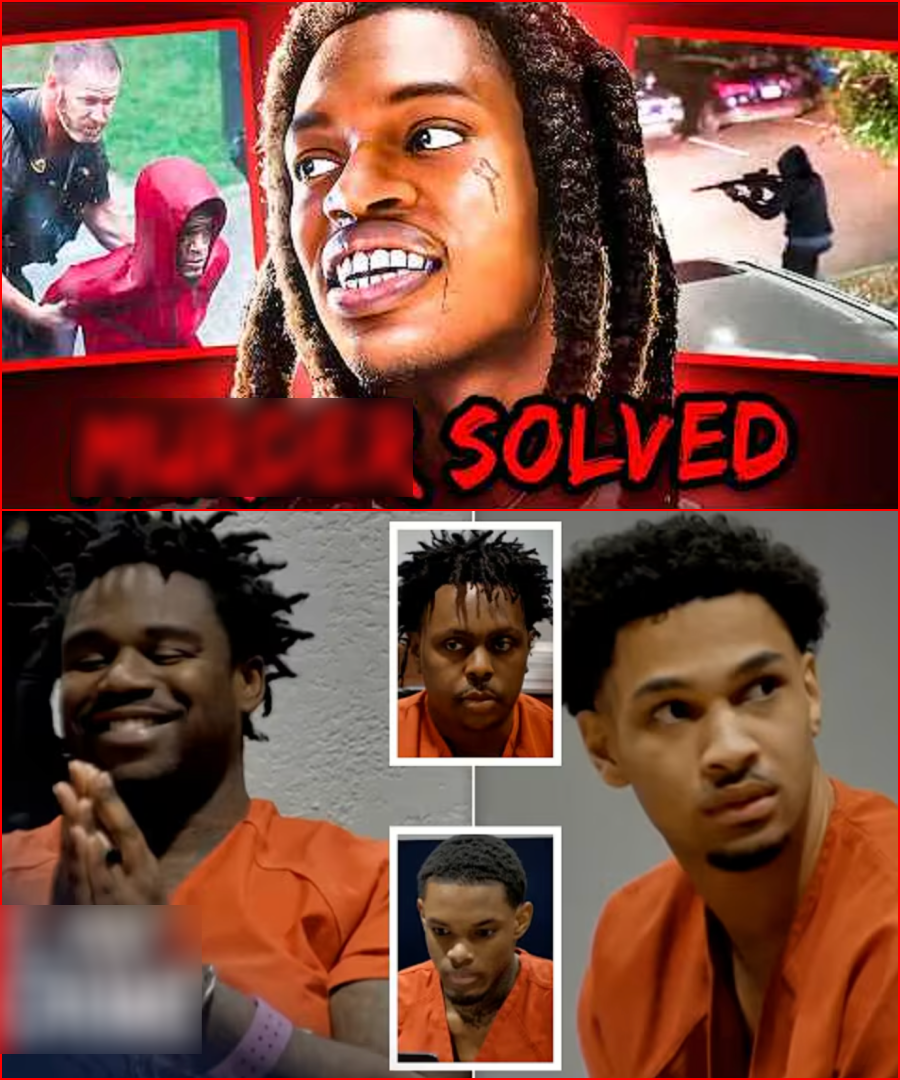
Julio Foolio, known for his presence in the rap scene and his connection to ongoing rivalries, was killed in an incident that quickly drew national headlines. The circumstances surrounding his death raised numerous questions from the outset, including how events unfolded and who may have been involved. Law enforcement agencies launched an extensive investigation, collecting physical evidence, reviewing surveillance footage, and interviewing witnesses in an effort to reconstruct the timeline.
Authorities later announced arrests, stating that they believed they had identified those responsible. However, the legal process is only just beginning. With the suspects now pleading not guilty, the burden remains on the prosecution to prove their case beyond a reasonable doubt. This stage of proceedings often involves pre-trial motions, evidence disclosure, and hearings that can shape how the case ultimately unfolds in court.
Legal experts note that not guilty pleas are a standard part of the judicial process and do not necessarily indicate the strength or weakness of either side’s position. Instead, they ensure that defendants are granted their right to a trial, where evidence can be examined in detail and arguments can be presented before a judge or jury.
At the same time, the case continues to draw attention because of its broader context. Incidents involving public figures often carry an added layer of scrutiny, with public opinion sometimes forming even before all the facts are fully known. In this instance, discussions have extended beyond the courtroom, touching on issues such as safety, conflict within the music scene, and the pressures that can surround rising artists.
As proceedings move forward, several key questions remain unanswered. What evidence will prosecutors present to link the suspects to the crime? How will the defense respond to those claims? And what new information might emerge as the case is examined more closely in court?
For now, the not guilty pleas ensure that the case will continue to develop in the legal system, potentially over an extended period of time. Court schedules, witness availability, and procedural steps can all influence how quickly the case progresses.
What is clear is that this moment represents only the beginning of a longer legal journey. As both sides prepare their arguments, observers will be watching closely for any developments that shed further light on the events surrounding Julio Foolio’s death — and on what the final outcome of the case might be.
News
IT COMES AT A COST… BUT IT’S WORTH IT — PRINCE HARRY’S STUNNING STATEMENT ON PRIVACY BATTLE RAISES QUESTIONS… EVERY WORD HINTS AT SOMETHING DEEPER…
Prince tells privacy summit of ‘harrowing stories’ of how use of tech giants’ platforms led to ‘grave and irreversible harm’…
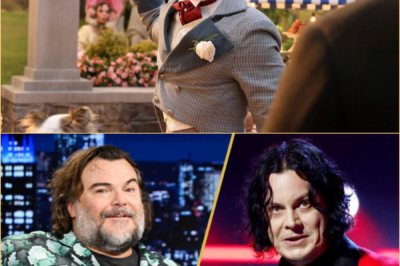
Something unexpected went down behind the scenes of Saturday Night Live’s “Gentlemen’s Code,” and the cameras captured every jaw-dropping moment
Mikey Day Had High Praise for Connor Storrie in SNL’s “Gentlemen’s Code” BTS Video Sometimes, seeing what goes into the…
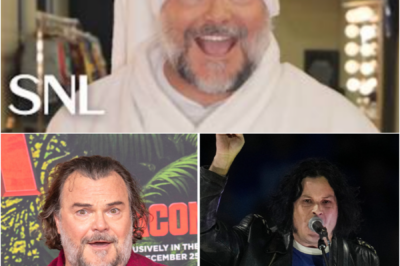
HE’S MY BROTHER FROM ANOTHER COLOR! — JACK BLACK’S HILARIOUS SHOUTOUT TO JACK WHITE IN SNL TIKTOK PROMO… AND WHAT HAPPENED NEXT WILL SHOCK YOU…
The pair of Jacks will appear on this weekend’s episode as host & musical guest. Host Jack Black during ‘SNL’…
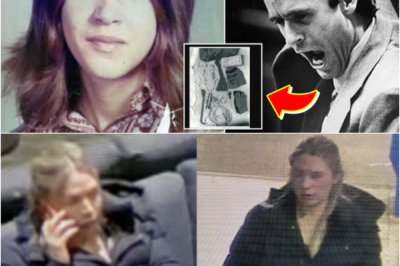
DNA BREAKTHROUGH — TED BUNDY NAMED AS K!LLER OF TEEN GIRL WHO VANISHED AFTER HALLOWEEN PARTY — AND THE DETAILS ARE CH!LLING…
Notorious serial killer Ted Bundy has been identified as the murderer of a teenage girl who vanished on Halloween night more than half…
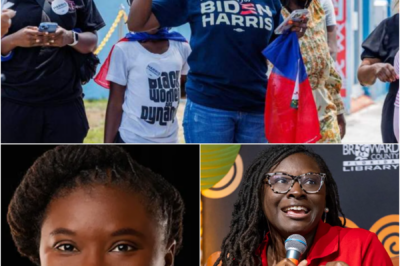
SH0CKING CRIM3 — FLORIDA VICE MAYOR SH0T AND K!LLED, HUSBAND ALLEGEDLY BEHIND D3ADLY ATT@CK!
Nancy Metayer Bowen was shot in an alleged domestic violence dispute months after her brother, a Marjory Stoneman Douglas High…
SH0CKING ROYAL DRAMA — QUEEN ELIZABETH REFUSES PRINCE HARRY’S CALLS WITHOUT A WITNESS!
Queen Elizabeth II refused to take Prince Harry’s phone calls without another person present in the room following his 2020 exit…
End of content
No more pages to load