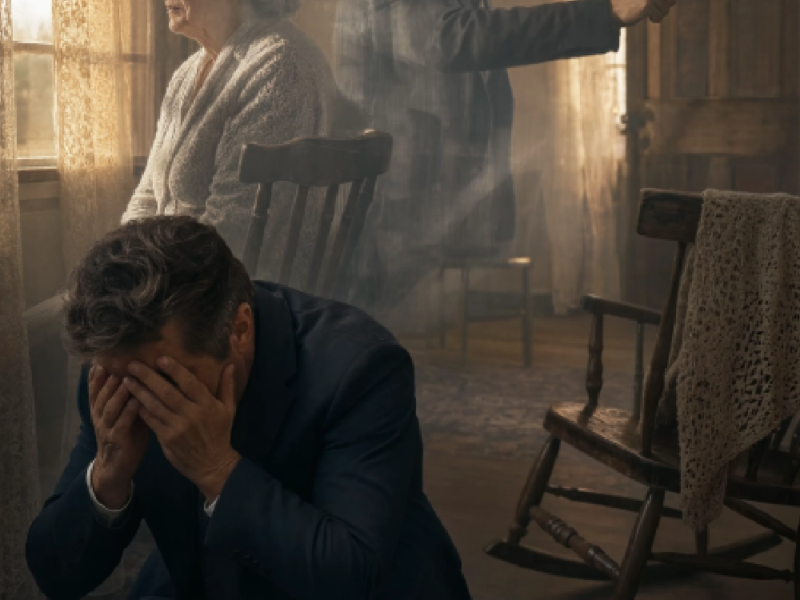
My older brother declared he wouldn’t let our elderly mother live with him… yet on the day she passed away, he was the one kneeling and weeping the most
My name is Sarah Mitchell, and if someone had asked me ten years ago which one of my brothers loved our mother the most, I would have answered without hesitation that it was me. After all, I was the one who called her every day. I was the one who remembered her doctor’s appointments, bought her birthday gifts, and visited whenever I could. My younger brother Kevin lived two states away and rarely came home, while my older brother Daniel always seemed distant and emotionally unavailable. Even though Daniel lived only twenty minutes from our mother in Asheville, North Carolina, their relationship had always been complicated. They argued often, disagreed on almost everything, and could barely spend an hour together without tension filling the room. Because of that, everyone in our family assumed Daniel cared the least. Unfortunately, I would eventually learn how wrong all of us had been.
Our mother, Margaret Mitchell, had raised the three of us alone after our father died in a construction accident when I was only seven years old. She worked two jobs for most of our childhood. During the day, she cleaned offices downtown, and at night she worked as a waitress in a small diner. I still remember waking up before school and finding her asleep at the kitchen table with unpaid bills scattered around her coffee cup. Despite the hardships, she somehow made sure we never felt poor. Birthdays were always celebrated. Christmas gifts always appeared beneath the tree. She sacrificed everything for us, although we didn’t fully understand the extent of those sacrifices until we became adults ourselves. As the years passed, Kevin and I remained extremely close to her, but Daniel gradually became more reserved. He loved our mother, but he rarely expressed his feelings. Instead of saying “I love you,” he repaired things around her house. Instead of hugging her, he quietly paid bills whenever she struggled financially. Yet because he never showed affection openly, many people—including me—mistook his silence for indifference.
Everything changed after Mom turned eighty. Her health began declining rapidly. Arthritis made it difficult for her to walk. She occasionally forgot appointments and misplaced important documents. After one frightening incident in which she accidentally left the stove on overnight, Kevin and I agreed that she could no longer live alone. During a family meeting, I suggested that Mom move into my home. My husband supported the idea, but our house was already crowded with teenagers preparing for college, and Mom worried about becoming a burden. Kevin offered financial support, but living so far away made daily care impossible. Eventually, someone suggested asking Daniel. Since he lived nearby and his children had already moved out, his house seemed like the most practical option. To everyone’s shock, Daniel immediately refused. He stood up from the table and firmly declared that Mom would never live with him. His words felt cold and cruel. Mom looked heartbroken, and I was furious. For the first time in my life, I truly believed my older brother had become selfish.
For months afterward, resentment grew inside our family. Kevin barely spoke to Daniel. I accused him of abandoning the woman who had sacrificed her entire life for us. Relatives whispered about his decision during holiday gatherings. Even Mom seemed hurt, though she tried to defend him by saying he probably had his reasons. Eventually, she moved into an assisted living facility outside Asheville. Although the staff treated her kindly, I could tell she missed having a real home. Every time I visited, guilt consumed me. Meanwhile, Daniel remained strangely quiet. He never explained his decision. He simply accepted everyone’s anger without defending himself. The more silent he became, the more convinced I was that he deserved our criticism.
Then something unexpected began happening. Every time I visited Mom, nurses mentioned seeing Daniel earlier that same day. Sometimes he arrived before sunrise. Sometimes he came late at night after work. He brought groceries, replaced broken reading glasses, and sat with Mom for hours while she talked about memories from decades earlier. One nurse even told me she often found him reading novels aloud when Mom had trouble sleeping. At first, I assumed he was trying to ease his guilty conscience. But gradually, I noticed something unusual. Mom seemed happiest after his visits. She smiled more. She laughed more. Whenever I asked what they talked about, she simply smiled and said, “Your brother and I are finally learning how to understand each other.”
About a year later, Mom’s health deteriorated further. Doctors diagnosed early-stage dementia. Some days she recognized everyone immediately. Other days she became confused and believed she was still forty years old. During one particularly difficult evening, she forgot who I was completely. I left the facility crying. But when I returned the following morning, one of the nurses told me Daniel had spent the entire night sitting beside her bed. According to the staff, Mom became frightened whenever she woke up and saw unfamiliar faces. Yet every time Daniel spoke, she calmed down immediately. I remember asking him why he continued sacrificing so much after refusing to let her live with him. He simply shrugged and changed the subject. His answer frustrated me because I still couldn’t understand him.
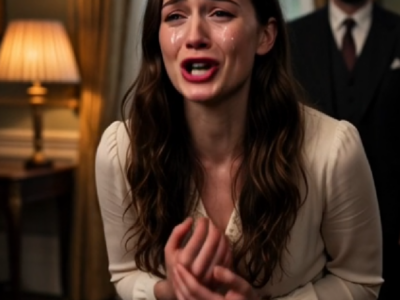
Three years later, Mom passed away peacefully in her sleep. She was eighty-four years old. The loss devastated our family. Friends, neighbors, former coworkers, and distant relatives attended the funeral service. Everyone shared stories about her kindness and generosity. Kevin cried openly throughout the ceremony. I struggled to remain composed while delivering the eulogy. Yet the person who shocked everyone was Daniel. As the casket was lowered into the ground, my older brother suddenly collapsed onto his knees. He sobbed uncontrollably. Not quiet tears. Not polite grief. He cried like a little boy who had just lost the most important person in his world. Several people rushed toward him because they thought he might be having a medical emergency. I had never seen Daniel cry before—not when our father died, not during his divorce, not even after losing his business years earlier. But there he was, trembling and unable to stand.
Later that evening, after most guests had gone home, I found Daniel sitting alone inside Mom’s empty room at the assisted living center. In his hands was an old photograph of our family taken shortly after Dad died. For a long time, neither of us spoke. Finally, I asked him a question I had wanted answered for years. Why had he refused to let Mom live with him? Daniel stared at the photograph and remained silent for several seconds before finally revealing a truth I never expected. Twenty years earlier, when his marriage began falling apart, he developed severe anger issues and eventually sought therapy. During counseling, he discovered something he had buried since childhood. After Dad’s death, Mom had become so overwhelmed with grief and financial pressure that she occasionally lashed out emotionally. She never abused us physically, but Daniel, being the oldest, had witnessed her darkest moments. As a teenager, he often absorbed her frustrations to protect Kevin and me. He carried those emotional scars into adulthood and feared that living together again would resurrect painful memories and destroy the fragile relationship they had spent decades rebuilding.
Then he told me something else that completely broke my heart. He admitted that refusing to let Mom move in had never been about rejecting her. It had been about protecting her. He feared they would argue constantly under the same roof and spend her final years hurting each other. Visiting every day allowed him to love her without reopening old wounds. During those long conversations at the nursing home, they had finally discussed the pain both of them had carried for decades. Mom apologized for mistakes she made after Dad died. Daniel forgave her. And according to him, those final years became the closest they had ever been. Before her death, Mom had even confessed that she understood why he had made his decision and that she was proud of the man he had become.
Then Daniel handed me an envelope addressed in our mother’s handwriting. She had written the letter six months before she passed away. In it, she thanked each of us for loving her in different ways. But one sentence made me cry harder than I had all day. She wrote that although people often misunderstood Daniel, he had quietly carried responsibilities no child should ever bear. She said he had protected the family after Dad died, sacrificed his own happiness countless times, and deserved peace more than anyone. At the bottom of the letter, she wrote a final message specifically for him: “You have spent your whole life taking care of everyone else. It’s time to forgive yourself.”
That night, I finally understood my brother. Love doesn’t always look the way we expect. Some people express affection through words. Others express it through sacrifice. For years, I judged Daniel because he loved differently than I did. I mistook his boundaries for rejection and his silence for selfishness. But standing beside our mother’s grave, I realized something I will never forget.
The son who said he couldn’t live with his mother had spent years making sure she never felt alone.
And in the end, the man everyone misunderstood turned out to love her the deepest of all.