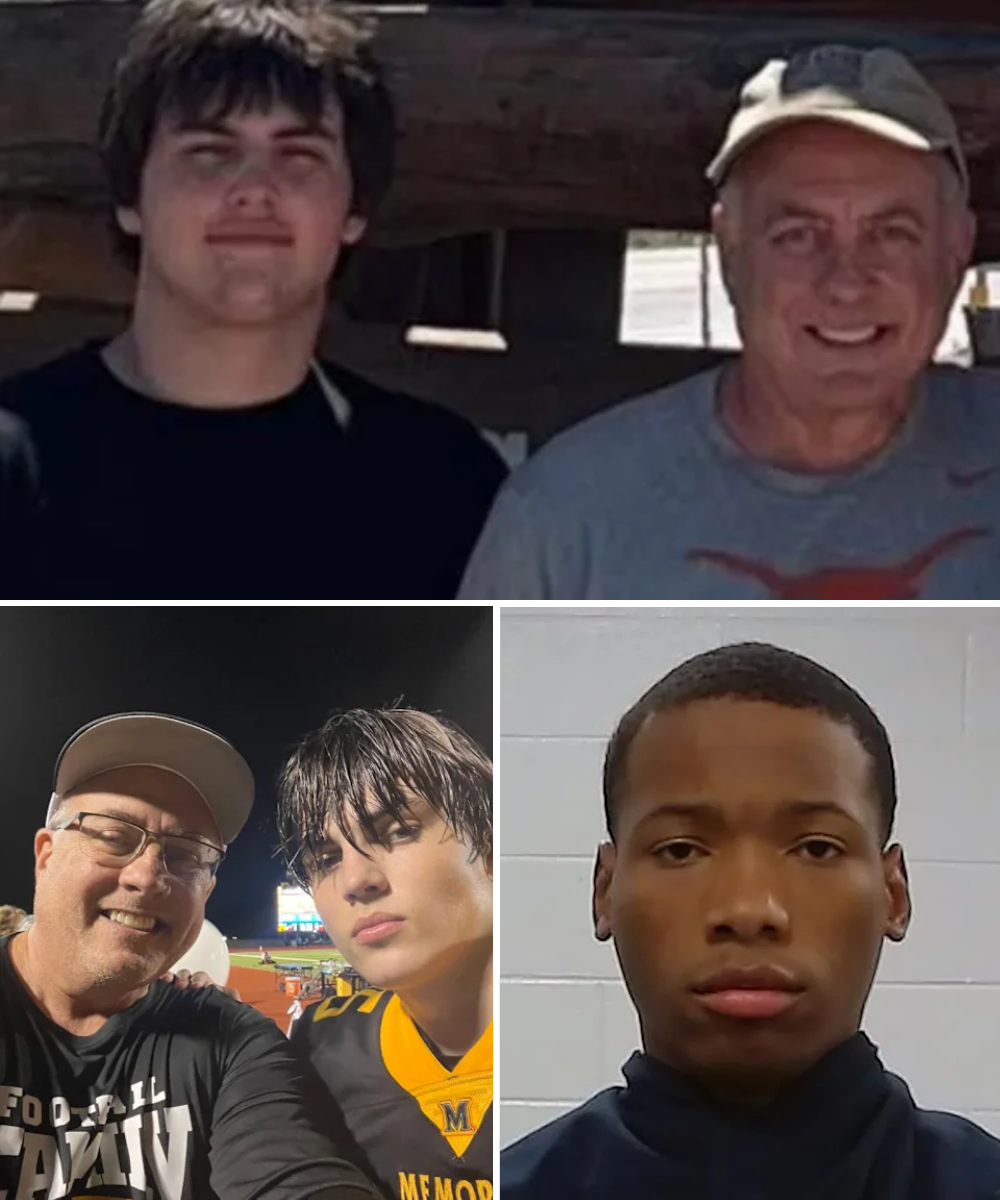
“I’m expected to keep living”: The courtroom fell into a painful silence as Austin Metcalf’s father unleashed his fury upon Karmelo Anthony
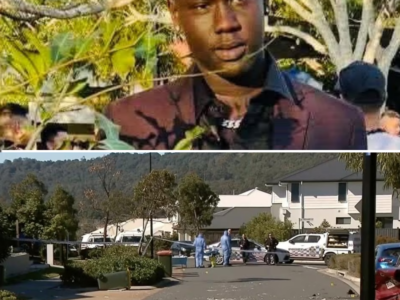
The walls of the Collin County Courthouse recently bore witness to one of the most suffocating and gut-wrenching moments in recent memory as the murder trial of 17-year-old Austin Metcalf reached its final chapter. On the day Karmelo Anthony was sentenced, the air in the courtroom seemed to thicken under the weight of the raw, searing, and furious testimony from the victim’s father, Mr. Jeff Metcalf, as he directed his agony straight at the man responsible for the heinous crime.
A Haunting Confrontation

Karmelo Anthony, the 19-year-old found guilty of first-degree murder on Monday afternoon, kept his head bowed for the duration of the victim impact statements. His refusal to meet the eyes of the Metcalf family—who sat mere feet away—ignited a fire of indignation that had been simmering within Jeff Metcalf for over a year.
Before the entire courtroom, Mr. Metcalf could no longer contain his emotional eruption, loudly and commandingly demanding that the perpetrator face him: “We were robbed! Don’t look down!”
He also addressed the malicious rumors that had plagued his son and twin brother, Hunter, forcefully refuting allegations that they had targeted Anthony for sitting under their school tent at Kuykendall Stadium in Frisco back in April 2025: “My boys weren’t bullies.”
When Pain Morphs into Pure Rage
During his victim impact statement, Mr. Jeff Metcalf utilized blistering language to describe his psychological state in the aftermath of the tragedy. He asserted that the death of his son had completely obliterated the person he once was. Moving beyond mere sadness, he highlighted a far more complex and violent emotional state: “My son’s death destroyed the person I used to be. He does not exist anymore.”
Notably, he offered a haunting description of the nature of the grief he continues to endure: “People think grief is sadness, it is not. It is rage. Pure unfiltered rage.”
In a display of raw fury, he slammed his fist against the table, pointed directly at the killer, and declared: “You failed your parents, you failed yourself, and you failed society … You don’t belong in this community. A piece of me died with my son, and I’m expected to keep living.”
Regarding the concept of forgiveness—a theme often raised in such legal proceedings—Jeff Metcalf clarified his stance with chilling finality: “You’re going to prison. I forgave you the day it happened. I don’t forgive what you did. You can’t look me in the eyes but you can stab my f–king son!”
A Mother’s Heartbreak and Eternal Absence
Beside her husband, Mrs. Meghan Metcalf, Austin’s mother, shared her own harrowing words, focusing on the permanent void that Austin’s passing has left in their lives. She did not mask her disappointment regarding the 35-year sentence handed to Anthony—a figure she views as entirely inadequate compared to the life sentence of grief she is destined to carry.
“We will never know what our future could have been,” Meghan shared through tears. “For journalists, activists, this is a story. For our family, this is our reality.”
Addressing her departed son, she mused: “There was a part of him you can never take from me, the strength I still get from him every day, because I know what it was like to be loved by him. My son was murdered. He didn’t just die. He was taken from us. Just as he was starting to live.”
She did not shy away from shredding the sentence imposed by the court: “You may have just been given a sentence of 35 years, you should feel lucky because I’ve been sentenced to a life without my son.”
Closing the Case Amidst Lingering Fallout
The hearing concluded after Hunter Metcalf, Austin’s twin brother, voiced his own indignation toward the person who robbed him of his best friend: “You took a son, a brother, a friend, and my best friend, from this world. You took someone from me who was supposed to be an uncle, godfather to my kids. Now I want everything taken from you.”
While the trial has officially concluded with a 35-year prison sentence for Karmelo Anthony, the waves of controversy outside the courthouse continue to swell. Protesters demanding Anthony’s freedom remain vocal, while the Metcalf family continues to grapple with a grim reality that no verdict can ever truly rectify. The case transcends a simple legal dispute; it serves as a sobering reminder of deep-seated societal divisions and the devastating, irreversible consequences of youth violence.