
Thirteen (2003), directed by Catherine Hardwicke in her feature debut, remains one of the most raw and controversial coming-of-age dramas ever made. Co-written by Hardwicke and then-14-year-old Nikki Reed, the film draws heavily from Reed’s own experiences at age 13, offering an unflinching look at the perils of peer pressure, self-destruction, and fractured family dynamics in early 2000s Los Angeles.

The story centers on Tracy Freeland (Evan Rachel Wood), a bright, academically gifted seventh-grader living with her recovering-addict mother, Melanie (Holly Hunter), in a modest home. Tracy starts the film as a rule-following girl who still plays with stuffed animals and Barbie dolls. Desperate for acceptance in her hyper-sexualized junior high environment, she becomes obsessed with Evie Zamora (Nikki Reed), the school’s most popular and rebellious girl. Evie—charismatic, manipulative, and deeply troubled—pulls Tracy into a whirlwind of dangerous behaviors: shoplifting, huffing inhalants, experimenting with drugs (including marijuana and LSD), self-harm, sexual exploration, and petty crime.
What begins as a quest for belonging spirals into chaos. Tracy’s transformation is swift and brutal: she ditches her old friends, adopts provocative clothing and makeup, pierces her tongue, and engages in increasingly risky acts. The film captures the intoxicating rush of rebellion alongside its devastating consequences—Tracy’s self-mutilation, escalating drug use, and strained relationship with her mother. Melanie, a loving but overwhelmed single parent working as a hairdresser from home, struggles to rein in her daughter’s downward spiral while battling her own demons.
Hardwicke’s handheld, documentary-style cinematography—shot on super 16mm film over just 24 days—gives the movie an intimate, urgent feel. Quick cuts, shaky camera work, and a gritty aesthetic immerse viewers in Tracy’s disorienting world. The score by Mark Mothersbaugh and soundtrack featuring artists like Liz Phair and Katy Rose amplify the emotional intensity.
Performances are the film’s strongest asset. Evan Rachel Wood, then 14 (turning 15 during filming), delivers a breakout performance as Tracy—vulnerable, desperate, and heartbreakingly authentic. Nikki Reed, in her acting debut, brings raw charisma and menace to Evie, the seductive force of destruction. Holly Hunter earned an Oscar nomination for Best Supporting Actress as Melanie, portraying a mother’s anguish with fierce, unglamorous realism. The ensemble, including Jeremy Sisto as a drug-dealing boyfriend and Brady Corbet as a troubled peer, adds depth to the toxic environment.
Premiering at Sundance in January 2003—where Hardwicke won the Directing Award (Drama)—Thirteen sparked immediate controversy. Its graphic depiction of underage drug use, sex, self-harm, and crime earned an R rating and drew criticism for being exploitative or sensationalist. Some called it an “arty exploitation flick,” while others praised its honesty. Roger Ebert described it as a terrifying glimpse into the “two worst years of a woman’s life,” and many viewers found it disturbingly relatable.
The film grossed $4.6 million domestically on a low budget but became a cultural touchstone. It influenced discussions on teen mental health, peer influence, and parental struggles. Over two decades later, Thirteen endures as a searing time capsule—brave, unsettling, and unflinchingly real—reminding audiences how quickly innocence can unravel under the pressures of adolescence.
News
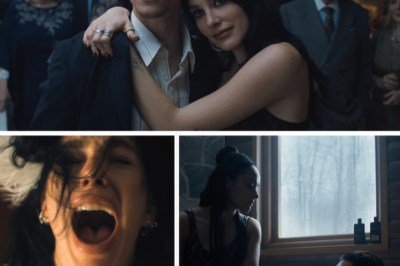
Netflix’s New Horror Series Unleashes Unrelenting Terror, Creeping Supernatural Secrets, and a Wedding Day Nightmare That Will Haunt You Long After the Credits Roll
Netflix’s New Horror Series Unleashes Unrelenting Terror, Creeping Supernatural Secrets, and a Wedding Day Nightmare That Will Haunt You Long…
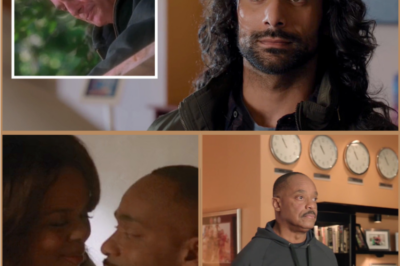
Episode 500 didn’t just celebrate a milestone — it quietly turned into a full-blown treasure hunt hiding clues, callbacks, and emotional bombs that trace all the way back across decades.
Only Real NCIS Fans Will Catch These… Episode 500 Turned Into a Full Treasure Hunt With Hidden Clues From Decades…

The show just delivered one of its boldest moves yet, saying goodbye to a longtime fan-favorite in a way no one saw coming. Some fans are calling it a powerful, necessary shake-up, while others think it crossed the line after years of emotional investment.
NCIS Fans Left Shattered After Shocking 500th Episode Death as Leon Vance’s Exit Sparks Debate Over the Most Heartbreaking Departures…
A troubled detective hunts a ritualistic serial killer while confronting a corrupt colleague, in a Nordic noir story that feels overly familiar. Streaming on Netflix.
Detective Hole’ Review: Jo Nesbø’s Dark Cop Arrives Too Late to the Nordic Noir Boom (Netflix) A troubled detective hunts…

A SHOCKING PSYCHOLOGICAL THRILLER THAT WILL MESS WITH YOUR HEAD — and it’s already shaping up to be your next obsession.
An “unconventional thriller” full of twists and turns? We’re in! Exploring “guilt and retribution, love and betrayal,” Apple’s Imperfect Women…
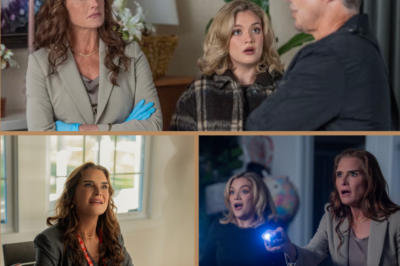
BOOKISH MEETS SMALL-TOWN M-U:RDER — and somehow it’s even more addictive than you’d expect!
If you love a good detective drama and are on the hunt for a new TV obsession, look no further…
End of content
No more pages to load